Top Reasons Why Auto Tech Is Changing the Parts Industry

Time:2026-10-05 Author:Aria
0%

Automotive technology is reshaping how vehicles are designed, repaired, and supported. Sensors now monitor brake wear, battery temperature, oil pressure, and tire performance in real time. Connected vehicles can send diagnostic information before a warning light appears. This shift explains why automotive technology is changing the parts industry.

Parts suppliers must respond with greater speed, accuracy, and technical confidence. A traditional warehouse may have stocked common filters and belts for years. Today, it may also manage camera modules, software-linked sensors, electric drive components, and high-voltage battery systems. Each part requires precise identification and reliable compatibility data. A small mismatch can delay a repair, increase costs, or create safety concerns.

Digital catalogs help technicians confirm fitment using vehicle identification numbers and production details. Predictive maintenance also changes demand patterns. Suppliers may prepare parts before a failure becomes visible. That sounds efficient, but it is not perfect. Data can be incomplete, vehicle software can change, and technicians still need practical judgment.

The strongest companies combine digital tools with trained people and documented quality processes. They test components, verify specifications, and communicate limitations clearly. Electric vehicles introduce another challenge because fewer mechanical parts may require more specialized electronics. Supply chains must become more flexible, not merely faster.

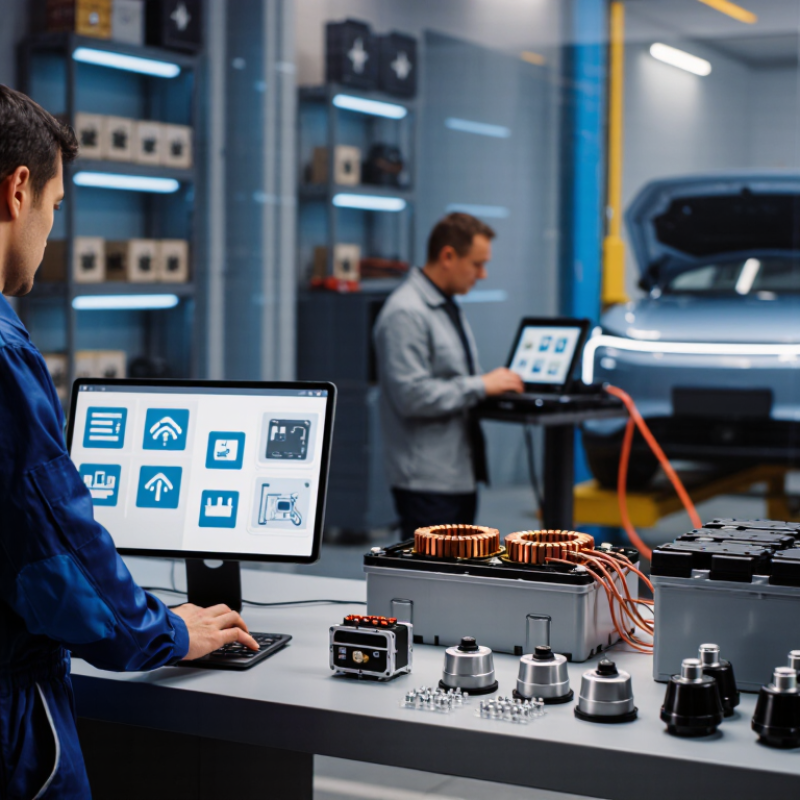
This transformation is already visible in repair bays. A technician may inspect a battery cooling system through a diagnostic tablet while waiting for a digitally matched component. The parts industry is no longer only moving metal and rubber. It is managing information, compatibility, safety, and trust. A careful balance between innovation and human experience will determine whether this progress truly benefits drivers.
Top Reasons Why Auto Tech Is Changing the Parts Industry

Definition and Scope of Automotive Technology in the Parts Industry

Top Reasons Why Auto Tech Is Changing the Parts Industry

Automotive technology in the parts industry covers the tools, data, and processes used to design, identify, produce, and service vehicle components. It is practical. The scope includes electronic catalogs, computer-aided design, diagnostic software, sensor testing, inventory systems, and digital ordering. These systems connect a vehicle’s symptoms with a compatible replacement part. They also record fitment details, material specifications, safety requirements, and installation procedures.

Modern vehicles contain cameras, control modules, battery systems, and networked sensors. Parts professionals must understand how these systems interact, not only how a component looks. A brake sensor, for example, may require software calibration after installation. A replacement battery may need capacity checks, insulation testing, and secure mounting. Technical training and documented procedures help reduce installation errors. Clear data also supports traceability from manufacturing to repair.

Technology improves accuracy, yet it can create new weaknesses. Catalog information may be incomplete, and software updates can change diagnostic results. That gap matters. Experienced technicians still inspect connectors, measure voltage, and compare physical evidence with digital recommendations. No system is flawless. A rushed scan can misidentify the real fault. Reliable parts operations therefore combine verified data, skilled judgment, careful testing, and transparent records. The industry is changing through this balance between automation and hands-on experience.

Digital Systems Reshaping Parts Design, Manufacturing, and Distribution

Auto technology is changing the parts industry through connected digital systems. Designers now build components in three-dimensional software before producing a physical sample. This process reveals weak points, tight clearances, and material waste earlier. A digital twin can also simulate heat, vibration, and repeated stress. Still, simulations depend on accurate measurements. Bad input creates confident mistakes.

In manufacturing, sensors track machine temperature, tool wear, and production speed. Operators can compare live readings with approved tolerances. This supports faster adjustments and more consistent quality. Automated inspection systems measure tiny differences that human eyes may miss. Human judgment still matters. A camera can detect a defect, but an experienced technician must assess its cause.

Distribution is changing too. Integrated inventory systems connect engineering data with warehouse records and delivery schedules. A replacement part can carry a digital history, including its material, inspection results, and production date. This improves traceability and reduces unnecessary storage. However, connected systems can create confusion when departments use outdated files. Clear revision control is essential. I have seen a perfect design fail because the factory received an old drawing. Digital progress needs disciplined communication, not only advanced software.

How Connected Vehicles Are Changing Parts Demand and Service Models

Top Reasons Why Auto Tech Is Changing the Parts Industry

Connected vehicles are reshaping parts demand and service models. A vehicle can report battery voltage, brake wear, or sensor faults before a driver visits a workshop. That data helps technicians prepare the correct part earlier. A delivery box may already contain the required sensor when the vehicle arrives.

In my experience, connected diagnostics reduce guesswork, but they do not remove it. Data can be incomplete, delayed, or misread. Older vehicles may provide almost no useful information. Technicians still need inspection skills, service records, and reliable testing equipment. Demand is also moving toward electronic modules, cameras, wiring, and calibration tools. Mechanical parts remain important. The change is gradual.

Tips: Verify the diagnostic code before ordering. Check vehicle history and part compatibility. Keep common sensors in local inventory. Train staff to explain data clearly. Customers need practical answers, not technical noise. Service teams can also use remote triage to schedule repairs and reserve parts. This creates a smoother visit, but privacy controls and accurate consent remain essential. A rushed data process can damage trust. Better systems should support technicians, not replace their judgment.

The Role of Automation, Data, and AI in Parts Operations

Automation, data, and AI are reshaping parts operations from the warehouse floor upward. A technician can now scan a component, confirm its location, and receive a replenishment alert within seconds. Deloitte’s 2024 Smart Manufacturing and Operations Survey found that 86% of leaders expect smart manufacturing to drive competitiveness within five years. That expectation is reaching distribution centers.

Automation handles repetitive movement, while data improves decisions. Sensors can record bin activity, order frequency, and picking errors. AI then identifies slow-moving stock or predicts demand before a service delay occurs. The 2024 MHI Annual Industry Report shows growing investment in artificial intelligence, robotics, and predictive analytics across supply chains. The numbers are encouraging, but adoption remains uneven. Many facilities still depend on spreadsheets and disconnected systems.

The practical test is simple. Can a worker find the correct part quickly? Can the system explain why it changed a reorder point? McKinsey’s 2024 global survey reported that 65% of organizations regularly use generative AI, nearly twice the previous year’s share. Parts operators should treat that figure carefully. AI is not automatically accurate. Poor catalog data can produce confident mistakes. Human review still matters, especially when a wrong component can stop a repair for hours. Improvements may begin with one clean product file, one reliable scan, and fewer blind guesses.

Industry Challenges and Future Developments in Auto Technology

Top Reasons Why Auto Tech Is Changing the Parts Industry

Industry Challenges and Future Developments in Auto Technology

In a modern repair bay, a fault code rarely points to one simple part. Technicians now inspect software, wiring, sensors, and network signals together. This changes how parts are tested, stocked, and installed. The challenge is training. A skilled mechanical technician may still need advanced diagnostic knowledge. Parts are becoming more intelligent, but identification is not always clear. A sensor may require calibration after installation. That adds time, tools, and responsibility.

Future vehicles will rely more heavily on connected systems, electric powertrains, and automated safety functions. Shared diagnostic standards could reduce confusion across repair facilities. Connected vehicles may also report early signs of component failure. Useful, but not perfect. Poor data can create unnecessary replacements. Cybersecurity must protect vehicle information and repair access. Training programs will need practical software exercises, not only classroom theory. Simulation tools can help technicians practice difficult faults safely.

From field experience, small installation errors can produce large diagnostic problems. A loose connector may imitate a failed control unit. I have seen teams trust digital readings too quickly. That habit deserves more reflection. Reliable repair decisions still require physical inspection and measured testing. The strongest parts suppliers will provide clear technical data, fitting guidance, and traceable quality checks. Smaller workshops may struggle with expensive equipment and frequent updates. That gap matters. Progress should remain practical for the people repairing vehicles every day.

Top Reasons Why Auto Tech Is Changing the Parts Industry

Industry Challenges and Future Developments in Auto Technology

Global electric car sales increased from approximately 3 million units in 2020 to more than 17 million units in 2024. This transition is reshaping the parts industry by reducing demand for some conventional powertrain components while increasing demand for batteries, power electronics, thermal-management systems, sensors, and software-enabled service capabilities.

Source: International Energy Agency, Global EV Outlook 2025. Values are rounded global electric car sales.

FAQS

What does automotive technology include in the parts industry?

It includes digital catalogs, design software, diagnostic tools, sensor testing, inventory systems, and electronic ordering. These tools connect vehicle symptoms with compatible components and installation requirements.

Why must parts professionals understand vehicle systems?

Modern vehicles combine cameras, control modules, batteries, and networked sensors. A component may look correct but still require calibration or software setup. Appearance is not enough.

How can technology reduce installation errors?

Documented procedures record fitment, material details, safety requirements, and installation steps. For example, a replacement battery may need capacity checks, insulation testing, and secure mounting. Small omissions can create large delays.

How do automation and AI improve warehouse operations?

Scanners can confirm a part’s location and trigger replenishment alerts within seconds. Sensors track bin activity, order frequency, and picking mistakes. AI may identify slow-moving stock or predict future demand.

Can AI always identify the correct replacement part?

No. Incomplete catalog data can produce confident but incorrect recommendations. A technician should compare the scan with connectors, voltage readings, and physical evidence. The answer may still be wrong.

What is the practical value of clean parts data?

Accurate data supports fitment checks, traceability, stock decisions, and repair planning. One reliable product file can prevent repeated searches and unnecessary service delays. Clean data matters.

Why is human judgment still necessary?

Software updates can change diagnostic results, and rushed scans may misidentify the real fault. Experienced technicians inspect connectors, measure voltage, and question unusual results. Automation assists; it does not replace careful testing.

What should a facility do if its systems are disconnected?

It can begin with one dependable scan, one clean product file, and clear records. Gradual improvements may work better than replacing every system at once. Progress can be uneven.

Conclusion

Automotive technology now covers the digital tools, connected systems, advanced materials, and intelligent processes used throughout the parts industry. From computer-based design and automated manufacturing to data-driven distribution, these technologies are improving accuracy, reducing production time, and helping suppliers respond more efficiently to market needs. Connected vehicles also generate valuable information about driving conditions, component performance, and maintenance patterns, allowing businesses to predict demand and develop more flexible service models.

The main reason why automotive technology is changing the parts industry is its ability to connect products, operations, and customers through real-time data. Automation and artificial intelligence can support inventory planning, quality control, logistics, and predictive maintenance, while digital platforms make communication across the supply chain faster and more transparent. However, the industry must still address cybersecurity, data management, workforce training, system integration, and the cost of modernization. Future progress will depend on responsible innovation, stronger digital infrastructure, and adaptable business strategies.

Aria

Aria

Aria is a dedicated marketing professional with a deep passion for innovative strategies and a keen understanding of our company's product offerings. With a wealth of experience in the industry, Aria excels at crafting engaging content that highlights the unique features and benefits of our......