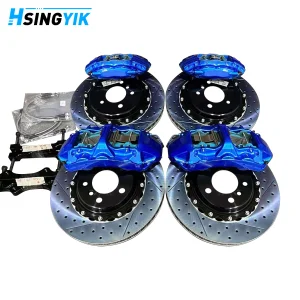
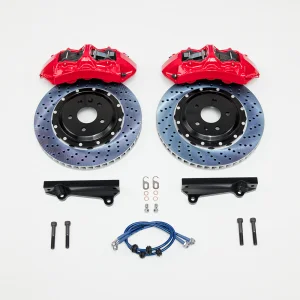
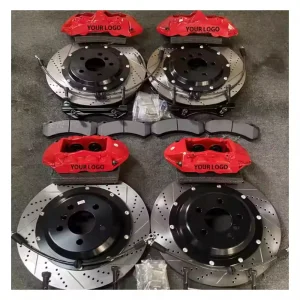
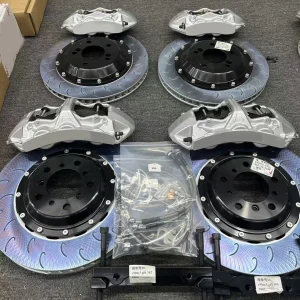
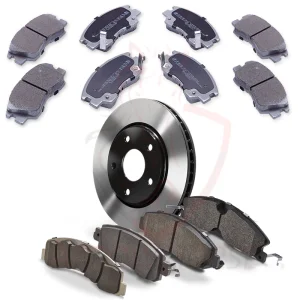
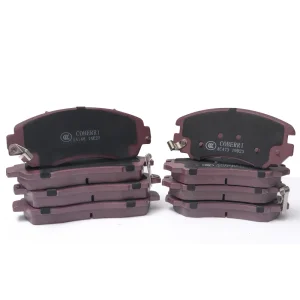
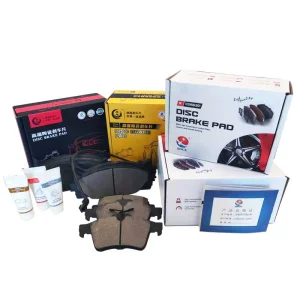
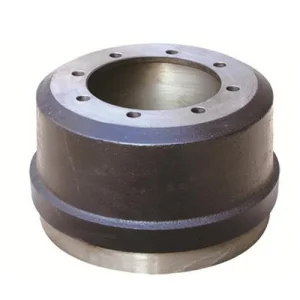
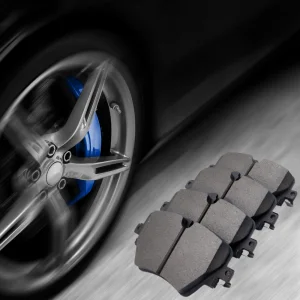
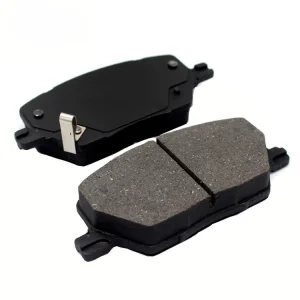
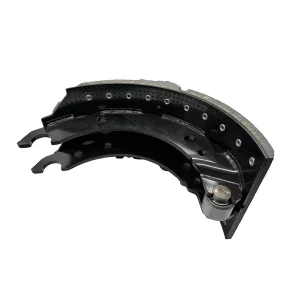
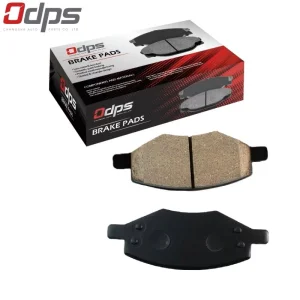
Discover our primary lineup of big brake kits, multi-piston calipers, and precision-engineered brake pads designed for premium German, Japanese, and American vehicle makes.
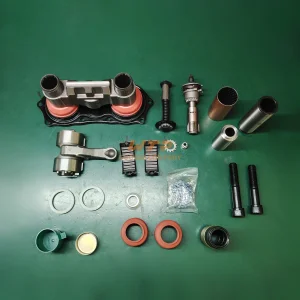
Understanding critical thermal transfer, material degradation under load, and the regulatory challenges global distributors face today.
The global automotive braking system sector is undergoing its most significant paradigm shift in fifty years. Modern braking architectures must achieve much more than just slowing down vehicles; they must manage severe kinetic energy conversion into thermal loads exceeding 750°C without structural failure, pedal softening, or brake fade. At the same time, international regulatory bodies are continuously tightening limits on particulate emissions from brake wear, as well as restricting copper and heavy metals in friction formulations.
To navigate this landscape, distributors, custom builders, and logistics planners need a manufacturer capable of combining materials science with lean manufacturing. As a premier brake system parts exporter, Guangzhou Yihe Auto Co., Ltd. supplies high-precision, premium stopping power. We optimize products to achieve stable frictional coefficients across extreme temperature ranges, minimal thermal distortion, and long service life. Whether supplying 6-pot racing calipers for premium sedans or high-durability friction materials for long-haul commercial trailers, our systems provide reliable performance in demanding environments.
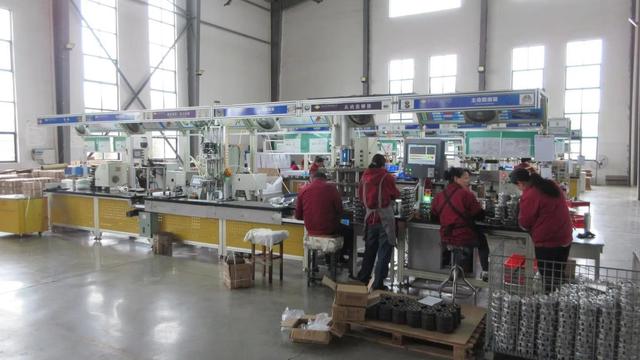
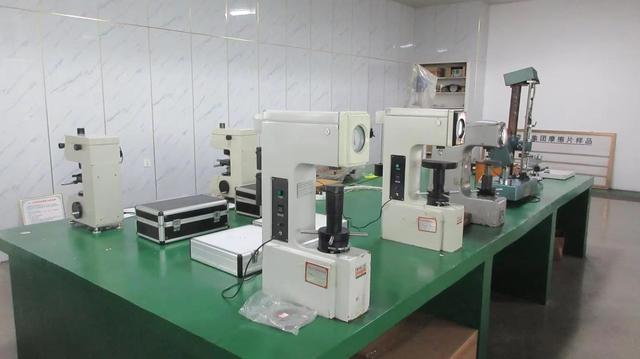
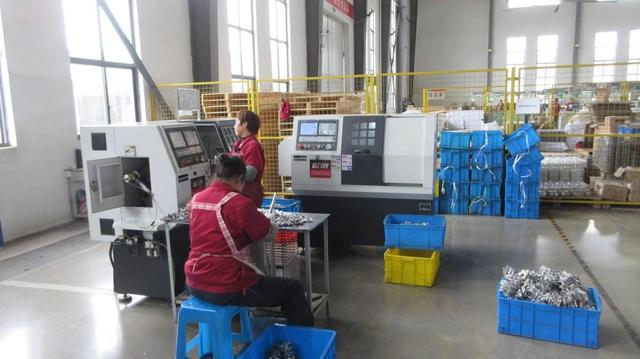
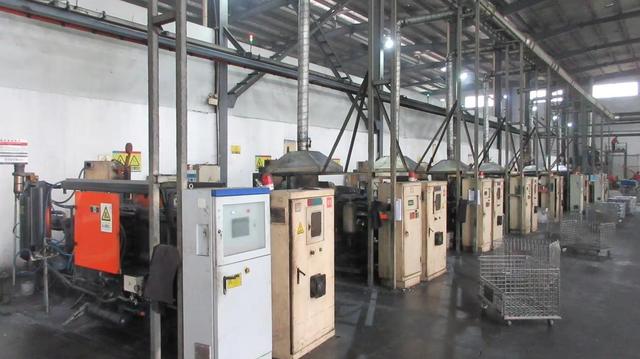
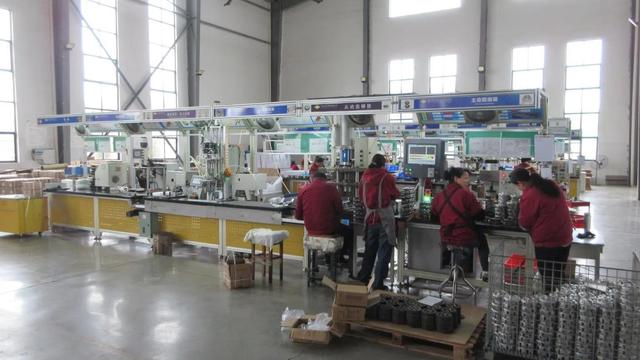
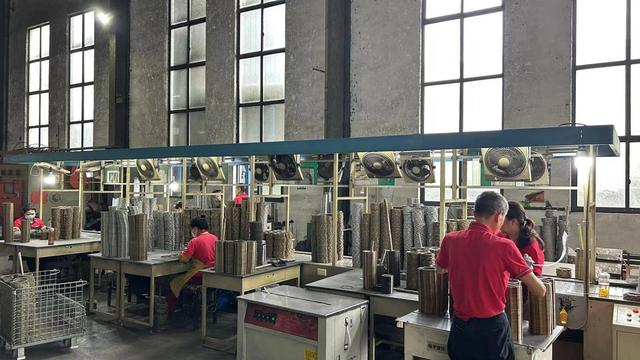
Precision manufacturing, clean-room assembly, and digital inspection systems for global Tier-1 automotive distribution.
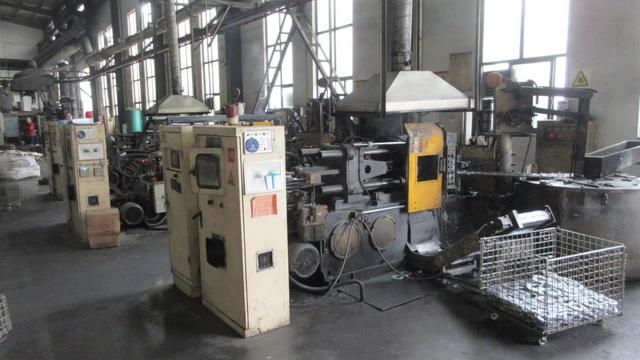
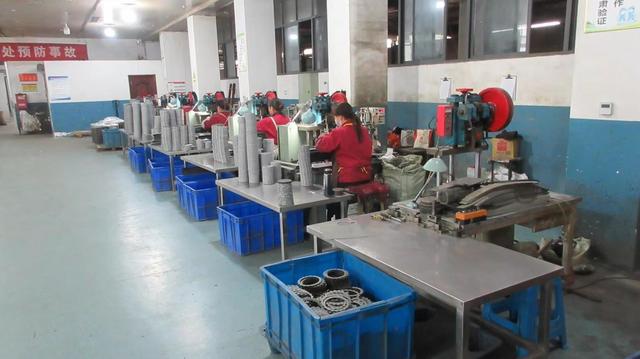
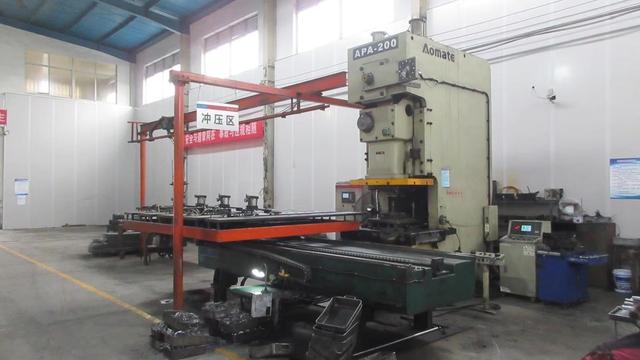
Guangzhou Yihe Auto Co., Ltd. is a specialized Auto Parts Manufacturer offering Engine Components, Suspension Parts, and complete Automotive Systems. We deliver OE-spec components and custom manufacturing solutions to global vehicle manufacturers, distributors, wholesalers, and aftermarket suppliers. Based in the automotive manufacturing cluster of Guangzhou, China, our modern factory utilizes state-of-the-art multi-axis CNC machining, automated casting, and comprehensive quality control lines.
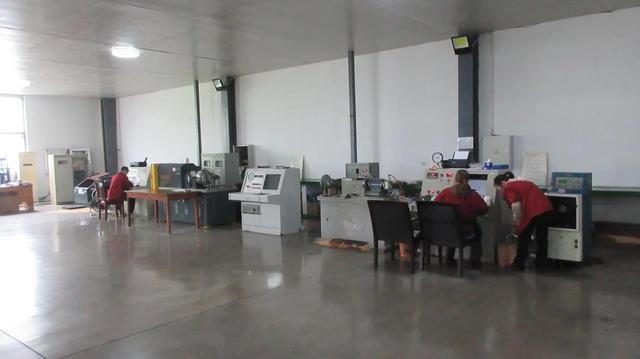
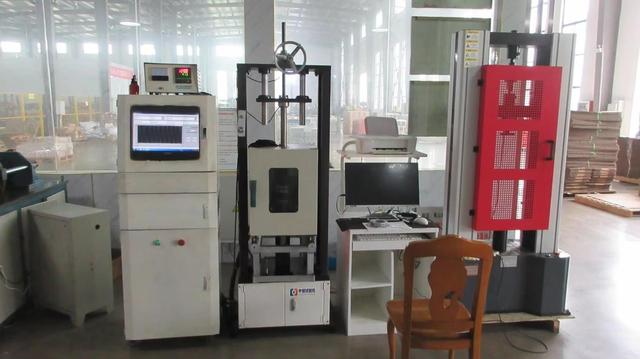
We manage quality across every phase, starting from chemical spectrographic analysis of raw cast alloys to finished product testing on Link Dynamometers. Our manufacturing capabilities support both standard replacement parts and custom OEM/ODM designs. We partner with procurement agencies, racing teams, and fleet operations to provide tailored solutions from initial digital modeling to final global delivery.
Detailed analysis comparing Ceramic, Semi-Metallic, and NAO formulations for varying operational requirements.
A brake system's performance depends heavily on the chemical composition of its friction interface. Different vehicle weights, speeds, and environments require specific mechanical properties. The table below outlines our engineering benchmarks across three primary friction material technologies:
| Parameter | Ceramic Formula (e.g., Feidun Ceramic) | Semi-Metallic Formula | NAO (Non-Asbestos Organic) |
|---|---|---|---|
| Frictional Coefficient (μ) | 0.38 - 0.44 (highly stable) | 0.40 - 0.48 (very aggressive) | 0.35 - 0.40 (linear response) |
| Thermal Ceiling (°C) | 650°C (1200°F) | 850°C (1560°F) | 400°C (750°F) |
| NVH Rating (Noise/Vibration) | Exceptional (Noiseless) | Moderate (Requires shims) | Good (Soft pedal feel) |
| Rotor Longevity & Wear | Low wear, minimal dark dust | Higher wear, metallic dust | Minimal wear, soft dust |
| Application Recommendation | Premium Passenger, Sport Tuning | Heavy Commercial, Towing, Track | Standard Commuter Vehicles |
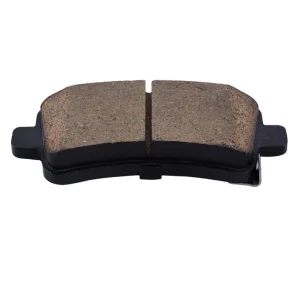
To achieve these benchmarks, our formulations use synthetic graphite, Kevlar aramid fibers, and premium elastomers. These materials are hot-pressed under 30 tons of pressure and scorched at high temperatures to eliminate curing gas emissions. This process minimizes initial break-in time for end-users.
Meeting ECE R90, FMVSS 135, and international trade compliance to ensure smooth importing and customs clearance.
Our passenger brake components comply with ECE R90 directives, which require testing within 15% of original equipment specifications. For North American markets, our parts meet FMVSS 105 & 135 stopping distance criteria.
To resist road salts and environmental moisture, all iron components undergo zinc phosphate electroplating, electrophoretic deposition, or premium Geomet coatings to prevent rust.
We work with global freight networks to offer flexible shipping terms (FOB, CIF, DDP). Every shipment includes barcode tracing, automated bill-of-lading documents, and custom clearance paperwork.
How our brake components are configured to meet different driving habits, climates, and vehicle payloads.
Drivers of performance models like the BMW M-Power, Audi RS, and Golf GTI require firm pedal feel and reliable high-speed deceleration. Our 6-pot aluminum calipers and high-carbon slotted rotors dissipate heat quickly, reducing thermal stress under performance conditions.
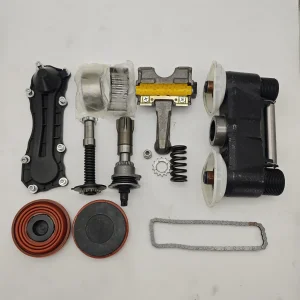
Logistics operators using Scania trucks and BPW trailers require parts that withstand heavy payloads and downhill grades. Our SCE 1906779 caliper repair kits and heavy-duty brake shoes are designed to extend maintenance intervals and reduce downtime for commercial fleets.
City driving involves frequent stop-and-go cycles that generate continuous low-temperature friction. For vehicles like Nissan, Toyota, and Changan models, we supply NAO and ceramic compounds that operate quietly, emit minimal dust, and maintain safety over long lifespans.
Developing technologies to support electrification, intelligent wear sensing, and sustainable manufacturing processes.
Transitioning our complete catalog to zero-copper formulations (complying with Washington/California SB 3865 regulations) to protect marine ecosystems from heavy metal runoff.
Optimizing friction coefficient stability and compliance for electro-hydraulic actuators in electric and hybrid drivetrains, supporting seamless regenerative braking transitions.
Integrating wear-sensor electronics directly into the back-plates of commercial and passenger brake pads to feed real-time lifespan data directly to fleet management platforms.
Direct answers from our engineering division regarding materials, specifications, and manufacturing capability.
Our ceramic formulations, such as the Feidun series, incorporate chamfered edges and radial center slots to shift vibrational frequencies outside the human hearing range. Additionally, we hot-vulcanize multi-layer steel elastomer shims onto the back-plates, absorbing micro-vibrations before they transfer to the caliper assembly.
Yes. All dimensions, piston diameters, seal grooves, and hydraulic ports are reverse-engineered from OE samples using 3D laser scanners. For instance, our Scania and BPW-type caliper repair kits match original equipment specifications to maintain correct brake force distribution across mixed fleets.
IATF 16949:2016 requires comprehensive process controls, including Failure Mode and Effects Analysis (FMEA), Statistical Process Control (SPC) for machining, and strict traceability from raw metal ingots to delivered products. This framework helps prevent defects and reduces variation throughout the supply chain.
Yes, we offer complete OEM/ODM support. Our R&D team can adjust friction formulas for specific regional needs, such as high-temperature resistance in desert climates or low-temperature performance in cold regions. We also offer custom branding options on back-plates, wear indicators, and packaging.
We address brake fade by utilizing high-carbon alloy structures in our rotors to improve thermal capacity. Frictional surfaces are scorched to burn off volatile binding resins, and our pad compounds are formulated to maintain a stable friction coefficient (0.38 - 0.44) at temperatures up to 650°C.
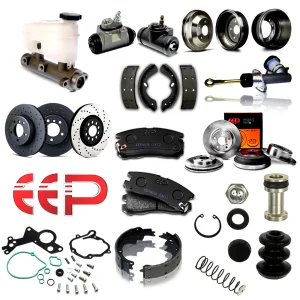
Review our commercial catalog, which includes heavy-duty truck caliper repair kits, trailer shoe assemblies, and ceramic NAO friction pads.
 Yihe Auto