Engineered for durability, absolute fuel economy, and emission compliance under stringent global automotive standards
Modern combustion engines and progressive hybrid powertrains operate under some of the most unforgiving environments in industrial history. As regulatory frameworks like Euro VI, Euro VII, EPA Tier 4, and China VI mandate unprecedented reductions in particulate matter (PM) and Nitrogen Oxides (NOx), the demand for high-pressure, ultra-precise fuel delivery components has grown exponentially. For international procurement executives, sourcing parts from an accredited **fuel system parts factory & exporter** is no longer just about cost reduction—it is a critical exercise in supply chain resilience, engineering validation, and risk mitigation.
At Guangzhou Yihe Auto Co., Ltd., we analyze these challenges through the lens of structural integrity and fluid dynamics. In passenger vehicles, components must withstand millions of actuation cycles without micro-frictional wear or fuel leakage. In heavy-duty industrial machinery, such as construction bulldozers and agricultural tractors, systems are subjected to continuous vibration, high thermal fluctuations, and abrasive fuel qualities. These conditions require advanced metallurgy, precise stamping, and state-of-the-art polymer engineering to ensure long-term, zero-fault field performance.
Understanding user intent and global purchasing trends reveals that Tier-1 distributors and OEM developers require comprehensive documentation, material traceablity, and custom adaptation capacity (OEM/ODM). As an established automotive systems manufacturer based in Guangzhou, China, we operate modern facility frameworks tailored to satisfy these commercial demands, delivering both standardized replacement parts and highly customized components.
Translating advanced material science into reliable, high-performance automotive systems
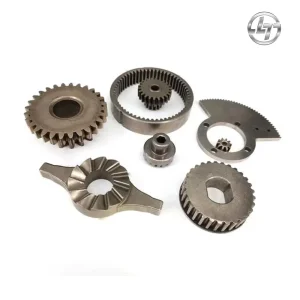
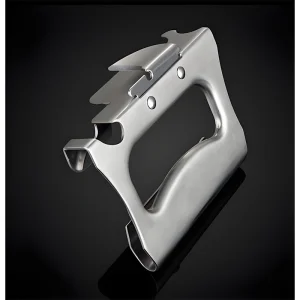
Utilizing high-density sintering of stainless steel powders to achieve near-net shape components with excellent tensile strength, wear resistance, and resistance to corrosive biofuels (E85/Biodiesel).
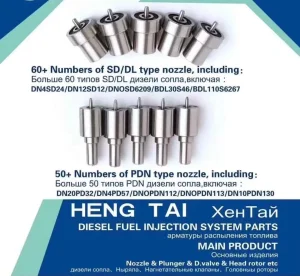
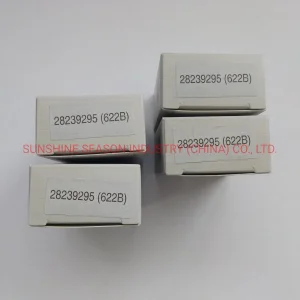
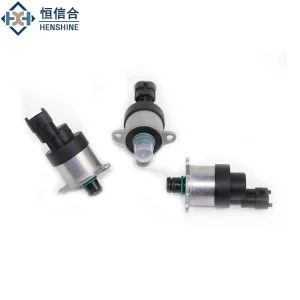
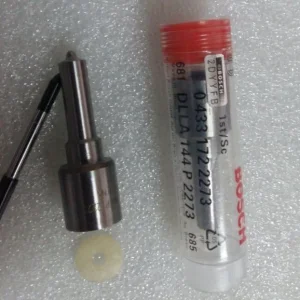
Precision manufacturing of diesel common rail control valves (including 28239295 and 28278897 series). Our sub-micron clearances guarantee responsive, high-pressure injection cycles up to 2500 bar.
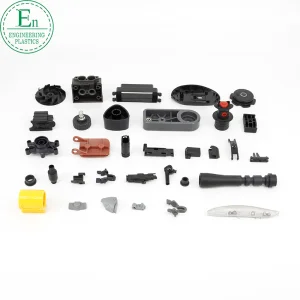
Extrusion and molding of PA12 nylon fuel pipes and PBT injection-molded components. Engineered to provide low fuel permeation, chemical stability, and heat deflection safety under the hood.
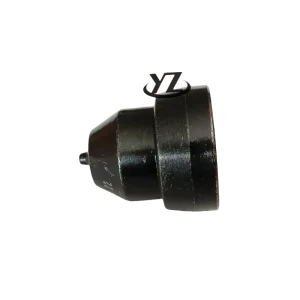
To grasp the engineering depth of our product portfolio, it is necessary to examine the materials science behind our components. For instance, the Custom Sintering Precision Stainless Steel Powder Metallurgy Part represents a major technological leap over traditional subtractive machining. By compacting metallic powders under immense pressure and sintering them in a controlled atmosphere just below their melting point, we produce parts with custom porosities and highly complex geometries. This technique is ideal for fuel system components that require both corrosion resistance and complex flow pathways.
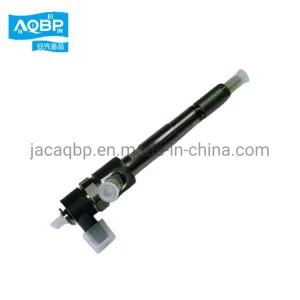
In common rail diesel systems, the control valve is the heart of the injector assembly. Valves like the 28239295 / 28278897 series require tolerances measured in nanometers. A deviation of even 0.5 microns can lead to injection timing errors, pressure drops, or excessive emissions. Guangzhou Yihe Auto Co., Ltd. uses high-grade, wear-resistant tool steels and advanced heat treatment processes to ensure these valves resist cavitation and high-frequency impact wear over their entire service life.
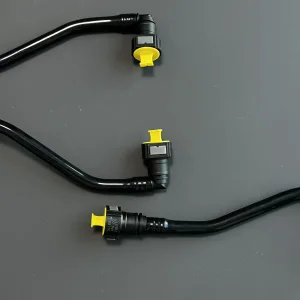
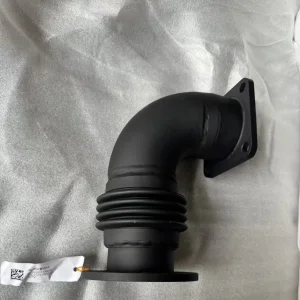
For fuel transport, we manufacture PA12 Nylon High-Pressure Fuel Lines. Polyamide 12 (PA12) is the preferred choice for modern automotive engineering due to its low water absorption, dimensional stability, and resistance to zinc chloride (commonly used in road salts). These assemblies are co-extruded with barrier layers that prevent hydrocarbon emissions from escaping into the environment, complying with strict CARB (California Air Resources Board) regulations.
Navigating compliance, supply chain logistics, and heavy-duty field applications
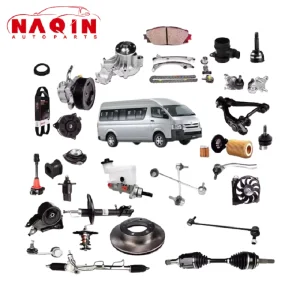
Industrial procurement managers face a complex environment characterized by fluctuating raw material prices, shipping uncertainties, and strict compliance demands. When sourcing components for light commercial vehicles like the *Toyota Hiace*, or specialized off-highway machinery like the *SEM822D Bulldozer*, procurement teams require a manufacturing partner capable of handling diverse specifications.
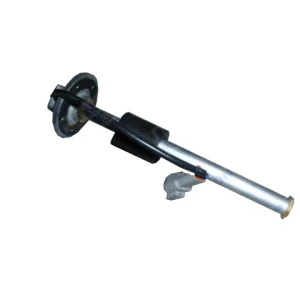
Our factory solutions bridge the gap between heavy-duty industrial needs and high-volume automotive production. For example, hydraulic fuel level sensors utilized in *Liugong Excavators* must withstand constant vibration and contact with sulfur-rich industrial diesel. Our sensors are built with hermetically sealed electronics and corrosion-proof floats to prevent fluid ingress and sensor failure.
On the automotive side, our aftermarket supply chain support ensures that components for *Ford, Mercedes-Benz, and Volkswagen* are built to exact OEM dimensions. This guarantees plug-and-play installation for global repair networks, minimizing vehicle downtime and ensuring end-customer satisfaction.
As the global automotive industry moves toward electrification and alternative fuels, the role of the traditional fuel system is evolving. The future of combustion engines lies in hybrid architectures, synthetic E-fuels, and hydrogen internal combustion engines (H2 ICE). This transition presents new engineering challenges.
In hybrid electric vehicles (HEVs), the combustion engine operates intermittently. This requires fuel delivery systems to maintain pressure over extended periods while managing fuel vapor buildup within sealed tanks. Our engineering department is currently developing specialized pressure control valves and low-permeation fuel lines specifically designed for these hybrid duty cycles.
Furthermore, synthetic fuels and hydrogen require new material selections. Traditional rubbers and polymers degrade quickly when exposed to high concentrations of methanol or dry hydrogen gas. Guangzhou Yihe Auto Co., Ltd. is actively testing next-generation fluoroelastomers, advanced sintering alloys, and composite multi-layer nylon pipes to ensure our global clients have access to reliable components for the next generation of powertrains.
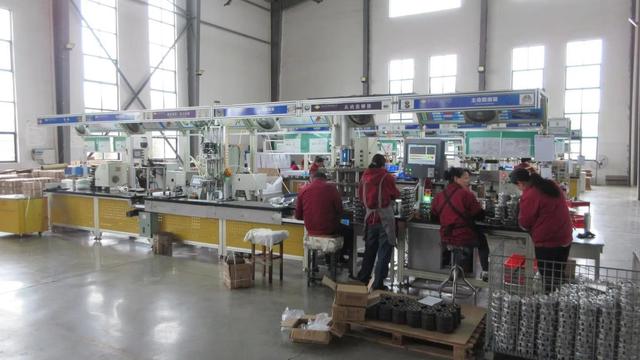
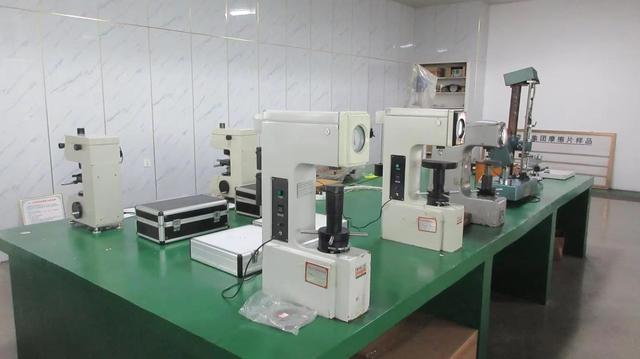
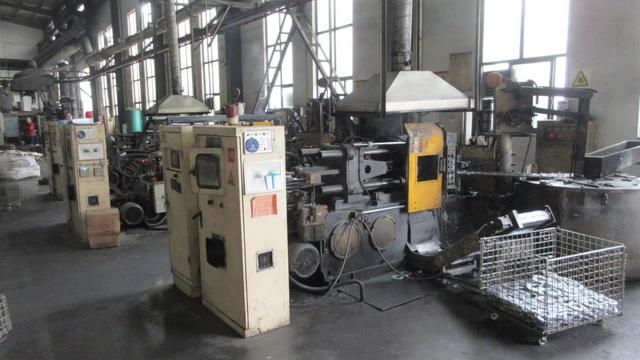
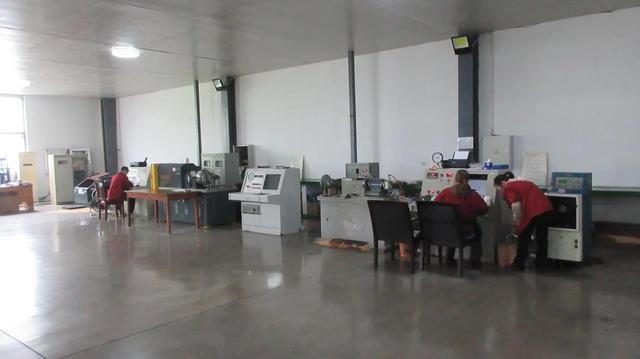
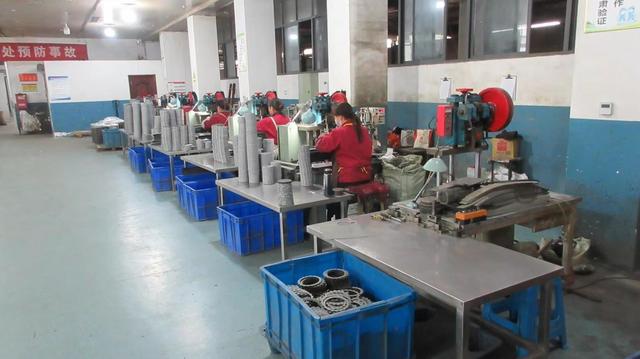
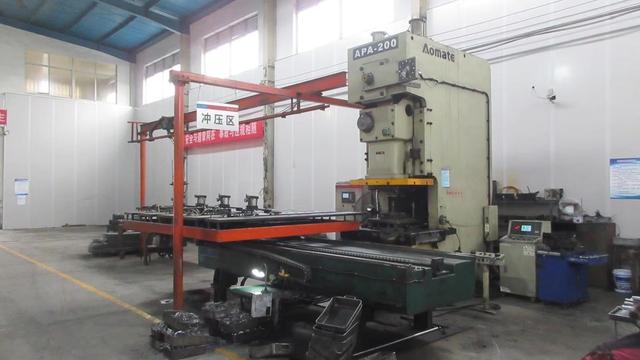
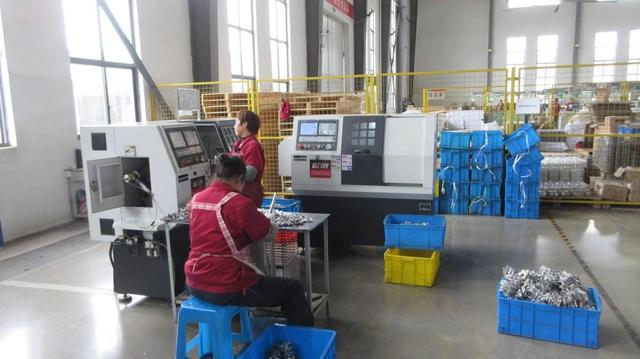
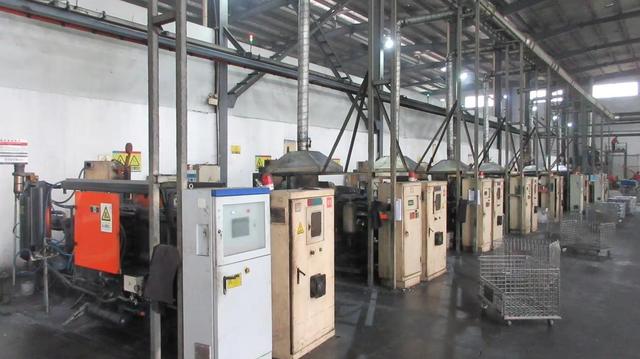
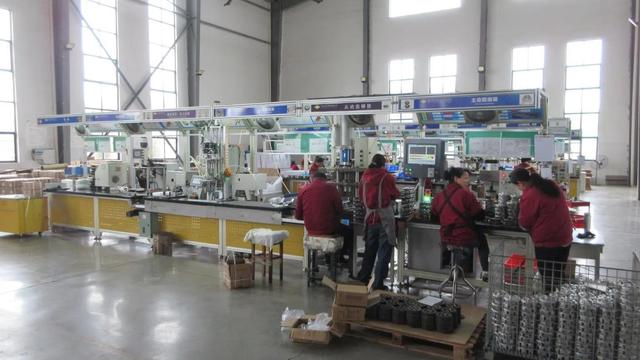
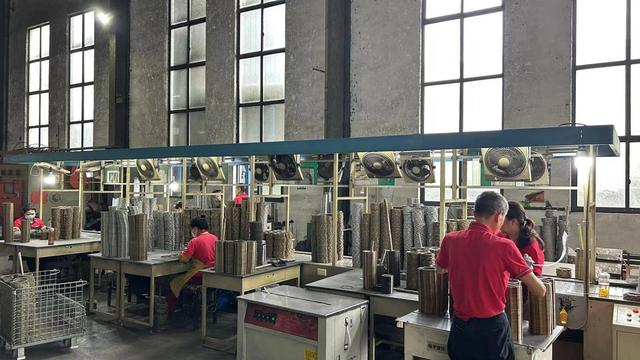
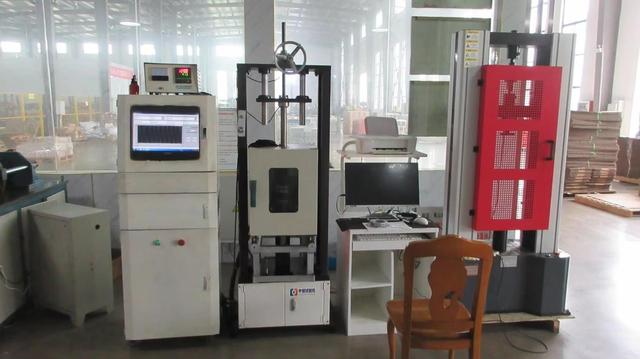
Guangzhou Yihe Auto Co., Ltd. — Inside our production, testing, and quality control departments
Located in Guangzhou, China, our manufacturing facilities feature automated production lines, precision machining centers, and comprehensive quality assurance systems. From the initial inspection of raw materials to the final validation of finished components, we apply strict quality control procedures at every stage of production. By utilizing advanced manufacturing technologies and high-performance materials, we ensure our components meet the demanding durability and safety requirements of the international automotive market.
Addressing engineering specifications, customization options, and procurement logistics
Powder metallurgy enables near-net-shape production, which significantly reduces raw material waste—a critical factor when working with expensive alloys like stainless steel. It also allows for the design of complex internal geometries and controlled micro-porosities that are difficult or impossible to machine. This process ensures consistent part-to-part density and excellent wear resistance, making it ideal for high-pressure fuel components.
Our common rail control valves, including the 28239295 and 28278897 series, are manufactured using high-precision grinding machines and automated testing equipment. We monitor critical dimensions down to the sub-micron level and perform flow-bench testing under high-pressure conditions to verify the response time and spray patterns of every batch before shipment.
Yes. Our high-pressure fuel line assemblies are made from PA12 nylon and incorporate specialized inner barrier layers. These layers are engineered to resist chemical degradation from biofuels, ethanol mixtures, and low-sulfur diesel, maintaining structural integrity and preventing fuel vapor permeation over long-term operation.
Our facilities comply with the IATF 16949 quality management standard, which is the global benchmark for automotive component manufacturing. We also implement strict environmental controls in compliance with ISO 14001, ensuring that our products and processes meet international regulatory requirements, including REACH and RoHS.
Yes. We work closely with OEM customers to design, prototype, and manufacture fuel and engine components tailored to specific application requirements. Whether you need custom PBT injection-molded housings, specialized brackets, or custom-bent fuel lines, our engineering team can support your product development cycle from prototype to mass production.
For standard components, we maintain an active inventory to facilitate rapid dispatch. For custom OEM/ODM orders, lead times typically range from 30 to 45 days, depending on tooling requirements and order volume. As an established exporter, we manage shipping, customs clearance, and logistics documentation for destinations in North America, Europe, Southeast Asia, and the Middle East.
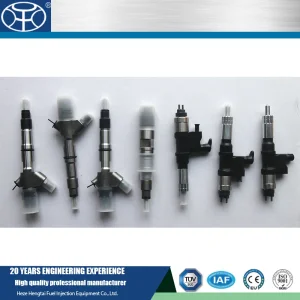
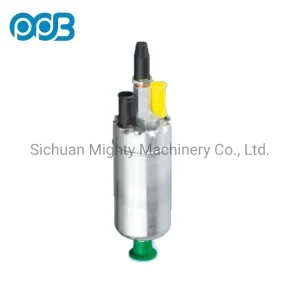
OEM-grade injection systems, structural stampings, and heavy equipment level sensors
 Yihe Auto