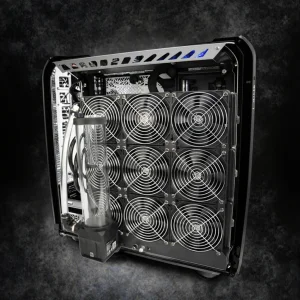
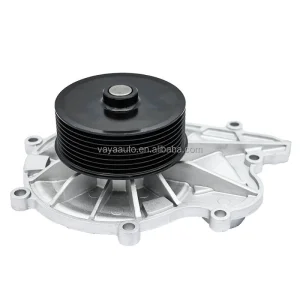
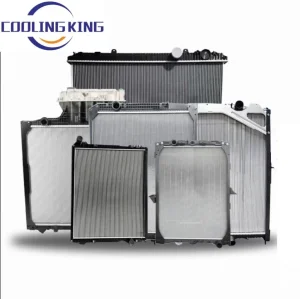
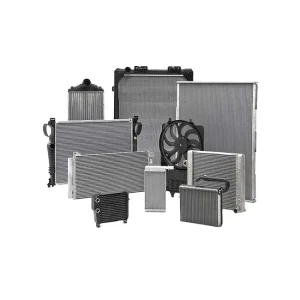
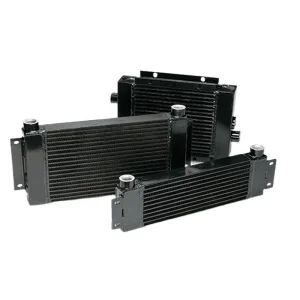
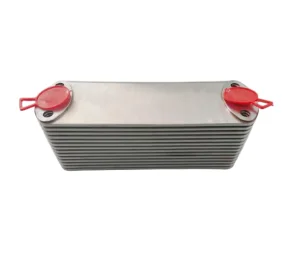
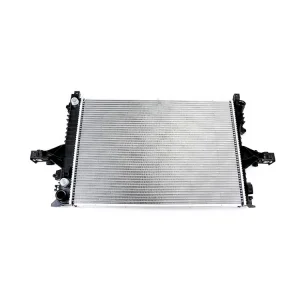
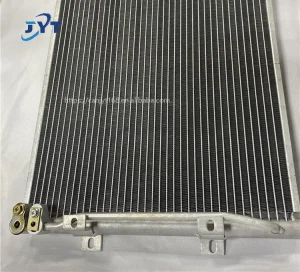
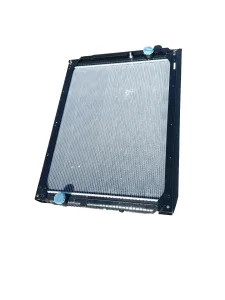
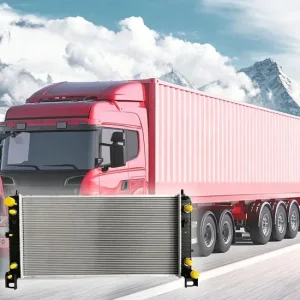
In the modern era of automotive engineering, the cooling system is no longer just a radiator and a water pump. It is the life-support system for high-performance internal combustion engines and the critical thermal regulator for the rapidly expanding electric vehicle (EV) sector. As global demand for high-efficiency components surges, factories like Guangzhou Yihe Auto Co., Ltd. are at the forefront, bridging the gap between raw material innovation and finished, high-performance aftermarket parts.
Our commitment to E-E-A-T (Experience, Expertise, Authoritativeness, and Trustworthiness) dictates that every component—from aluminum radiators for passenger cars to heavy-duty oil coolers for construction machinery—undergoes rigorous thermal simulation and stress testing. This depth of engineering capability ensures that global distributors receive products that do not just fit, but enhance the operational longevity of the end-user’s vehicle.
The global automotive aftermarket relies heavily on the resilience of the Chinese manufacturing ecosystem. Located in the industrial heart of Guangzhou, our production facilities utilize an integrated supply chain model that minimizes latency and optimizes throughput. By consolidating raw material sourcing, precision CNC machining, and automated assembly, we achieve economies of scale that provide our clients with a competitive edge.
Looking ahead, the cooling industry is pivoting toward active thermal management. Future vehicle architectures require cooling systems that are lighter, more compact, and capable of handling higher pressure differentials. We are currently investing in:
Whether it is a CAT E312D excavator in a dusty construction site in Southeast Asia or a BMW 5-Series cruising on an Autobahn in Germany, our cooling components are engineered to perform under specific regional stressors. We provide localized support by tailoring product specifications to local environmental conditions—such as anti-corrosion treatments for coastal regions or high-thermal-capacity builds for desert operation.
Trust is the currency of international trade. Our QC protocols involve multi-stage verification: material composition analysis, leakage pressure testing, and vibrational fatigue testing. Each part leaving our factory is built to meet or exceed OEM specifications, ensuring a seamless aftermarket replacement experience that protects the reputation of our distribution partners.
A: We utilize advanced automated manufacturing lines and strict ISO-standard quality control procedures, ensuring every unit is tested for pressure, thermal efficiency, and dimensional accuracy before shipment.
A: Yes. Our R&D team specializes in custom-engineered automotive solutions. We work from your blueprints or samples to develop prototypes and mass-produce components that fit your specific market requirements.
A: By leveraging our streamlined production facility in Guangzhou, we maintain high inventory levels for standard parts and offer flexible, rapid production cycles for large-scale OEM/ODM orders.
 Yihe Auto