Explore our high-performance electrical components engineered to withstand critical thermal, dynamic, and environmental stresses across automotive platforms.
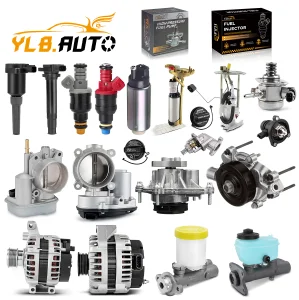
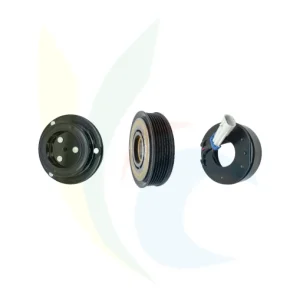
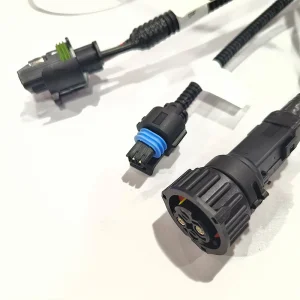
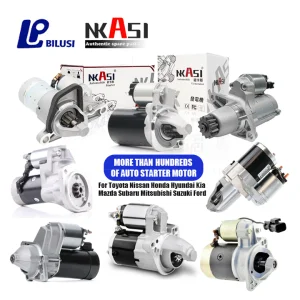

The global automotive market is undergoing its most significant evolution since the invention of the assembly line. The transition from mechanical internal combustion engine (ICE) layouts to software-defined, highly electrified propulsion systems demands a radical reconceptualization of electrical auto parts. Modern vehicles are no longer merely mechanical machines with localized electrical subsystems; they are mobile, high-voltage computing grids requiring millisecond-level communications latency and bulletproof component integrity.
As vehicle manufacturers push towards higher energy efficiency, advanced safety standards, and autonomous features, components such as alternators, starter motors, high-precision position sensors, and customized wiring harnesses must undergo rigorous upgrades. Supply chain security and technical compliance have become the twin pillars of procurement. Tier-1 automotive enterprises, global distributors, and heavy-duty truck operators require reliable access to manufacturers who possess the engineering capabilities to design and manufacture components that operate flawlessly under harsh thermal, physical, and electromagnetic parameters.
"The integration of higher electrical loads, starting from auxiliary systems up to high-voltage EV battery distribution networks, shifts the procurement focus from lowest-cost transactional parts to high-reliability, long-lifecycle component systems."
Modern camshaft and crankshaft position sensors now utilize advanced Hall Effect and anisotropic magnetoresistive (AMR) technologies to provide ultra-accurate engine timing telemetry, supporting real-time emission control and variable valve timing configurations.
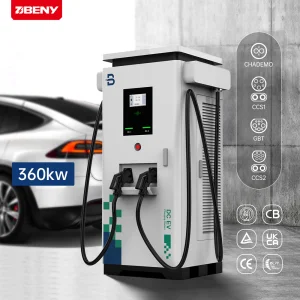
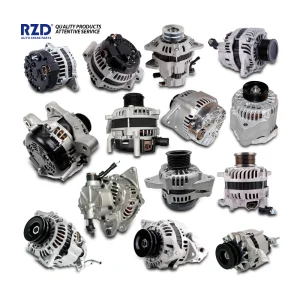
Whether dealing with high-capacity alternators generating over 150 Amps or liquid-cooled DC fast chargers operating at 360 kW, active thermal dissipation and premium grade insulation are non-negotiable requirements for mitigating long-term component degradation.
Combining raw economies of scale with high-end automated assembly lines, domestic factories deliver unprecedented quality-to-cost ratios.
Guangzhou Yihe Auto Co., Ltd. serves as a prime example of Chinese manufacturing prowess, integrating advanced design, automated machining, and rigorous quality inspection pipelines under one roof. Situated in the industrial hub of Guangzhou, the company specializes in engine components, chassis components, suspension assemblies, and complete automotive electrical systems. By employing state-of-the-art multi-axis CNC machining centers, high-speed automated SMT lines, and cleanroom assembly cells, Yihe Auto consistently maintains manufacturing tolerances down to the micron level.
Rather than relying on generic aftermarket solutions, Yihe Auto emphasizes customized OEM and ODM capabilities. This enables global automotive buyers to co-develop tailored wire harnesses, bespoke solenoid switches, and customized structural alternator brackets designed to fit unique engine bays and structural load requirements. Furthermore, by employing a vertically integrated raw material sourcing network, the factory buffers clients against global price volatility, ensuring reliable, long-term supply agreements.
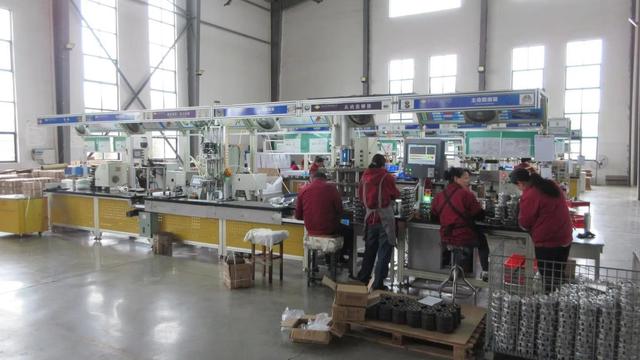
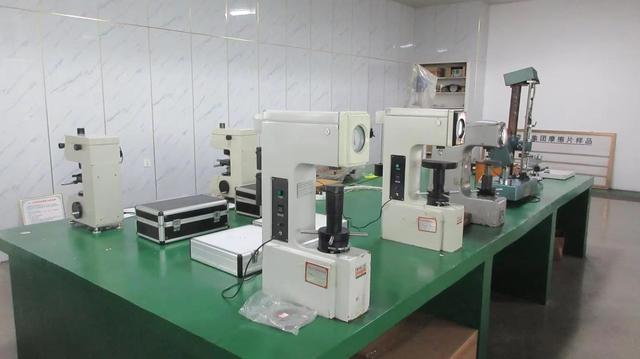
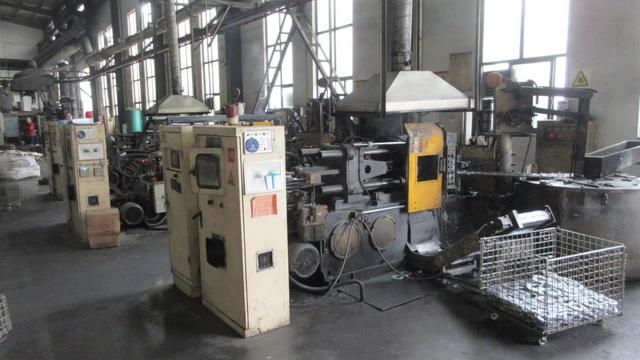

Guangzhou Yihe Auto Co., Ltd. production line facilities, featuring automated metal fabrication, precision testing devices, and warehouse logistics.
Understanding the internal metallurgy, electronics, and design considerations that separate premium parts from standard components.
High-current alternators rely on premium, multi-layer copper windings with high insulation heat ratings (Class H or higher) and solid-state rectifiers to convert engine torque to stable DC power, even under severe under-hood temperatures.
Automobile starters demand high cranking torque. High-purity sintered copper-graphite brushes, reinforced magnetic assemblies, and heavy-duty contact solenoids ensure thousands of reliable cold-starts under freezing conditions.
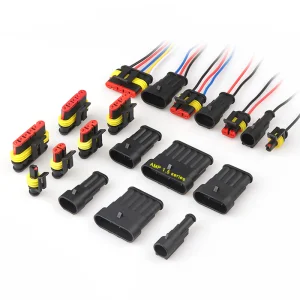
Modern wiring harnesses must support high-speed multiplex signals (CAN-bus, LIN, FlexRay) and withstand engine heat, moisture, and road vibrations. High-grade PA66 connectors with brass terminals and double-locking seals are standard.
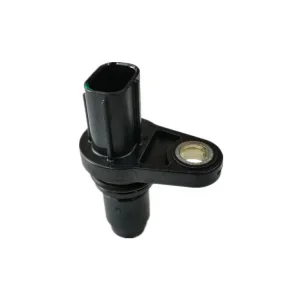
Camshaft and crankshaft position sensors translate engine speed and timing to the ECU. Using integrated circuit architectures, these sensors resist electromagnetic interference (EMI) and provide clean square-wave signals.
From aluminum sensor brackets to stainless steel terminal housings, high-precision milling and turning services provide the structural framing that shields delicate electronic circuits from external forces.
As electric vehicles shift to 800V architectures, liquid-cooled DC fast chargers (like the BENY 360kW) utilize internal glycol channels to dissipate heat, allowing continuous high-current flow without risk of thermal runaway.
An electrical auto part is only as good as its compatibility with the specific operational constraints of its vehicle platform. Automotive systems face radically different stress profiles depending on whether they are integrated into high-mileage passenger cars, long-haul heavy-duty commercial trucks, or next-generation electric vehicles.
For instance, passenger cars from brands like Toyota, Honda, Nissan, Mazda, Hyundai, Kia, Subaru, and Lexus operate under strict efficiency, space, and noise, vibration, and harshness (NVH) requirements. Alternators and starter motors for these applications must be compact, lightweight, and engineered for high power-to-volume ratios. Conversely, heavy-duty applications, such as commercial trucks using HOWO chassis or industrial diesel engines like ISUZU and Cummins, require robust 24V starter systems, heavy-duty solenoid switches, and thick-gauge wiring harnesses capable of resisting salt, mud, road grime, and prolonged mechanical vibration.
By designing components with application-specific shielding, custom-molded connectors, and appropriate plating materials (such as tin, silver, or gold contacts), manufacturers ensure that electrical continuity is maintained throughout the vehicle's design lifecycle.
"Engineering localization means understanding the difference between the low-vibration, high-heat profile of a compact sedan engine bay and the high-vibration, high-moisture chassis environment of an intercity commercial truck."
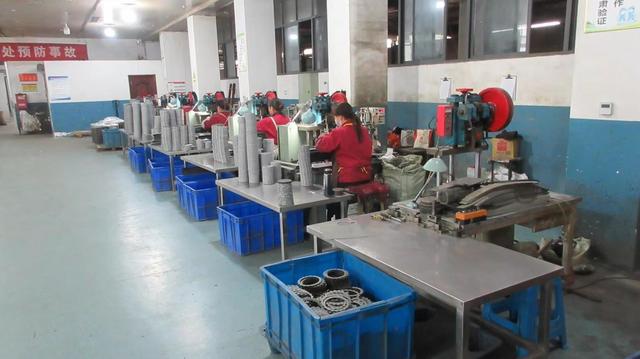
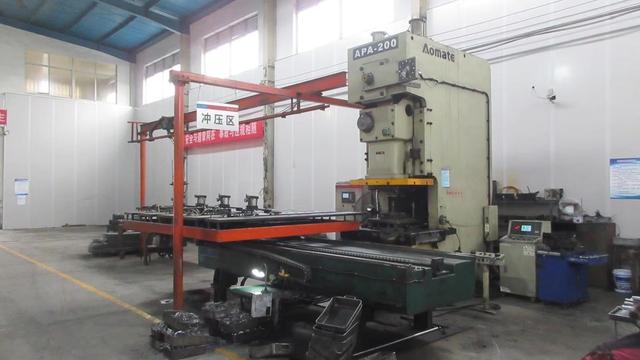
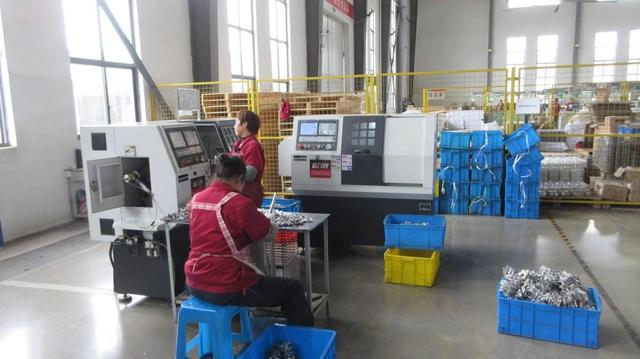
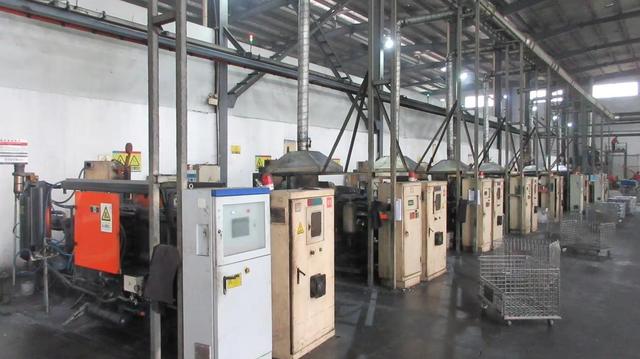
Inside the Quality Assurance departments: precision coordinate measuring machines (CMM) and load-simulation systems at the factory.
Stay ahead of the curve by understanding the technological and logistical trends driving the next decade of auto electrical manufacturing.
The transition to electric drivetrains demands high-voltage wire harnesses, busbars, and distribution blocks that can safely handle up to 800V DC without arc faulting or dielectric breakdown, requiring advanced polyimide film insulation.
Camshaft and crankshaft position sensors are evolving to include onboard signal processing. These smart sensors filter out dynamic engine vibration noise before sending cleaner digital signals directly to the Powertrain Control Module (PCM).
Global automotive buyers now demand low-carbon manufacturing. This requires factory-level energy auditing, recyclability of raw copper and aluminum scrap, and optimization of supply chain logistics to reduce scope-3 carbon emissions.
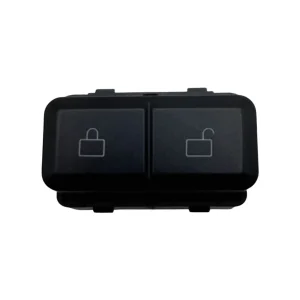
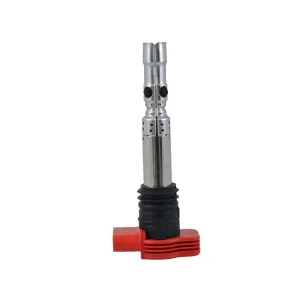
Complete your supply chain with our range of precision-turned structural items, switches, sensors, and ignition accessories.
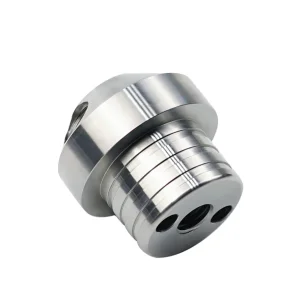
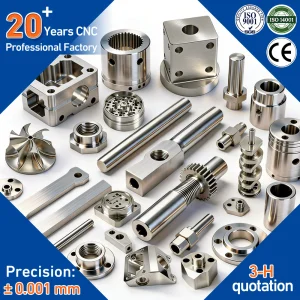
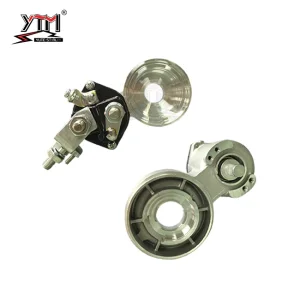
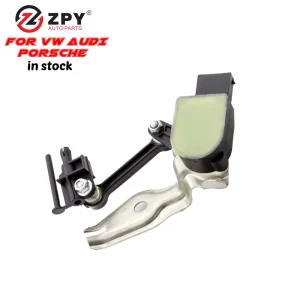
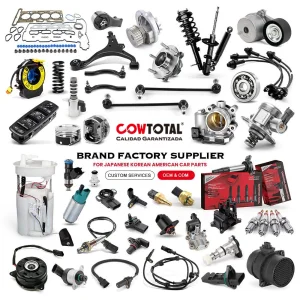
To maintain zero-defect standards for global supply chains, factories must implement comprehensive inspection protocols at each stage of production. Guangzhou Yihe Auto Co., Ltd. uses a multi-tier quality assurance system starting with incoming raw material inspection. Ultrasonic fault detectors test for structural internal voids or micro-cracks in incoming metals (such as premium copper alloys and structural grade steel billets) before they reach the CNC milling and turning centers.
During production, coordinate measuring machines (CMM) perform real-time verification of machined dimensions, matching completed components against original CAD blueprints down to micron-level tolerances. Finished electrical assemblies are then subjected to environmental simulation stress tests: thermal shock chambers cycle temperatures from -45°C to 125°C to confirm the structural integrity of internal solder bonds, and high-frequency shaker tables verify physical durability against road vibration. This thorough process ensures that each alternator, starter, sensor, and wiring harness delivers OEM-level performance in real-world driving environments.
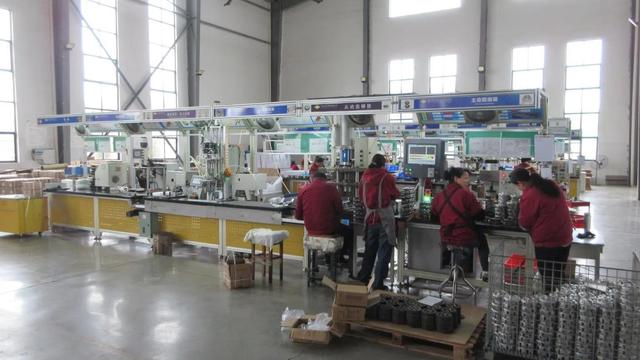
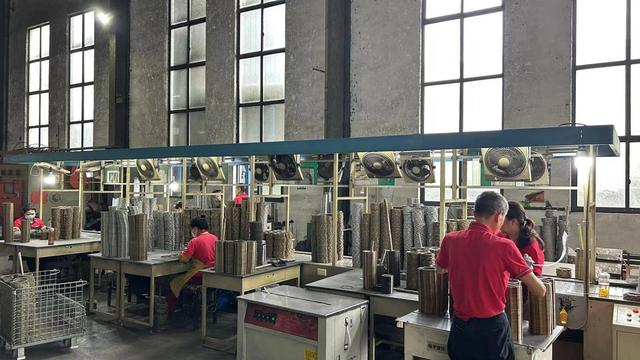
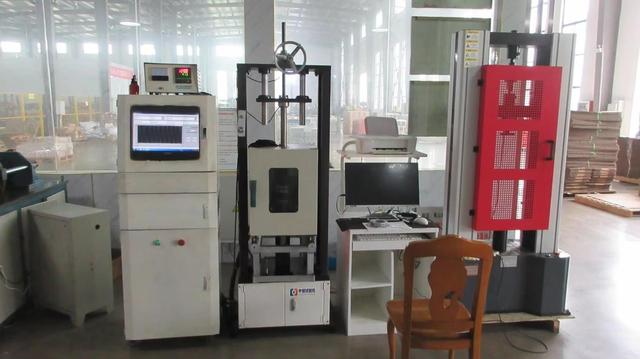
Final assembly, dynamic balancing verification, and secure packaging processes at our specialized manufacturing facility.
Common questions from global automotive procurement managers, parts distributors, and engineering partners.
All premium auto electrical components are manufactured in facilities certified to IATF 16949:2016 and ISO 9001:2015. This ensures that every process, from raw material sourcing and precision machining to final packaging, is subject to trace-back quality verification, ensuring low defect rates.
Yes. We provide complete OEM/ODM engineering services. Using CAD designs, customer-supplied blueprints, or physical templates, our engineers can prototype and mass-produce customized wiring harnesses, special mounting brackets, CNC metal housings, and solenoid assemblies tailored to your exact application.
We verify our products against OEM parts databases using exact part numbers and CAD geometry. We produce components compatible with global passenger vehicle brands (such as Toyota, Honda, Nissan, Mazda, Hyundai, Kia, Subaru, Lexus, Audi, and Volkswagen) as well as commercial brands (like HOWO and ISUZU), matching the electrical connection types and operating tolerances of each platform.
For standard inventory parts, lead time is 7 to 15 days. For volume OEM production or custom CNC-machined components, the typical cycle is 30 to 45 days. This includes production engineering, tooling creation, casting or stamping, electrical testing, and sea-freight packaging.
Our automotive-grade electrical parts use materials selected for high thermal stability. For instance, our electrical connectors utilize PA66 resin with glass fiber reinforcement, and ignition coils/sensors feature high-grade epoxy resins. This construction ensures stable operation in temperatures ranging from -40°C to +125°C under the hood.
 Yihe Auto