High-performance optoelectronics, precision-machined heat sinks, and SMT circuit assemblies engineered for rigorous commercial requirements.
Unpacking the technological depth, horizontal integration, and engineering excellence of East Asian manufacturing hubs.
The concentration of raw optoelectronic chip fabs, high-precision metal extrusion plants, and state-of-the-art SMT factories within China's Guangdong, Zhejiang, and Fujian provinces creates a streamlined manufacturing workflow. Industrial buyers achieve unprecedented cycle times from prototyping to mass distribution.
By sourcing raw inputs locally—such as highly consistent phosphors, optical-grade PMMA, high-purity aluminum alloys, and high-conductivity thermal interface materials (TIMs)—factories mitigate cross-border supply chain volatility while locking in highly competitive pricing matrices.
Top-tier Chinese exporters adhere closely to Western regulatory standards. Manufacturing lines operate under ISO 9001 and IATF 16949 automotive quality systems, guaranteeing that components meet strict UL, CE, FCC, VDE, and RoHS compliance guidelines for international safety acceptance.
Analysis of the technological shift toward driverless topologies, smart modules, and advanced spectral metrics.
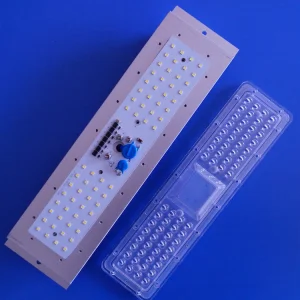
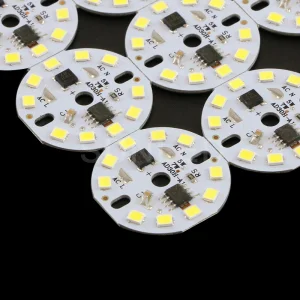
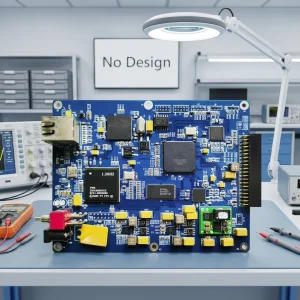
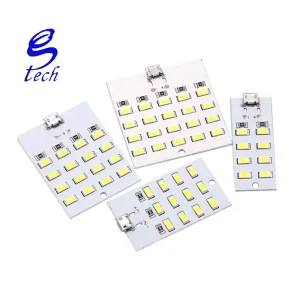
Traditional LED systems are susceptible to failures in the AC-to-DC driver circuit, particularly at the electrolytic capacitor interface. Modern engineering trends favor integrated, high-voltage, driverless AC modules. By mounting high-power SMD LEDs directly alongside solid-state IC controllers on a common metal-core PCB (MCPCB), factories eliminate discrete driver blocks. This development optimizes spatial requirements, reduces assembly complexity, and elevates overall system lifespan.
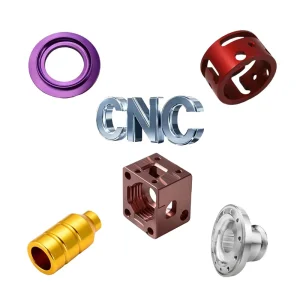
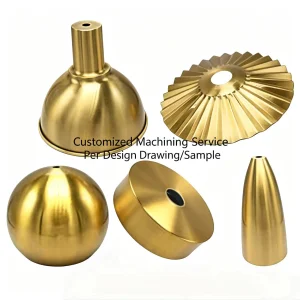
As light engine density increases, dissipation of junction heat becomes critical. CNC precision machining of specialized aluminum and brass materials ensures optimal thermal contact paths. High-precision extrusion channels, heat sinks, and customized fixtures are calibrated with extremely flat mounting surfaces (often within micron-level tolerances). This direct thermal path maximizes heat flow away from the delicate semiconductor die, preventing lumen depreciation and chromaticity shifts.
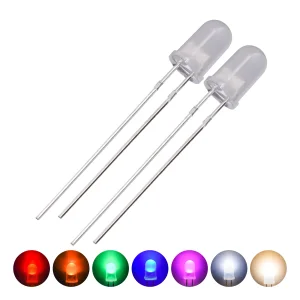
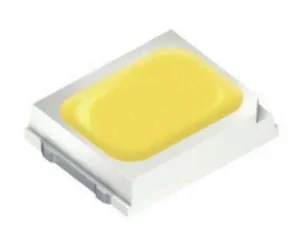
Human-centric lighting (HCL) systems match natural biological rhythms. Component manufacturers are responding by manufacturing LEDs with optimized spectral distributions. High-CRI emitters (achieving R9 values above 90 and general CRI Ra above 95) are no longer specialized components but standard requirements. These high-fidelity semiconductors are critical for retail environments, medical applications, and residential developments where true-to-life color rendering is necessary.
A comparative technical overview of primary lighting components and structural elements.
| Component Type | Primary Substrate/Material | Key Performance Metric | Optimal Thermal Profile | Primary Industry Standard |
|---|---|---|---|---|
| Driverless AC Modules | Copper-Clad Alum MCPCB | 120-150 Lm/W efficiency | Junction Temp < 85°C | CE, RoHS, UL Recognition |
| High-CRI LED Diodes | Sapphire Substrate / Gold wire | 95+ CRI, High R9 value | Junction Temp < 65°C | LM-80, TM-21 |
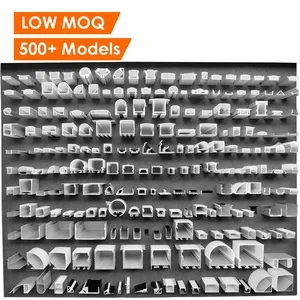
| Precision CNC Extrusions | Alloy AL6063-T5 / T6 Aluminum | < 0.02mm flatness tolerance | Thermal Conductivity ~200 W/m·K | ASTM B221, ISO 2768-m |
| Stage Lighting Accessories | High-Tensile H59/H62 Brass | Excellent vibration dampening | Operating temp up to 180°C | DIN Standard, RoHS Compliant |
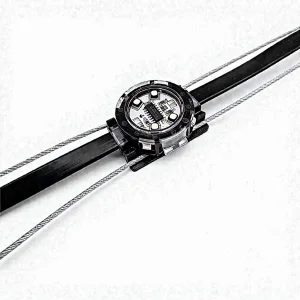
| Digital RGB Pixel Modules | Double-Sided Flex PI Board | IP67 Waterproofing, DMX512 | Junction Temp < 75°C | UL94 V-0 Flammability |
From architectural landmarks to traffic management systems: how components translate into functional solutions.
Modern building exteriors demand high-durability digital illumination. By utilizing RGB IP67 pixel-point lights integrated into customized, high-precision structural aluminum profiles, architects create dynamic, media-ready building envelopes. High-grade PMMA diffusers ensure uniform light distribution and resist environmental degradation from UV exposure.
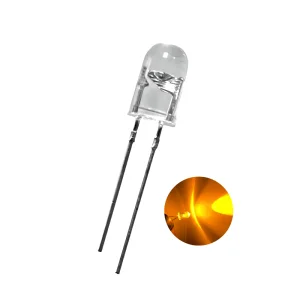
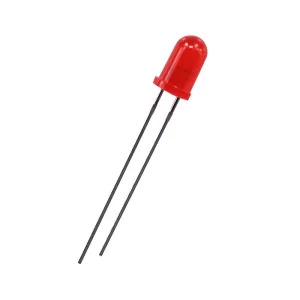
Municipal signaling structures require strict compliance. 590-595nm amber LED diodes are engineered for traffic control arrays. These components feature narrow wavelength tolerances and high luminous intensity, ensuring visibility under adverse weather conditions. Their long operational life minimizes municipal maintenance cycles.
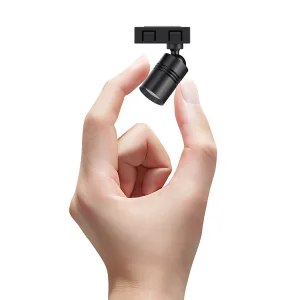
Artistic lighting demands close attention to light quality. Ultra-compact, UL-certified 1W to 3W mini track spotlights, engineered with high-CRI (95+) COB chips, provide precise illumination without emitting damaging ultraviolet or infrared radiation. Aluminum heatsinks keep running temperatures low, protecting delicate displays.
A systematic framework for procurement officers to evaluate suppliers on quality, scalability, and engineering depth.
When selecting a manufacturing partner, global buyers must assess quality control workflows. A top-tier manufacturer should demonstrate the following engineering capabilities:
While component unit cost is important, procurement teams must analyze the total cost of ownership. A low-cost diode that suffers from early lumen degradation or color shifts increases maintenance costs and impacts brand reputation. Investing in components with reliable thermal management, such as high-grade aluminum extrusions, provides better long-term value.
Detailed answers to technical and supply chain questions from design engineers and procurement professionals.
High-precision cast housings, extruded profiles, and specialty lighting systems designed for global distribution.
 Yihe Auto