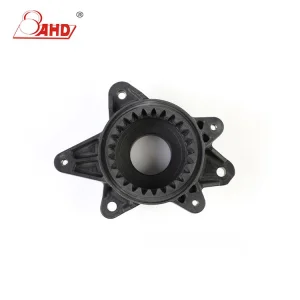
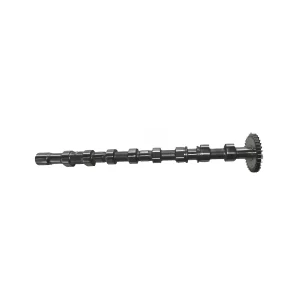
Guangzhou Yihe Auto Co., Ltd. is an industry-leading, professional Auto Parts Manufacturer | Engine Components, Suspension Parts & Automotive Systems dedicated to providing premium drivetrain elements, critical gearbox assemblies, and customized mechanical configurations. We serve a vast global network of vehicle manufacturers, Tier-1 automotive systems distributors, heavy equipment OEM operations, industrial wholesalers, and precision aftermarket suppliers.
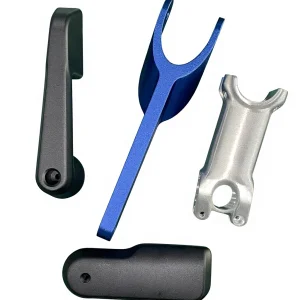
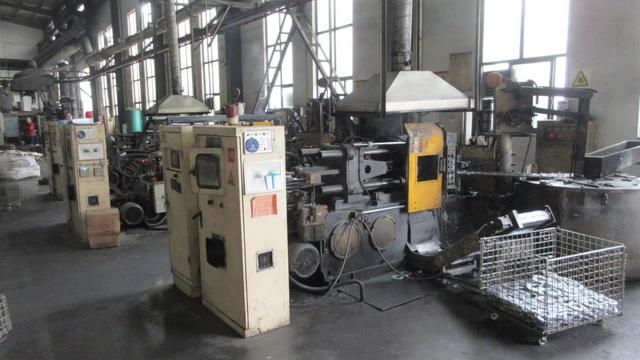
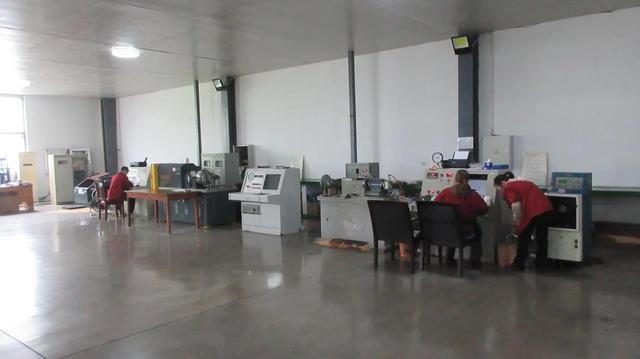
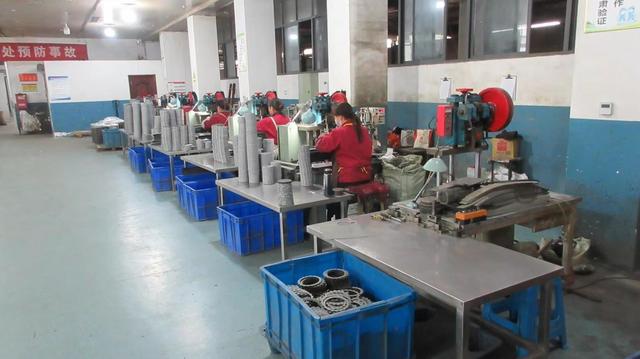
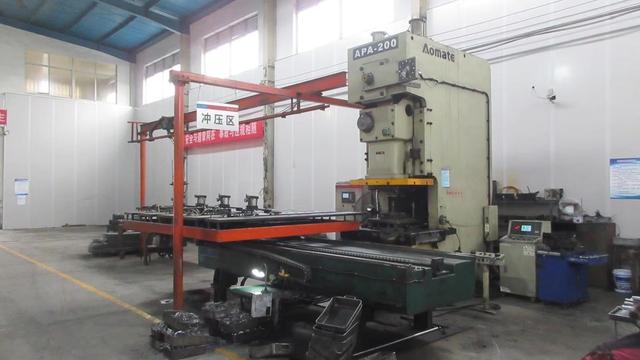
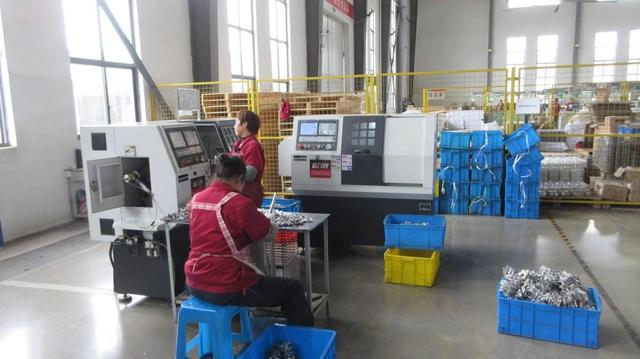
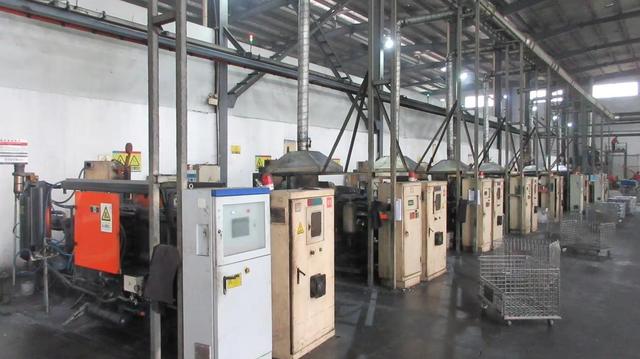
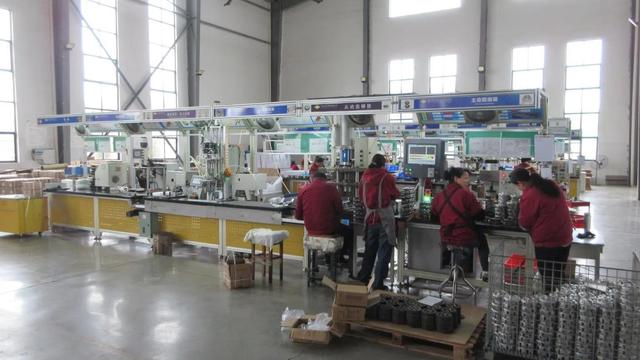
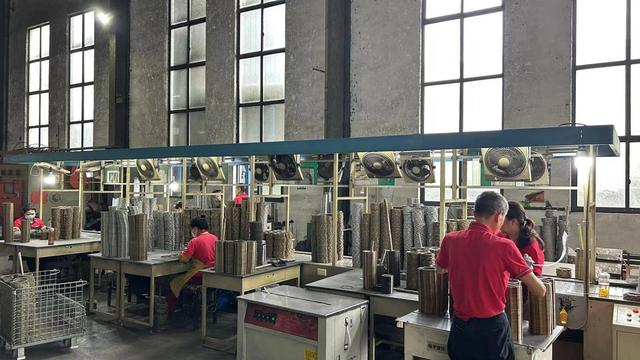
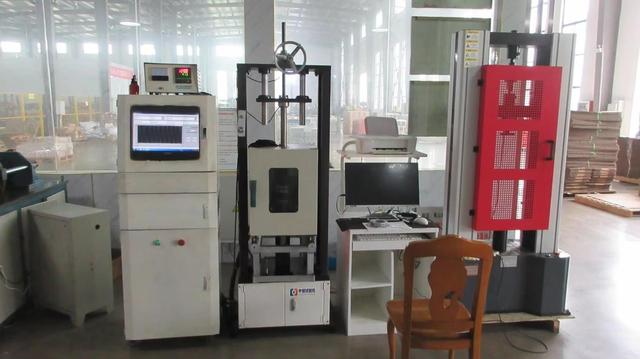
Located in Guangzhou, China, our advanced manufacturing centers leverage high-efficiency robotics, automated CNC machining lines, coordinate measuring machines (CMM), and metallurgical verification labs. We specialize in components built to survive extreme fatigue: engine components, suspension linkages, robust steering gears, heavy-duty brake components, transmission units, and custom planetary systems.
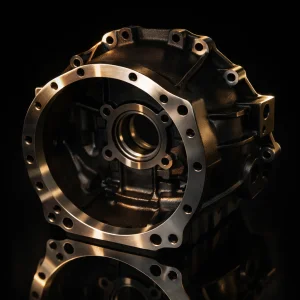
Quality, engineering integrity, and operational predictability form the cornerstone of our company ethos. By operating under rigorous IATF 16949 and ISO 9001 frameworks, we maintain tight control over raw materials selection, thermochemical treatments (including gas carburizing and case hardening), high-speed machining, and dynamic assembly testing. This dedication helps us deliver wear-resistant gears and housings that satisfy global automotive regulations and industrial tolerances.
In modern mechanical design, the drivetrain represents the foundational kinetic pathway of any vehicle or industrial assembly. Connecting the primary power source (whether an internal combustion engine, an electric motor, or a hybrid unit) to the drive wheels requires micro-precision torque transfer. A minor metallurgical anomaly or dimensional variance of a few micrometers can compromise system safety, accelerate component wear, and generate unwanted noise, vibration, and harshness (NVH).
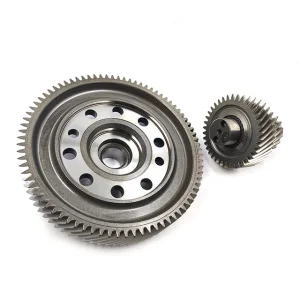
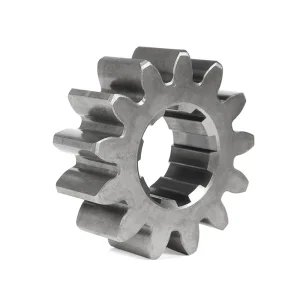
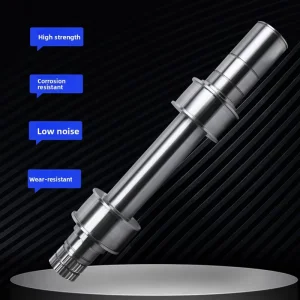
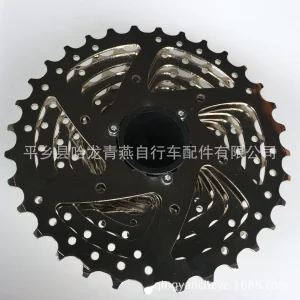
High-performance drivetrain components demand precise chemical composition and microstructure control. Industrial-grade spur gears, helical gear configurations, and main drive shafts are subject to extreme shear stresses and contact fatigue.
Global supply chain managers face the complex challenge of balancing unit costs, manufacturing quality, and logistics reliability. The shift toward electrification requires drivetrain component factories to implement dual-manufacturing capabilities: supporting traditional ICE platforms (internal combustion engine components) while scaling up high-input speed reduction gearboxes for electric vehicle (EV) drivetrains.
To mitigate manufacturing defects, Tier-1 suppliers demand strict quality audits, material trace documentation (Material Test Reports - MTRs), and certifications like IATF 16949 and ISO 9001. These certifications prove a factory's capability to prevent defects, reduce production variation, and implement continuous improvement programs.
Partnering directly with a drivetrain component manufacturer like Guangzhou Yihe Auto Co., Ltd. offers significant strategic advantages. Direct collaboration bypasses intermediaries, reduces overhead, and opens up direct communications for customized technical requirements.
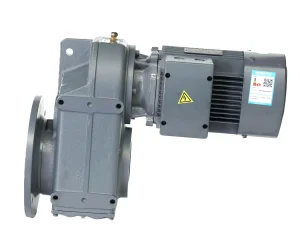
Whether engineering custom gear ratios for F-series parallel shaft gearboxes or adjusting planetary configurations for complex machinery, factory-direct access ensures that design engineers and metallurgists align perfectly. Furthermore, direct manufacturing relationships secure dedicated production capacity, insulating companies against sudden market shifts or logistics disruptions.
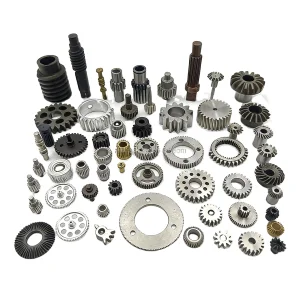
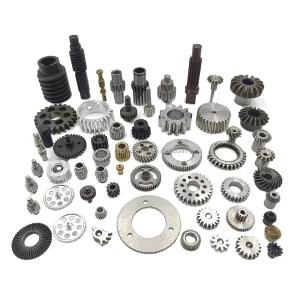
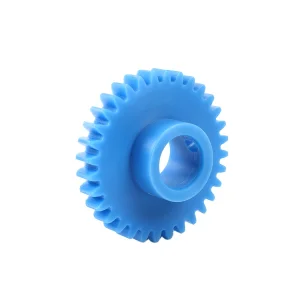
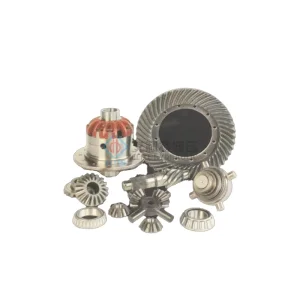
Every component, from alloy spur gears to injection-molded bevel pinions, undergoes strict inspection including dimensional checks, hardness mapping, and concentricity testing.
We manufacture using premium raw materials, including 20CrMnTi, structural SG iron, performance aluminum alloys, and self-lubricating POM polymers.
Our design teams translate structural drawings and performance parameters into durable drivetrain units, customizing shaft profiles, teeth configurations, and gearbox ratios.
The automotive and heavy industrial sectors are undergoing rapid evolution. Key technical developments shaping the next generation of drivetrain components factories include:
With electric drivetrains operating in near-silence, gear mesh noise is no longer masked by internal combustion engines. Factories must produce gear components with sub-micron surface finishes. Implementing gear grinding processes after heat treatment has become standard practice for eliminating micro-scale distortions, resulting in quiet operation and improved transmission efficiency.
Reducing unsprung weight directly boosts fuel economy and range. High-strength aluminum forgings and thin-walled die-cast cylinder housings are replacing heavier cast-iron assemblies. Finite Element Analysis (FEA) allows engineers to shave material off low-stress zones, maximizing torque density.
Smart drivetrain factories deploy inline optical sensors and tool-wear prediction algorithms. Real-time monitoring of CNC milling machines guarantees that machining tolerances are maintained across high-volume production runs, preventing out-of-tolerance parts from entering assembly lines.
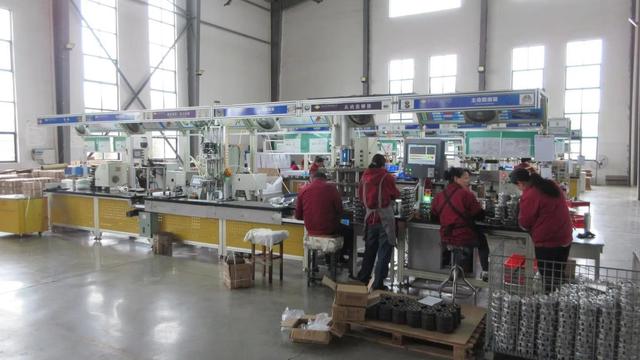
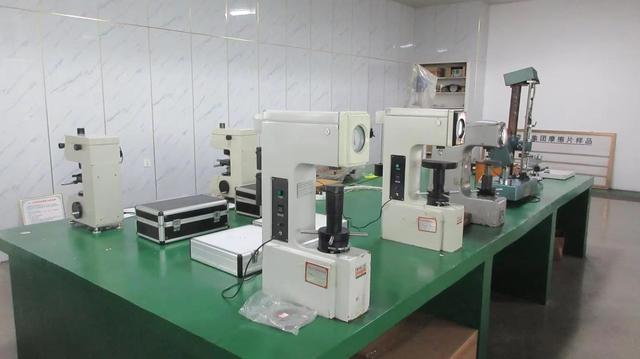
 Yihe Auto