Understanding why automotive components fail over time is crucial for ensuring vehicle longevity and safety. According to Dr. Emily Lawson, a leading automotive engineer, "The materials and conditions under which components operate directly influence their lifespan." This statement underscores the complexity surrounding automotive part failures.
Component failure often stems from a mixture of wear and environmental factors. For instance, rubber parts may degrade due to heat and exposure to chemicals. Metal components can suffer from fatigue and corrosion, leading to unexpected breakdowns. Frequent usage and maintenance neglect can further accelerate these issues.
Experts emphasize the importance of quality materials and proper maintenance. Although manufacturers strive for durability, there is always room for improvement. As we delve deeper into why automotive components fail over time, recognizing both design limitations and user habits becomes essential. Reflecting on these factors can guide vehicle owners in making better choices for maintenance and part replacements.
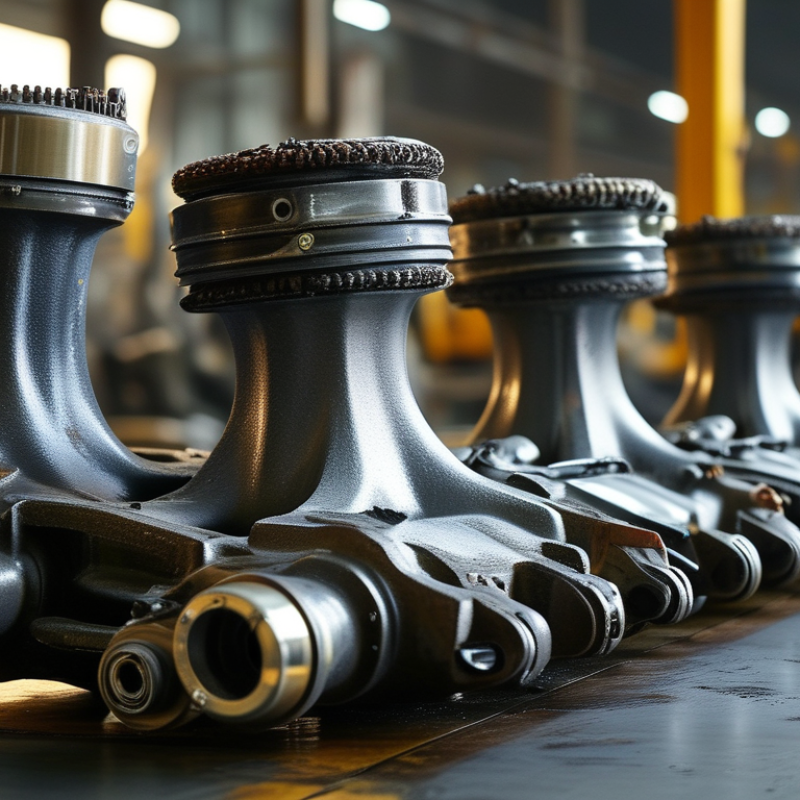
The aging of automotive components is a complex issue influenced by various factors. Environment plays a crucial role. UV rays can degrade materials like plastics and rubber. Combined with temperature fluctuations, this can lead to brittleness. According to a report from the Society of Automotive Engineers, over 75% of failures in automotive parts stem from environmental stressors.
Mechanical wear also contributes significantly. Regular use increases friction, leading to wear on parts such as engines and brakes. A study from the Automotive Research Association indicates that about 30% of mechanical failures occur due to insufficient maintenance.
Tips: Regularly inspect components for signs of wear. Timely oil changes can prolong engine life.
Moreover, corrosion is another critical factor. Corrosion affects metal parts, especially in harsh climates. The National Highway Traffic Safety Administration suggests that vehicles in coastal areas may experience up to a 40% increase in corrosion-related issues. This highlights the importance of protective coatings.
Tips: Keep your vehicle clean and waxed. A simple wash can prevent buildup and extend component life.
Understanding these factors can help in proactive maintenance, ultimately enhancing vehicle longevity.
Material fatigue significantly impacts the lifespan of automotive components. Over time, repeated stress and strain can weaken materials, leading to failure. According to the International Journal of Automotive Engineering, around 30% of automotive failures are attributed to fatigue. This phenomenon occurs when materials experience cyclic loading, which causes microscopic cracks to develop and propagate.
Tips: Regular inspections can help identify fatigue early.
Metals, plastics, and composites all behave differently under stress. For instance, aluminum parts may show fatigue signs sooner than steel components. The American Society of Mechanical Engineers reports that fatigue can reduce component life by up to 50% in some scenarios. Understanding the specific fatigue limits of materials is crucial for engineers.
Tips: Choose materials wisely based on their fatigue resistance.
Having a maintenance schedule can mitigate risks. Analyzing fatigue patterns can also enhance design practices. Striking a balance between material choice and operational demands requires careful consideration. Monitoring load cycles and environmental conditions plays a pivotal role in prolonging component lifespan.
Environmental factors significantly impact the durability of automotive components. Elements such as temperature, humidity, and exposure to contaminants can lead to deterioration. Research from the Automotive Research Association suggests that nearly 40% of component failures are related to harsh environmental conditions.
For instance, prolonged exposure to UV radiation can weaken materials like rubber and plastics. This can cause seals and hoses to crack and degrade. Additionally, fluctuations in temperature can affect metal parts. Extreme heat may cause expansion, while cold temperatures can lead to contraction, increasing the risk of stress fractures.
Moreover, corrosive elements like road salt and moisture can accelerate wear and tear. A report from the Society of Automotive Engineers indicates that corrosion accounts for up to 30% of automotive component failures. Regular maintenance is essential. However, many vehicle owners overlook corrosion prevention strategies. As a result, components may fail sooner than expected, stressing the need for awareness about environmental influences.
When it comes to automotive components, failure is often inevitable. Over time, wear and tear take their toll. Statistics show that certain parts are more prone to failure than others. For instance, brake pads usually wear out after 30,000 to 70,000 miles. Engine components can begin to exhibit signs of fatigue after similar mileages. The patterns of failure vary across different vehicles, but the trends remain consistent.
Many factors contribute to component failure. Quality of materials plays a critical role. Components made with inferior materials tend to fail sooner. Environmental conditions also affect durability. Extreme temperatures and exposure to moisture can accelerate wear. Driver behavior is another key factor; aggressive driving can lead to premature failures. Reflecting on these aspects can help identify potential issues before they become significant problems.
Statistical insights reveal common failure points. For example, electrical failures are often linked to poor connections or corroded wires. Fuel pumps are notorious for failing unexpectedly, primarily due to contamination or wear. Understanding these patterns can aid in proactive maintenance. Paying attention to these statistics can foster a deeper appreciation for automotive engineering and component reliability.
Automotive components are engineered for durability, yet they inevitably decline over time. Regular maintenance is crucial for extending their lifespan. According to industry reports, proper maintenance can reduce component failure rates by up to 30%. Neglected parts often fail due to wear, corrosion, or unexpected stress. For instance, brake systems require regular checks as they can weaken significantly without proper care.
Engaging in scheduled maintenance boosts reliability. A study by the Automotive Maintenance and Repair Association found that vehicles receiving consistent upkeep saw an average 15% increase in overall performance. Simple practices like oil changes and tire rotations make a difference. Ignoring these can lead to costly repairs and safety hazards. Many vehicle owners believe that infrequent checks are sufficient, but this mindset can result in significant issues.
Common oversights include neglected fluid levels or old filters. Interestingly, many components exhibit early signs of wear that go unnoticed. A thorough inspection can reveal these issues. Maintaining vehicle components not only ensures safety but also enhances overall vehicle performance. Investing in upkeep might seem tedious, but it protects long-term investment and driver confidence.
: Material fatigue weakens components over time due to repeated stress. It can lead to failure and reduced lifespan.
About 30% of automotive failures are due to material fatigue, as reported by the International Journal of Automotive Engineering.
Environmental conditions, cyclic loading, and the choice of materials play significant roles in material fatigue.
Regular inspections can identify signs of fatigue early, preventing potential failures and extending component life.
Harsh conditions like temperature fluctuations and exposure to contaminants can lead to deterioration and failure.
Corrosion accounts for up to 30% of automotive component failures, stressing the importance of preventive measures.
Proper maintenance can reduce component failure rates by up to 30%, enhancing safety and vehicle performance.
Many neglect fluid levels, old filters, and regular checks, leading to premature wear and potential safety risks.
Extreme heat can cause expansion, while cold temperatures lead to contraction, increasing the risk of stress fractures in metals.
Vehicles with regular upkeep show improved performance and reliability, reinforcing the importance of maintenance for long-term care.
The article "Why Do Automotive Components Fail Over Time?" explores the various factors that contribute to the aging and deterioration of automotive parts. Key considerations include material fatigue, which significantly impacts the lifespan of components as repeated stress and strain weaken their structural integrity. Environmental influences, such as temperature fluctuations and exposure to moisture, also play a pivotal role in the durability of automotive elements.
Additionally, the article presents statistical insights into common failures, highlighting how neglecting maintenance practices can further accelerate component wear. By understanding why automotive components fail over time, car owners and manufacturers can adopt better maintenance strategies and material choices to enhance the longevity and reliability of vehicles.

Yihe Auto