In the automotive industry, the importance of certifications cannot be overstated. Michael Johnson, a leading expert in auto industry standards, emphasizes that "certifications ensure safety and quality in product manufacturing." The question of "what certifications should auto parts manufacturers have" is critical for compliance and competitiveness.
Certified manufacturers are often more trusted by consumers. Specific certifications signal a commitment to quality and safety. For instance, ISO/TS 16949 is crucial for quality management in auto parts production. Additionally, many companies seek IATF 16949, which builds on the ISO standard but adds stricter requirements.
However, not all manufacturers prioritize certifications. Some may overlook the necessity, thinking it's an added cost. This mindset can lead to significant risks, including recalls and reputation damage. By recognizing the need for certifications, manufacturers can enhance their credibility and ensure their products meet regulatory standards. Thus, understanding "what certifications should auto parts manufacturers have" becomes an essential part of thriving in today's market.
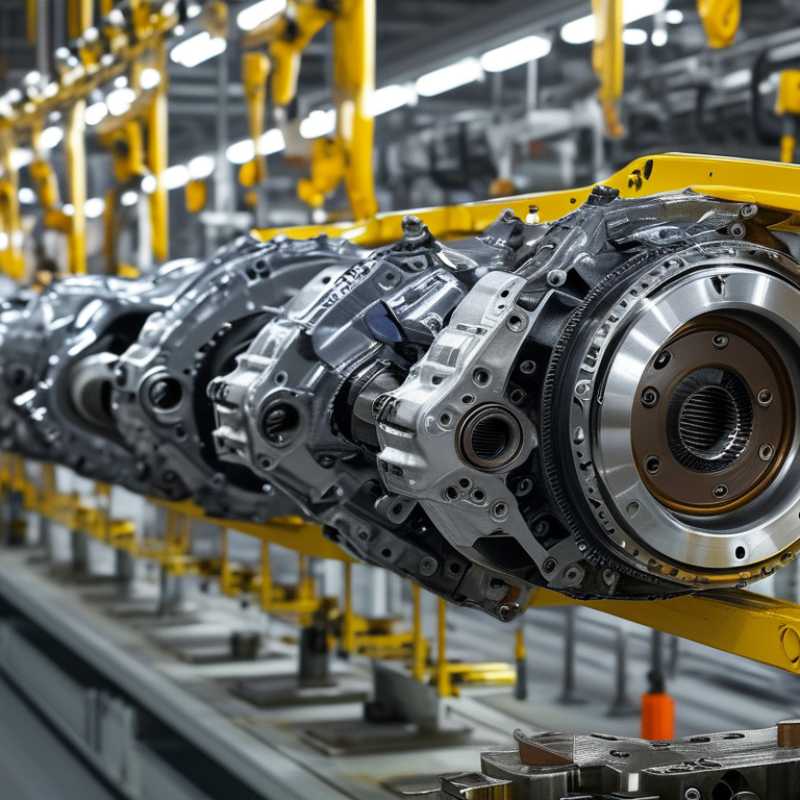
Overview of Certifications in the Auto Parts Manufacturing Industry
In the auto parts manufacturing industry, certifications play a crucial role in ensuring quality and reliability. Industry reports indicate that nearly 70% of manufacturers prioritize quality certifications when partnering with suppliers. Key certifications include ISO 9001, which focuses on quality management, and IATF 16949, specifically tailored for the automotive sector. These standards help businesses streamline processes, enhance customer satisfaction, and reduce waste.
Another important certification is the ISO/TS 16949, which integrates various regulations for automotive production. This standard has significantly influenced performance metrics in the industry. A report from the Automotive Industry Action Group shows that certified companies reported a 30% increase in operational efficiency. However, many manufacturers still struggle with compliance, often due to a lack of expertise in creating effective management systems.
While having these certifications can enhance market credibility, mere possession does not guarantee quality. Regular audits and continuous improvement are essential. Many manufacturers face challenges in maintaining these standards consistently. Industry data reveals that over 50% of companies fail to meet certification requirements on their first attempt. This emphasizes the need for ongoing training and development.
ISO Standards and Their Importance for Auto Parts Manufacturers
ISO standards play a crucial role in the auto parts manufacturing industry. These standards ensure that products meet quality, safety, and efficiency benchmarks. According to a recent report by the International Organization for Standardization, implementing ISO 9001 can lead to a 20% increase in operational efficiency. This demonstrates the profound impact that these certifications can have on manufacturers.
Auto parts manufacturers should consider obtaining ISO/TS 16949 certification, which focuses on the automotive sector's unique needs. This standard emphasizes continuous improvement and defect prevention. It is crucial for manufacturers aiming to build a reputation for reliability.
Tips: Always review current standards in the industry. The landscape changes frequently, and staying updated can give you a competitive edge.
Quality control remains a common challenge among manufacturers. Not every company achieves the promised standards. Some find the costs of compliance overwhelming. Thus, it’s essential to assess whether the benefits of certification outweigh the expenses. Manufacturers must reflect on their production processes to avoid falling short of these critical benchmarks.
Tips: Regular internal audits can highlight inefficiencies early. This proactive approach can save costs down the line.
Investing in ISO standards is more than just obtaining certification. It shows commitment to quality excellence. Yet, achieving and maintaining these standards requires time and effort. Balancing compliance with production demands can be tricky for many manufacturers.
Specific Certifications for Quality Management in Manufacturing
In the auto parts manufacturing industry, certifications are essential for ensuring quality management. Industry reports suggest that around 70% of manufacturers emphasize the need for certifications to boost consumer trust. Notably, ISO 9001 is a widely recognized certification that focuses on quality management systems. This standard helps organizations improve their processes and enhance customer satisfaction.
The IATF 16949 certification is crucial for automotive suppliers. It aligns quality management standards with the automotive industry's specific requirements. A study shows that companies with IATF certification have seen a 30% reduction in defect rates. This statistic highlights the importance of maintaining rigorous quality control measures in production.
Moreover, some manufacturers overlook the necessity of regular audits, claiming they are redundant. However, research indicates that those who underutilize audit processes often experience increased recalls. Continuous evaluation can identify potential issues early on, preventing costly setbacks. Quality management is not just a compliance checkbox; it is a cornerstone of operational excellence.
What Certifications Should Auto Parts Manufacturers Have? - Specific Certifications for Quality Management in Manufacturing
| Certification |
Description |
Industry Standards |
Scope |
| ISO 9001 |
International standard for quality management systems. |
Quality Management Principles. |
Applicable to all organizations regardless of size. |
| IATF 16949 |
Quality management standard specifically for the automotive sector. |
TS 16949. |
Focuses on continuous improvement and defect prevention. |
| ISO/TS 16949 |
Technical specification for quality management for automotive production. |
Quality Assurance in Automotive Production. |
Covers production, installation, and servicing of automotive products. |
| ISO 14001 |
Standard for environmental management systems. |
Environmental Management Practices. |
Applicable to any organization looking to improve environmental performance. |
| OHSAS 18001 |
Standard for occupational health and safety management systems. |
Safety Management Standards. |
Suitable for organizations looking to enhance workplace safety. |
Environmental Certifications Relevant to Auto Parts Production
In the automotive industry, environmental certifications are vital for parts manufacturers. These certifications demonstrate a commitment to sustainability. They also enhance credibility among clients and stakeholders. Various programs exist that focus on reducing environmental impact.
One key certification is ISO 14001. This international standard outlines how an organization can improve its environmental performance. A company with this certification shows it actively manages its environmental responsibilities. It’s not just about compliance but also about proactive risk management. Another important certification is the Automotive Industry Action Group’s (AIAG) standards. These help manufacturers meet environmental regulations while streamlining processes.
Tips: Assess your production processes regularly. Identify areas for improvement. Engage employees in sustainability initiatives. It’s essential to foster a culture where everyone feels accountable.
Having the right certifications can be complex. It often requires investment and time. Still, the long-term benefits outweigh the initial challenges. Making strides towards environmental responsibility can lead to innovation and efficiency. Recognizing areas of weakness is crucial for growth. Continual improvement should be a goal for all auto parts manufacturers.
Safety Certifications Required for Auto Parts Compliance and Standards
When it comes to auto parts, safety is paramount. Various certifications ensure compliance with industry standards. The National Highway Traffic Safety Administration (NHTSA) data reveals that approximately 30% of vehicle-related fatalities stem from faulty components. This statistic underscores the need for rigorous safety certifications among manufacturers.
Certifications such as ISO 9001 and ISO/TS 16949 are crucial. They denote adherence to quality management principles. Moreover, the Automotive Industry Action Group (AIAG) indicates that suppliers must also obtain certifications like IATF 16949. This ensures alignment with global automotive quality standards. Many manufacturers struggle to keep up with evolving requirements. Regulatory changes can catch even seasoned companies off guard.
In addition, the Underwriters Laboratories (UL) certification plays a vital role. It addresses electrical safety and product reliability. Research suggests that products boasting UL certification experience better market acceptance. Yet, the certification process is complex. Manufacturers sometimes overlook small details during audits, resulting in delays. Continuous education about compliance and evolving safety standards is essential for success in the automotive industry.
Conclusion
In the auto parts manufacturing industry, understanding what certifications should auto parts manufacturers have is crucial for ensuring product quality, compliance, and environmental responsibility. Key certifications include ISO standards, which establish essential guidelines for quality management systems and operational efficiency. Adhering to these standards helps manufacturers enhance their credibility and customer trust.
Additionally, specific certifications focused on quality management play a vital role in maintaining high production standards. Environmental certifications are also increasingly important, reflecting the industry's commitment to sustainability and eco-friendly practices. Furthermore, safety certifications are necessary to meet regulatory compliance and ensure the safety of both workers and end-users. Overall, these certifications not only elevate manufacturing standards but also promote responsible production practices in the auto parts sector.

 Yihe Auto