The auto parts industry in China is intricate and rapidly evolving. Understanding what affects auto parts performance is essential for manufacturers and consumers alike. Various factors contribute to the efficiency and durability of these components.
Manufacturers must consider material quality, design precision, and manufacturing processes. The type of materials used greatly impacts how long a part lasts. Furthermore, technological advancements play a crucial role as well. Innovation can improve functionality and reduce wear and tear. However, not all manufacturers prioritize these aspects.
Market demand also influences performance standards. Some companies may compromise quality for cost. This can lead to products that fail under stress. Additionally, regulatory standards vary, which affects safety and reliability. In a competitive market, choosing the right auto parts can be overwhelming. Understanding the underlying factors can lead to better decision-making.
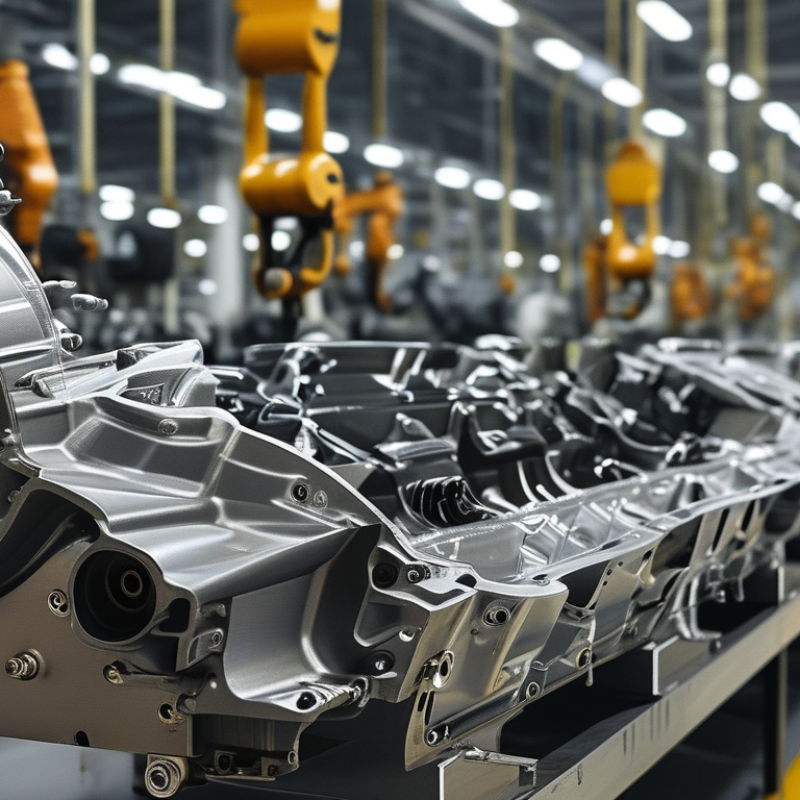
When examining auto parts performance, material choice and design are critical. High-quality materials can significantly enhance durability and functionality. For example, aluminum alloys are lightweight yet sturdy, making them ideal for structural components. In contrast, plastics can reduce weight but may not always withstand high temperatures or stress.
Design plays an equally important role in performance. Aerodynamic shapes can minimize drag, improving fuel efficiency. Similarly, parts must fit well, ensuring they work together seamlessly. Poor design might lead to increased wear or even failure. Considerations regarding manufacturing techniques also affect the final outcome.
Tips: Focus on sourcing materials that have proven track records. Always review design specifications for compatibility with other parts. It’s wise to conduct testing under various conditions to avoid unexpected issues later on.
The manufacturing processes used in producing auto parts directly impact their quality and overall performance. Recent studies indicate that up to 70% of defects in auto parts stem from inadequate manufacturing practices. For instance, improper molding techniques can lead to weak structural integrity, making parts more susceptible to failure. This is critical in the automotive sector, where quality assurance is paramount.
Quality control measures during production are essential. A report from the Automotive Industry Action Group (AIAG) highlights that companies implementing strict quality checks experienced a 30% decrease in warranty claims. This suggests that investing in better manufacturing processes fosters reliability. The adoption of advanced technologies like automation and precision engineering has also shown promise. Companies utilizing these methods reported improved part consistency and durability. However, transitioning to these processes can present challenges, requiring significant investment and training.
Furthermore, the sourcing of raw materials plays a significant role. Reports from industry analysts reveal that up to 40% of performance issues can be traced back to subpar materials. Finding reliable suppliers is crucial, but it is a constant challenge. Many manufacturers still struggle with this aspect, which affects their ability to deliver high-quality parts consistently. Balancing cost and quality in material selection remains an ongoing dilemma for the industry.
The performance of auto parts in China is significantly shaped by market regulations and standards. These regulations aim to guarantee safety, quality, and environmental protection. For instance, specific guidelines dictate the material composition and durability tests. These measures are designed to enhance overall reliability and minimize risks associated with faulty parts. In practice, manufacturers often struggle to comply fully with these standards.
Many companies find it challenging to balance innovation and regulatory compliance. They may produce high-quality parts, but they often encounter hurdles. Delays in approvals can impact market entry. As such, understanding local regulations is crucial for success. There is great variance in how these regulations are enforced regionally. This inconsistency can confuse manufacturers and lead to misalignment in quality expectations.
The role of consumer awareness also cannot be understated. Informed buyers increasingly seek products that meet rigorous standards. This demand encourages companies to invest more in quality control to maintain their market share. Yet, not all consumers have the knowledge to differentiate between good and bad parts. This gap can harm industry accountability, leading to questions about the effectiveness of existing standards. Ultimately, while regulations aim to uplift performance, the reality often tells a more complex story.
Consumer preferences significantly shape the development of auto parts in China. Data from the China Automotive Technology and Research Center indicates that nearly 70% of consumers prioritize reliability and performance over price. This trend emphasizes the need for manufacturers to adapt their product offerings to meet these expectations. As the market evolves, consumers increasingly seek advanced technology in their vehicles, pushing suppliers to innovate.
An interesting finding from a recent industry report shows that eco-friendliness is becoming a vital factor. Around 45% of consumers prefer auto parts that are sustainable and environmentally friendly. This shift towards sustainability challenges manufacturers to invest in greener technologies. However, achieving balance between performance and eco-design remains a struggle. Many manufacturers lack the expertise necessary for effective integration.
Tips: Focus on consumer feedback. It provides insights for future product development. Stay updated with market trends. This knowledge helps in making informed decisions. Regularly engage with customers. Their needs will guide your innovation process.
Technological innovations play a pivotal role in shaping the efficiency of auto parts in China. Advances in materials science are enhancing performance. Lightweight materials, like advanced composites, reduce overall vehicle weight. This improvement leads to better fuel efficiency and reduces emissions.
Automation in manufacturing processes is another significant factor. Robotics and artificial intelligence streamline production. These technologies improve precision and lower defect rates. However, as factories adopt cutting-edge equipment, workers face new challenges. Upskilling becomes essential, yet some may struggle to adapt.
Data analytics is also transforming auto parts performance. Manufacturers harness big data to monitor wear and tear. Predictive maintenance schedules can be established, reducing downtime. This shift requires a cultural change in the industry. Many companies still rely on traditional methods, which limits overall progress. Balancing innovation with practical applications remains a crucial task.
: Material choice and design are critical. High-quality materials enhance durability and functionality.
Aluminum alloys are lightweight and sturdy, making them ideal for structural components.
Aerodynamic shapes can reduce drag and improve fuel efficiency. Proper fit is essential for seamless operation.
They should focus on materials with proven track records and review design specifications for compatibility.
Regulations ensure safety and quality but can create challenges for manufacturers in compliance and innovation.
Informed consumers seek products that meet standards, pushing manufacturers to enhance quality control.
Lightweight materials, automation, and data analytics are enhancing performance and reducing emissions.
Upskilling is essential as workers adapt to automation and AI in production processes.
By monitoring wear and tear, manufacturers can reduce downtime through timely maintenance.
Many companies need to shift from traditional methods to embrace innovative technologies for progress.
The article "What Factors Influence Auto Parts Performance in China?" explores several key elements that determine the efficiency and quality of auto parts. It highlights how critical material selection and innovative design contribute significantly to overall performance. Additionally, the manufacturing processes adopted play a vital role in ensuring the high quality of auto components.
Furthermore, the article examines how market regulations and industry standards shape the landscape of auto parts performance, ensuring consumer safety and enhancing product reliability. Consumer preferences significantly drive the development of auto parts, pushing manufacturers to align their offerings with market demands. Lastly, technological innovations are transforming the production and functionality of auto parts, demonstrating the importance of understanding what affects auto parts performance in a rapidly evolving automotive market.

Yihe Auto