How to Tell How Long Auto Parts Last

Time:2026-11-14 Author:Liam
0%

A worn brake pad may squeal at a stoplight, while a failing battery can leave the car silent in the driveway. These parts do not share one dependable expiration date. If you are asking “how long do auto parts last,” the honest answer depends on the part, driving conditions, maintenance, and the quality of earlier repairs. Mileage matters, but so do short trips, heavy loads, road salt, heat, and repeated hard braking. Even two identical cars can age differently.

The wider picture helps. S&P Global Mobility reported that the average age of light vehicles in the United States reached 12.6 years in 2024. That figure describes vehicles, not the lifespan of every component; it is a useful reminder that many cars stay on the road through ongoing inspection and repair. For tires, the National Highway Traffic Safety Administration advises replacing them when tread reaches 2/32 of an inch. That gives drivers a measurable warning point, not a universal mileage estimate. Small details matter. A tire’s pressure, alignment, and wear pattern can change what you see at inspection. This guide explains typical service-life ranges for common parts, the signs that deserve attention, and how maintenance records can sharpen an estimate. Treat any range as a guide, not a promise. Real-world conditions are messier than a chart, and a part can fail earlier than expected.
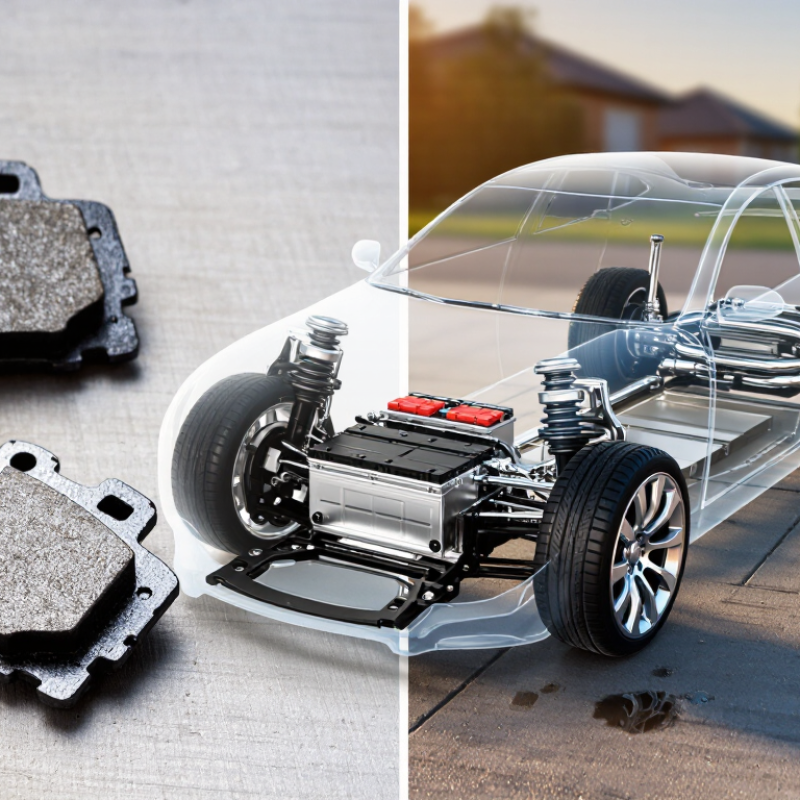
How to Tell How Long Auto Parts Last

Identify the Auto Part and Its Typical Service Life

Identifying the part is the first step; its service life depends on design, driving conditions, and maintenance. AAA guidance puts a typical car battery’s life at about three to five years. Heat, repeated short trips, and a weak charging system can shorten it. Check the date code and watch for slow cranking, especially on cold mornings. It varies. A battery’s age is a clue, not a diagnosis.

For tires, check the sidewall date code and tread, not mileage alone. NHTSA tire-safety guidance identifies 2/32 inch of tread as the point for replacement; age guidance can differ by manufacturer. Cracks, bulges, or uneven wear deserve prompt inspection, even when tread remains. Brake pads are harder to predict: city traffic, hills, vehicle load, and driving habits all affect wear. AAA car-care guidance commonly gives a broad range of roughly 25,000 to 70,000 miles, so treat that as a check-in window, not a promise. I’d inspect the actual part before relying on a calendar estimate. Service records help, but they can be incomplete. A quick visual check cannot reveal every hidden fault.

Check Manufacturer Recommendations and Maintenance Records

Manufacturer recommendations provide a useful baseline, but they are not exact expiration dates. Check the owner’s manual and service schedule for each component. Note whether intervals change under severe conditions, such as frequent short trips, dusty roads, heavy loads, or extreme temperatures. A timing belt and a brake pad do not age alike.

Keep a simple record of the date, odometer reading, part replaced, and any symptoms. Save invoices, and photograph worn parts when practical. Small details matter. S&P Global Mobility reported that the average U.S. light vehicle was 12.6 years old in 2024, so many cars remain in service well beyond their early maintenance years. Records help distinguish an aging part from one replaced recently. They also make a mechanic’s inspection more specific.

Compare your records with the manufacturer’s interval, then consider actual use and inspection findings. AAA’s 2024 Your Driving Costs report estimated maintenance, repairs, and tires at about 10 cents per mile. That figure is an ownership average, not a lifespan prediction for any one part. Mileage-based estimates can miss problems caused by heat, corrosion, or long periods of storage. A missing receipt can make the timeline fuzzy; note that uncertainty rather than treating an estimate as fact.

Evaluate Mileage, Age, and Driving Conditions

Mileage gives a useful starting point, but it can mislead. A car driven mostly on open roads may put less strain on its brakes than one making frequent, short city trips. Check the service record and the part maker’s replacement interval; one mileage rule cannot fit every vehicle. Age matters, too. The National Highway Traffic Safety Administration notes that some tire and vehicle manufacturers recommend replacing tires at six to ten years, even when tread remains. Rubber can age while a car sits.

Driving conditions change wear rates. Stop-and-go traffic, rough roads, heavy loads, and repeated hard braking can shorten the useful life of brakes, suspension parts, and tires. FuelEconomy.gov reports that aggressive driving can reduce fuel economy by 15–30% at highway speeds and 10–40% in stop-and-go traffic. Those figures measure fuel use, not part lifespan, but they show how driving patterns differ. A pothole hit can matter more than a month of gentle commuting. Parts do not wear evenly.

Tips: Track mileage and installation dates. Check tires for cracks, uneven tread, and pressure changes; ask a qualified technician to inspect hidden wear. Keep notes. A small repair record can reveal a pattern, though it will not predict every failure.

How to Tell How Long Auto Parts Last - Evaluate Mileage, Age, and Driving Conditions

Use these ranges as general planning estimates, not fixed replacement deadlines. Check your vehicle’s owner’s manual, inspect parts regularly, and follow the service schedule for your specific vehicle.

Auto Part Typical Mileage Range Typical Age Range Conditions That Can Shorten Life What to Check
Brake pads About 25,000–70,000 miles Often 2–7 years, depending on use Frequent stop-and-go traffic, steep hills, heavy loads, and hard braking Squealing, grinding, reduced braking performance, or a low pad thickness during inspection
Brake rotors Often 50,000–70,000 miles; may last longer or need replacement sooner Commonly 4–10 years, depending on driving and brake service High heat, aggressive braking, corrosion, and worn pads Vibration when braking, deep grooves, cracking, or thickness below the vehicle’s service limit
Car battery Typically 30,000–60,000 miles, but mileage is a limited predictor About 3–5 years Extreme heat or cold, repeated short trips, long periods parked, and charging-system problems Slow cranking, warning lights, swelling, or a failed battery test
Tires Often 25,000–70,000 miles, depending on tire type and use Inspect regularly; age-related deterioration can matter even with tread remaining Incorrect inflation, poor alignment, overloading, rough roads, heat, and infrequent use Tread depth, uneven wear, cracks, bulges, and the tire maker’s age guidance
Windshield wiper blades Not reliably measured by mileage Usually 6–12 months Sun exposure, extreme temperatures, ice, dust, and frequent use Streaking, skipping, squeaking, or cracked and hardened rubber
Engine air filter Commonly 15,000–30,000 miles; check the manual Often 1–3 years, depending on mileage and dust Dusty roads, construction areas, and frequent driving in heavy pollution Replace or inspect at the scheduled interval; shorten the interval in dusty conditions
Cabin air filter Commonly 15,000–25,000 miles; check the manual Often 1–2 years Dust, pollen, smoke, and frequent operation in polluted areas Reduced airflow, musty odors, or a visibly dirty filter
Spark plugs About 20,000–40,000 miles for some conventional plugs; up to 60,000–100,000 miles for some long-life designs Varies substantially with plug type and engine design Incorrect plug specification, engine problems, and severe operating conditions Follow the vehicle’s specified interval; misfires or rough running may require diagnosis
Shocks and struts Often inspected around 50,000 miles; service life can extend to about 100,000 miles or more Frequently 5–10 years, depending on roads and use Potholes, rough roads, heavy loads, and frequent driving on uneven surfaces Excessive bouncing, fluid leaks, uneven tire wear, or reduced handling stability
Timing belt, when equipped Commonly 60,000–100,000 miles, but the specified interval varies by engine Often 5–10 years, depending on the manufacturer’s schedule Age, oil or coolant contamination, and missed scheduled replacement Use the exact mileage or time interval in the owner’s manual; do not wait for visible symptoms
Serpentine belt Often 60,000–100,000 miles, with vehicle-specific variation Commonly 5–7 years, depending on heat and use Engine-bay heat, oil contamination, and worn pulleys or tensioners Cracks, fraying, glazing, unusual belt noise, or visible damage

How to use the estimates: Mileage and age are starting points. Severe conditions—such as repeated short trips, extreme temperatures, dusty roads, heavy traffic, towing, or poor road surfaces—can accelerate wear. Inspection results and the vehicle manufacturer’s maintenance schedule should guide replacement decisions.

Inspect Wear Signs and Review Diagnostic Results

How to Tell How Long Auto Parts Last

Inspect parts under good light, with the engine off and cool. Look for cracked rubber, frayed edges, leaks, corrosion, or uneven tire and brake wear. Small clues matter. A belt with shiny patches may be slipping, while a swollen hose can signal heat or fluid damage. Note the mileage and where each mark appears; a quick glance can miss wear on the hidden side.

Diagnostic results add context, but they do not give every part an exact remaining lifespan. Record warning lights, fault codes, and live readings before clearing anything. Compare readings with the vehicle’s service information, and check whether a code returns after driving. Not proof. A sensor fault, loose connection, or weak battery can produce symptoms that resemble a failing component.

Use both the physical inspection and the test results to decide what needs attention. For example, uneven brake-pad thickness alongside noise deserves closer inspection than noise alone. Ask a qualified technician to confirm uncertain findings, especially when a repair affects steering, braking, or engine operation. Parts do not always wear evenly, and my first estimate can be wrong; rechecking after a short interval may reveal a pattern that was not obvious at first.

How to Tell How Long Auto Parts Last

Typical replacement intervals vary by vehicle, driving conditions, and part quality. Use these ranges as a planning guide, not a guarantee.

Check wear and diagnostic results: Inspect brake-pad thickness, tire tread, filters, and belts for visible wear or damage. Look for warning lights and scan diagnostic trouble codes, but remember that codes do not directly measure part wear. Follow the vehicle’s maintenance schedule and have a qualified technician assess uncertain or safety-critical parts.

Estimate Remaining Life and Plan for Replacement

How to Tell How Long Auto Parts Last

Estimate Remaining Life and Plan for Replacement

A part’s age is only a clue; mileage, heat, road salt, and short trips also affect wear. Check service records, then compare them with the vehicle maker’s maintenance schedule. During inspections, note specific changes: a battery that cranks slowly, brake pads nearing their wear limit, or a belt with visible cracks. Small clues matter. NHTSA advises replacing tires when tread reaches 2/32 inch, but damage or uneven wear can call for earlier attention. That is a threshold, not a promise that every tire lasts the same number of miles.

Estimate remaining life as a range, not a precise date. Record installation dates and mileage, and ask a qualified technician to measure wear at routine visits. Set a replacement reminder before a part reaches its limit, especially when failure could leave the vehicle stranded.

AAA’s 2024 Your Driving Costs report estimated annual maintenance, repair, and tire costs of about $1,186 for a new vehicle; use this as a budgeting reference, not a parts-life forecast.

Not a guarantee.

Driving conditions vary, and even careful estimates miss things. A written inspection note can make the next decision less of a guess.

FAQS

What signs show that an auto part may be wearing out?

Inspect parts with the engine off and cool. Look for cracked rubber, frayed edges, leaks, corrosion, or uneven wear.

What can shiny patches on a belt mean?

They may indicate slipping. A swollen hose can suggest heat or fluid damage.

Do diagnostic codes confirm that a part has failed?

No. A sensor fault, loose connection, or weak battery can create similar symptoms. Check whether the code returns after driving.

How should I estimate a part’s remaining life?

Use a range, not an exact date. Consider mileage, age, heat, road salt, and short trips.

What details should I record during inspections?

Note the mileage, installation date, and location of wear. Record warning lights, fault codes, and live readings before clearing anything.

When should tires be replaced?

A tread depth of 2/32 inch is a stated replacement threshold. Damage or uneven wear may require earlier attention.

When should I ask a technician to inspect a part?

Get uncertain findings checked, especially when steering, braking, or engine operation may be affected. Uneven brake-pad thickness with noise deserves attention.

How can I make future replacement decisions less of a guess?

Keep service records and written inspection notes. Set reminders before parts reach their limits. My first estimate can be wrong.

Conclusion

Determining how long do auto parts last begins with identifying the specific part, since components have different expected service lives. Use the vehicle’s maintenance guidance and service records to understand recommended replacement intervals and see whether past inspections or repairs affect the estimate. Mileage matters, but it is only part of the picture: a vehicle’s age, frequent short trips, heavy loads, rough roads, and harsh weather can all influence wear.

Look for visible or audible signs of deterioration, such as cracks, leaks, unusual noises, or reduced performance, and consider any relevant diagnostic results. These clues can help distinguish a part that is nearing the end of its useful life from one that still has plenty of service left. Combine the part’s typical lifespan, maintenance history, mileage, age, driving conditions, and inspection findings to estimate remaining life. If failure could affect safety or reliability, arrange a professional inspection and plan a replacement before the problem becomes urgent.

Liam

Liam

Liam is a dedicated marketing professional with a profound expertise in the industry, where he excels at highlighting the unique advantages of our core products. With a keen understanding of market trends and consumer needs, Liam frequently updates our company’s professional blog, providing......