In the fast-evolving automotive industry, the procurement of auto parts is crucial. Understanding why precision manufacturing is important for auto parts can transform production processes. Precision manufacturing enhances product quality, reduces waste, and ensures parts fit seamlessly during assembly.
Auto parts must meet high standards, as even minor defects can lead to safety issues or costly recalls. Precision manufacturing minimizes these risks. With advanced technologies like CNC machining and robotics, manufacturers can achieve tight tolerances and consistent outcomes. This reliability fosters trust among suppliers and automakers alike.
Yet, challenges remain. Not all manufacturers can maintain precision due to varying equipment quality or expertise. The reliance on precision manufacturing requires continuous improvements and investments in tools and training. Reflecting on these aspects opens dialogue about future advancements in the field, ensuring that auto parts procurement remains robust and efficient.
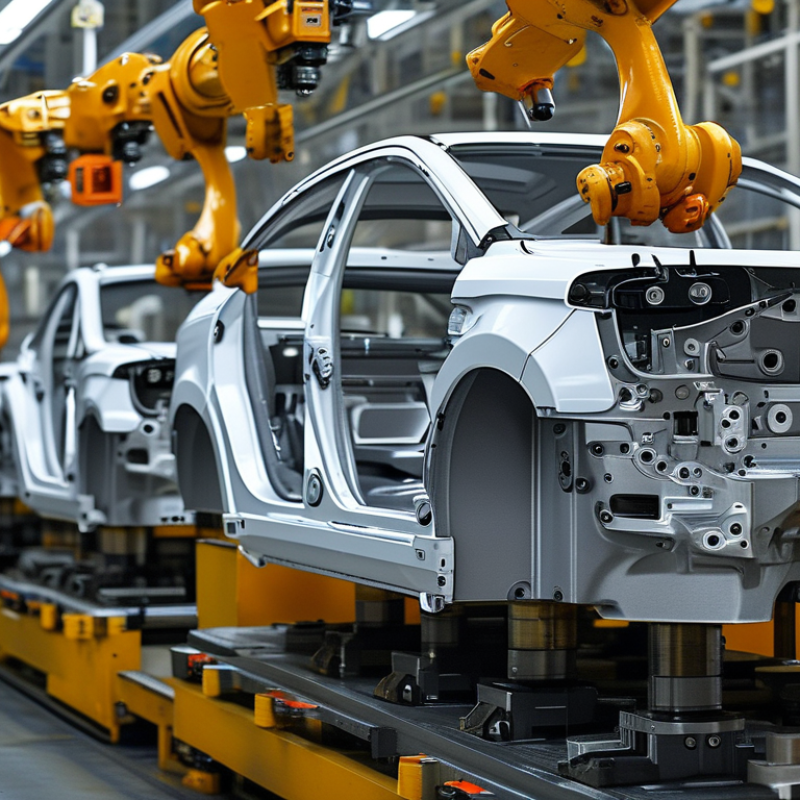
Precision manufacturing has become a cornerstone in the auto parts procurement process. This approach utilizes advanced technologies to create components with high accuracy and repeatability. According to a report by Deloitte, precision manufacturing can enhance productivity in the automotive sector by as much as 25%. This transformation is essential as the industry faces increasing pressure to improve efficiency while maintaining quality.
Precision manufacturing helps reduce waste and rework. A McKinsey study indicates that about 30% of costs in automotive manufacturing stem from inefficient production processes. By focusing on precision, manufacturers can optimize material usage and streamline assembly. It’s essential to understand that while precision methods may require higher initial investments, they lead to long-term savings and improved product reliability.
For effective procurement, consider building strong relationships with precision manufacturers. Engaging with suppliers who prioritize quality can reduce defects and lead times. Evaluate your suppliers’ capabilities regularly to ensure alignment with your needs. Monitor production metrics like defect rates and on-time delivery to gauge efficiency. Investing in precision manufacturing not only supports sustainability but also fosters innovation in the automotive supply chain, a significant factor in maintaining a competitive edge.
Precision manufacturing plays a critical role in auto parts procurement. This methodology focuses on creating parts that fit with exact specifications. It enhances the overall performance of vehicles by ensuring reliability. When auto parts meet precise dimensions, they reduce the risk of failure. This leads to safer vehicles on the road.
One key benefit of precision manufacturing is efficiency. Streamlined processes save time and resources. Using advanced technologies, manufacturers can produce high-quality parts quickly. This speed helps suppliers meet urgent demands. However, some manufacturers struggle with the initial investment required. It can be daunting for smaller companies. But, the long-term savings and benefits often outweigh the costs.
Another significant advantage is improved inventory management. With precise parts, companies can reduce waste and minimize returns. This creates a more reliable supply chain. Yet, achieving precision requires ongoing training and development. Not all teams have adapted to these new standards. Continuous education is vital for success in precision manufacturing. Investing in training can be a challenge, but it’s necessary for maintaining quality in procurement.
Sourcing precision manufactured auto parts poses unique challenges. The rise in demand for high-quality components is shifting how manufacturers operate. According to recent industry reports, approximately 75% of manufacturers face difficulties in securing reliable suppliers for precision parts. This trend highlights the critical nature of maintaining strong procurement strategies.
The complexity of precision manufacturing cannot be underestimated. Many suppliers struggle with meeting exact specifications, which can lead to production delays. A study indicates that 30% of auto parts sourced experience quality issues that necessitate rework or replacement. Such occurrences significantly increase costs and time, compelling manufacturers to rethink their supply chain approaches.
Another challenge arises from the volatility in material costs. Recent fluctuations impact sourcing strategies. For example, reports suggest that raw material prices can swing by 20% within a fiscal year. This unpredictability requires manufacturers to remain agile, often forcing them to invest in multiple suppliers. Establishing relationships with reliable partners can mitigate risks. However, many companies still find it challenging to balance quality, cost, and timely delivery.
Precision manufacturing plays a vital role in the auto parts procurement process. It ensures high standards in quality, accuracy, and consistency. This is critical in the automotive industry where safety and reliability are paramount. Best practices in procurement can enhance efficiency and reduce costs, while fostering strong supplier partnerships.
One important aspect is establishing clear specifications. This aids manufacturers in understanding the exact requirements. Accurate documentation minimizes errors during production. Engaging suppliers early in the design process can help identify potential challenges. Collaborative problem-solving often leads to innovative solutions that benefit both parties.
Another key practice involves regular performance reviews. Monitoring supplier capabilities ensures they meet quality expectations. Open lines of communication are essential for addressing issues promptly. An emphasis on continuous improvement can help both manufacturers and suppliers adapt to changing market demands. This reflection often uncovers inefficiencies that need addressing, fostering a culture of excellence within the supply chain.
Precision manufacturing is redefining the auto parts supply chain. This approach emphasizes high accuracy and consistency, critical for maintaining performance standards in vehicles. Recent industry reports indicate that precision parts can enhance product lifespans by over 30%. This statistic showcases its impact on both cost savings and efficiency.
Looking ahead, trends indicate that automation and AI are integral to precision manufacturing. By 2025, automated systems for quality control are projected to increase by 50%. These technologies minimize human error, ensuring that parts meet stringent specifications. The shift toward digital twinning and real-time data analytics will further optimize production processes.
However, challenges persist. Adapting to new technologies often requires significant investment. Many manufacturers report difficulties in training existing staff. Additionally, supply chain disruptions can jeopardize the availability of precision tools. Finding a balance between innovation and operational continuity is vital for firms aiming to leverage precision in auto parts procurement.
| Aspect | Description | Impact on Supply Chain | Future Trends |
|---|---|---|---|
| Cost Efficiency | Reduces waste and improves resource allocation. | Lowers overall production costs. | Adoption of advanced manufacturing technologies. |
| Quality Control | Ensures precise dimensions and tolerances. | Enhances product reliability and reduces defects. | Increased use of AI in quality assurance. |
| Speed of Production | Faster setup and production times. | Improves response time to market demands. | Integration of automation in manufacturing processes. |
| Customization | Allows for tailored products to meet specific needs. | Enhances customer satisfaction and loyalty. | Growth in demand for personalized automotive solutions. |
| Supply Chain Integration | Seamless flow of information between partners. | Reduces lead times and enhances collaboration. | Increased connectivity through IoT technologies. |
: Precision manufacturing creates components with high accuracy and repeatability. It utilizes advanced technologies in production.
It enhances productivity, reduces waste, and improves efficiency. These factors contribute to a more sustainable production process.
Initial investments may be higher, but long-term savings and improved product reliability often outweigh the upfront costs.
Strong relationships with precision manufacturers can reduce defects and lead times. Regular supplier evaluation is crucial for alignment.
Components built to exact specifications reduce the risk of failure. This leads to safer vehicles on the road.
They may struggle with the initial investments required for precision processes. These challenges can be daunting and require careful consideration.
With precise parts, companies can reduce waste and minimize returns. This fosters a more reliable supply chain.
Yes, continuous education is vital as teams adjust to new standards. Training investments can be challenging but essential for quality.
Advanced technologies allow for quick production of high-quality parts, supporting urgent supplier demands.
Companies should track production metrics, defect rates, and on-time delivery to assess efficiency and maintain quality.
Precision manufacturing is crucial for auto parts procurement due to its ability to enhance product quality and reduce waste. Understanding precision manufacturing involves recognizing its significant role in the auto industry, where tighter tolerances and intricate designs are paramount. The key benefits include improved accuracy, consistency, and the potential for cost savings in sourcing parts. However, sourcing precision-manufactured auto parts also comes with challenges such as higher initial costs and the need for advanced technologies.
To navigate these challenges, best practices for effective procurement include building strong supplier relationships and investing in technology that supports precision manufacturing processes. Looking forward, the future trends indicate a growing integration of smart technologies and automation in the supply chain, emphasizing why precision manufacturing is important for auto parts. This evolution holds the promise of further optimizing procurement processes and enhancing the competitiveness of the auto industry.

Yihe Auto