How Sustainable Is Modern Auto Parts Manufacturing?

Time:2026-09-30 Author:Ethan
0%

How sustainable is modern auto parts manufacturing? The question reaches beyond electric vehicles and factory emissions. It includes steel, aluminium, plastics, batteries, logistics, worker safety, and end-of-life recovery. A factory may install rooftop solar while still purchasing carbon-intensive metals. That contradiction deserves attention.

The International Energy Agency reported nearly 14 million electric car sales in 2023, representing about 18% of global car sales. This transition increases demand for motors, power electronics, battery enclosures, and lightweight structures. However, the IEA also stresses that mineral extraction, processing, and supply-chain emissions remain important challenges. The International Aluminium Institute reports that recycled aluminium requires roughly 5% of the energy used for primary aluminium production. That figure explains why clean scrap sorting matters beside the production line.

Manufacturers are responding with renewable electricity, closed-loop water systems, recycled polymers, and digital traceability. Real examples include stamping plants that reuse aluminium offcuts and suppliers that monitor electricity per component. Yet sustainability claims can become vague without verified boundaries. The European Automobile Manufacturers’ Association has highlighted vehicle age, fleet renewal, and recycling as connected policy issues. Manufacturing data also differs between factories, regions, and reporting methods. Comparisons are not always fair.

This article examines materials, energy, waste, transport, and supplier accountability. It uses findings from the IEA, the International Aluminium Institute, and other established industry sources. The evidence is promising, but incomplete. A lower-carbon component can still carry social or environmental costs elsewhere. Honest analysis must acknowledge that uncertainty.
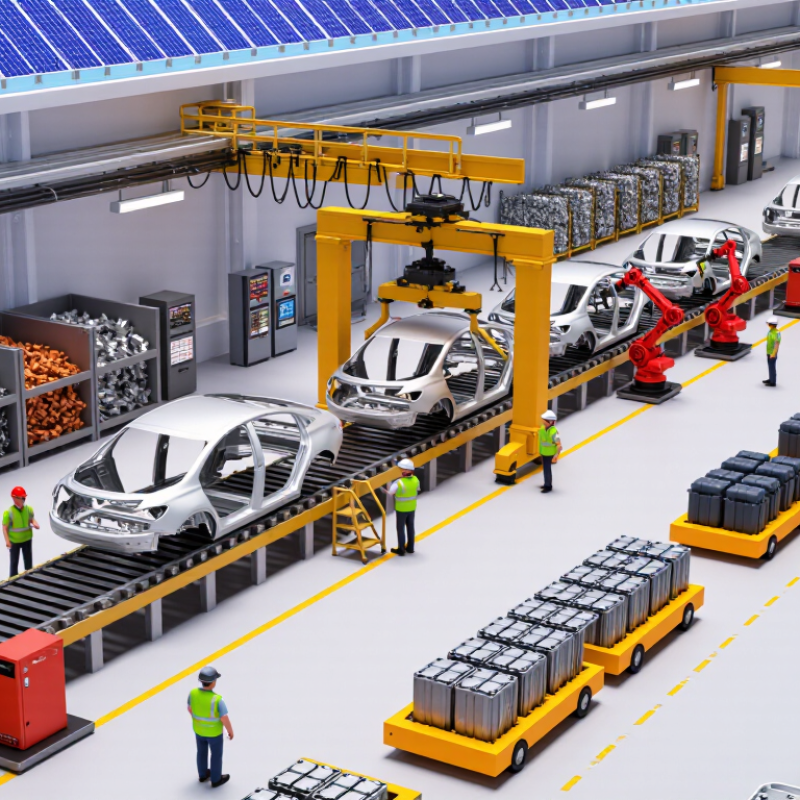
How Sustainable Is Modern Auto Parts Manufacturing?

Defining Sustainability in Modern Auto Parts Manufacturing

Sustainability in modern auto parts manufacturing means reducing environmental harm while making parts that remain safe, durable, and practical to produce. It is not just a recycling target. It includes the energy used to form steel, the water used to cool equipment, and the scrap left beside a stamping line. A factory may track electricity per part, material waste, and water use. Those numbers help, but they do not tell the whole story. Not quite.

A useful definition also considers a part’s working life and what happens when it wears out. A lighter component can reduce vehicle energy use, yet its production may require more processing. Recycled material can lower demand for new resources, but its quality must suit the part’s function. These trade-offs need testing, not slogans. In practice, engineers might compare production samples, inspect rejected parts, and check whether a component can be separated for recovery. Small changes matter. A sharper cutting plan can reduce offcuts; routine equipment maintenance can prevent wasted power and defective batches. Still, sustainability claims should be based on measured results, with clear boundaries around what was counted. Some impacts remain difficult to measure, and that is worth admitting. A realistic definition keeps safety, worker conditions, resource use, and product durability in view, rather than treating one improved metric as proof of a sustainable factory.

Raw Materials, Energy Use, and Production Processes

How Sustainable Is Modern Auto Parts Manufacturing?

Raw Materials, Energy Use, and Production Processes

Auto parts manufacturing begins with choices about steel, aluminum, polymers, and rubber. Recycled content can lower mining demand and reduce waste. Yet its quality varies between suppliers and production batches. That variation may increase defects, rework, and energy consumption. Material traceability matters. Digital records can connect each shipment with recycled content and processing data. Small gaps remain.

Energy use often hides inside routine operations. Heat treatment, casting, and metal cutting can consume substantial electricity and natural gas. Efficient motors, better insulation, and heat recovery can reduce this burden. On the shop floor, simple losses are common. Idle compressors waste power. Renewable electricity helps, but clean power is not always available when furnaces operate. Manufacturers still need practical storage or flexible production schedules.

Production processes shape both emissions and durability. Cold forming may use less material than machining, but it requires accurate tooling and careful maintenance. Additive methods can reduce scrap for selected components, although their electricity demand remains significant. Robotic inspection can detect cracks before assembly and prevent unnecessary recalls. Still, automation does not remove every problem. A rejected batch can erase weeks of efficiency gains. Responsible plants measure scrap, water, energy, and worker safety together. Some improvements shift impacts elsewhere. That tension deserves regular review.

Environmental Impacts Across the Auto Parts Life Cycle

Environmental Impacts Across the Auto Parts Life Cycle

A brake rotor begins its environmental story before it reaches a factory. Mining, refining, and transporting iron ore consume energy, while steelmaking adds substantial emissions. The World Steel Association reported an average of 1.91 tonnes of CO₂ per tonne of crude steel in 2022. That figure makes material choice consequential, even for parts hidden behind a wheel. Aluminum can reduce component weight, but primary production is energy-intensive. The International Aluminium Institute estimated average emissions of about 16.6 tonnes of CO₂-equivalent per tonne of primary aluminum in 2022. Recycled metal generally requires less energy than primary production, though collection and sorting are not impact-free.

Factory operations add another layer. Heat treatment, machining, coatings, and scrap rates all shape a part’s footprint. A clean factory floor does not tell the whole story. Nor does a lighter vehicle part automatically mean a lower life-cycle impact; durability and replacement frequency matter too. During vehicle use, lighter components may reduce energy demand, especially in vehicles that travel long distances. At end of life, recoverable metals can return to production, while mixed materials and bonded coatings make separation harder. The International Energy Agency identifies steelmaking as a major industrial emissions source, reinforcing the value of lower-carbon energy and material efficiency across supply chains. Still, supplier data can be incomplete, and estimates differ by region. That uncertainty deserves attention, not a polished claim.

How Sustainable Is Modern Auto Parts Manufacturing? — Environmental Impacts Across the Auto Parts Life Cycle
Life-Cycle Stage Typical Materials or Activities Indicative Energy Demand Indicative GHG Emissions Primary Environmental Impacts Key Sustainability Opportunities
Raw Material Production: Steel Iron ore reduction, steelmaking, casting, rolling and forming 20–35 MJ/kg of steel 1.4–2.3 kg CO₂e/kg High energy use, process emissions from coke and limestone, mining waste and air pollutants Increase recycled steel content, use electric-arc furnaces, improve renewable electricity supply and reduce material weight
Raw Material Production: Primary Aluminum Bauxite mining, alumina refining and electrolytic aluminum production 45–75 MJ/kg of aluminum 8–16 kg CO₂e/kg Very high electricity demand, mining disturbance, red-mud waste and process emissions Use recycled aluminum, increase renewable electricity, improve smelting efficiency and design parts for easy separation
Raw Material Production: Recycled Aluminum Collection, sorting, shredding, remelting and alloy adjustment Approximately 5–10% of primary aluminum energy demand About 0.4–1.5 kg CO₂e/kg Collection losses, alloy contamination and electricity-related emissions Improve closed-loop collection, identify alloy grades and avoid composite designs that prevent recovery
Raw Material Production: Plastics and Elastomers Polymer production, additives, compounding and rubber processing 70–100 MJ/kg of polymer 2–4 kg CO₂e/kg Fossil resource use, chemical emissions, microplastic release and end-of-life challenges Use recycled or bio-based feedstocks where technically suitable, reduce additives and mark polymer types clearly
Part Manufacturing Stamping, forging, casting, machining, injection molding, heat treatment and joining 2–20 MJ/kg of finished part 0.1–1.5 kg CO₂e/kg Electricity and fuel consumption, metal scrap, cutting fluids, process chemicals and noise Optimize process parameters, use energy-efficient equipment, recover scrap and reduce machining allowance
Surface Treatment and Coating Cleaning, phosphating, electroplating, painting, powder coating and corrosion protection 0.5–5 MJ/kg of treated part 0.03–0.4 kg CO₂e/kg Water consumption, hazardous chemical use, volatile organic compounds and wastewater treatment requirements Adopt water-based or powder coatings, use closed-loop rinsing and substitute hazardous substances
Packaging and Distribution Protective packaging, warehousing and transport by road, rail, sea or air Freight transport: roughly 0.2–1.5 MJ/t·km Approximately 0.01–0.12 kg CO₂e/t·km Fuel consumption, transport emissions, packaging waste and damage-related replacement parts Use reusable packaging, increase load efficiency, shorten supply routes and avoid air freight where possible
Use Phase Part operation, maintenance, replacement and effects on vehicle mass or efficiency Highly application-dependent Potentially significant over the vehicle lifetime Additional fuel or electricity consumption, tire and brake particle emissions, maintenance waste and premature replacement Design durable, lightweight and energy-efficient components; enable repair instead of full-unit replacement
End-of-Life Processing Dismantling, reuse, remanufacturing, shredding, material separation and disposal Recycling generally requires less energy than primary material production Net benefits depend on recovery yield and displaced virgin material Landfill risk, material losses, mixed-material separation problems and hazardous residue management Design for disassembly, identify materials, expand remanufacturing and use high-quality closed-loop recycling
Overall Life-Cycle Priority Combined effects from materials, production, logistics, use and end-of-life Material selection is often a major determinant Carbon intensity varies widely by material, electricity mix and service life Trade-offs may occur between weight reduction, durability, recyclability, cost and chemical safety Apply life-cycle assessment, report product carbon footprints and select solutions based on total life-cycle performance
Data interpretation: The values are indicative global ranges compiled from commonly reported life-cycle assessment and industrial energy-intensity literature. Actual results vary with material grade, recycled content, manufacturing technology, electricity mix, geographic location, transport mode, part lifetime and recycling efficiency.
Reference basis: ISO 14040 and ISO 14044 life-cycle assessment principles; IPCC greenhouse-gas accounting methods; International Energy Agency industrial energy data; publicly available material life-cycle inventory studies and peer-reviewed automotive manufacturing research.

Waste Reduction, Recycling, and Circular Manufacturing

Modern auto parts manufacturing is becoming less wasteful, but progress remains uneven. In a well-run plant, metal offcuts are sorted beside stamping presses, not mixed with general waste. Clean separation improves recycling value and reduces processing energy. Production teams can measure scrap rates, coolant use, water consumption, and rejected components each shift. These records make environmental claims more reliable. Data matters.

Recycling is only one part of circular manufacturing. Designers can specify recycled alloys, removable fasteners, and components that are easier to repair or remanufacture. A returned brake housing, for example, may be inspected, cleaned, machined, and tested before re-entering production. That process saves material, though it still requires energy, skilled labor, and strict quality controls. Traceability is essential. Without it, recycled content may be overstated, and safety decisions become harder to verify.

In practice, factories face uncomfortable trade-offs. Recycled inputs can vary more than new materials, causing defects or additional testing. Transporting used parts to distant processing sites may also erase some environmental gains. Factory audits often reveal failures caused by unclear sorting rules. Training, practical bins, and worker feedback are not glamorous, but they determine whether circular systems work. The industry still needs better lifecycle data and more honest reporting. Good intentions are not enough.

How Sustainable Is Modern Auto Parts Manufacturing?

This chart shows the European Union’s minimum end-of-life vehicle targets by weight. Since 2015, at least 85% of a vehicle must be reused or recycled, while 95% must be reused or recovered. These targets encourage manufacturers to reduce production waste, increase recyclable content, and design components for disassembly and material recovery.

Source: European Union End-of-Life Vehicles Directive 2000/53/EC.

Technologies and Policies Shaping Sustainable Auto Parts Production

Modern auto parts manufacturing is being reshaped by cleaner technologies and stricter policies. The International Energy Agency reported nearly 14 million electric car sales in 2023, representing about 18% of global new-car sales. This shift increases demand for lightweight alloys, power electronics, and battery components. Factories are responding with closed-loop aluminum recycling, automated material sorting, and digital twins that reduce trial production. Renewable electricity also lowers manufacturing emissions, especially during heat-intensive casting and forging.

Policy now drives many investment decisions. The European Union’s Batteries Regulation requires stronger carbon-footprint reporting, supply-chain due diligence, and minimum recycled-content targets for selected materials. The International Energy Agency also notes that battery manufacturing can become less carbon-intensive through cleaner electricity and efficient production. However, technology is not a perfect fix. Sensors need materials, software needs energy, and recycled feedstock may not always meet strict safety specifications. Factory data also remains inconsistent, making comparisons difficult. That weakness deserves more attention.

Tips: Track energy, water, scrap, and transport emissions by production line. Set measurable targets, then verify them with third-party audits. Use recycled metal where safety allows. Train operators to question automated recommendations. A cheaper process is not always a sustainable one.

FAQS

Which raw materials are commonly used in auto parts manufacturing?

Common materials include steel, aluminum, polymers, and rubber. Recycled content can reduce mining demand and factory waste. Quality may vary between suppliers and batches.

Why does recycled material need careful monitoring?

Recycled metal usually requires less energy than primary production. However, impurities can cause defects, rework, or rejected batches. Traceability helps connect shipments with processing records.

Which factory operations often consume the most energy?

Heat treatment, casting, and metal cutting can use substantial electricity and natural gas. Idle compressors also waste power. Small losses matter.

How can factories reduce energy consumption?

Efficient motors, improved insulation, and heat recovery can lower energy use. Renewable electricity helps during casting and forging. Storage or flexible schedules may still be necessary.

Does a lighter auto part always have a lower environmental impact?

No. Aluminum can reduce vehicle weight, but primary production is highly energy-intensive. Durability and replacement frequency also affect total impact.

How do manufacturing methods influence sustainability?

Cold forming may use less material than machining. Additive methods can reduce scrap for selected parts, but their electricity demand remains significant. Tooling must stay accurate.

What happens to auto parts at the end of their useful life?

Recoverable metals can return to production. Mixed materials, bonded coatings, and complex assemblies make separation harder. Some material is still lost.

Can automation solve every production problem?

No. Robotic inspection may detect cracks before assembly and reduce unnecessary recalls. Yet sensors, software, and automated decisions need oversight. A rejected batch can erase weeks of gains.

What should manufacturers measure when reviewing sustainability?

Track energy, water, scrap, transport emissions, and worker safety by production line. Use measurable targets and independent audits. Data remains incomplete sometimes.

Are cleaner technologies a perfect solution?

No. Digital systems and renewable equipment also require materials and energy. Recycled feedstock may fail strict safety specifications. Sustainable decisions need regular review.

Conclusion

How sustainable is modern auto parts manufacturing? The answer depends on how thoroughly sustainability is considered across the entire production life cycle. It begins with selecting responsibly sourced raw materials, reducing energy and water consumption, and improving manufacturing processes to limit emissions and resource waste. Lightweight materials, efficient equipment, renewable energy, and safer production methods can help reduce the environmental footprint while maintaining quality and safety.

Sustainability also extends beyond the factory. Auto parts affect the environment through transportation, product use, maintenance, and end-of-life disposal. Waste reduction, component reuse, material recovery, and circular manufacturing can keep valuable resources in circulation and reduce landfill pressure. At the same time, automation, data monitoring, cleaner technologies, and supportive environmental policies are encouraging manufacturers to improve efficiency and accountability. Although challenges remain, modern auto parts production can become significantly more sustainable when innovation, responsible material management, recycling systems, and long-term environmental goals are integrated into every stage.

Ethan

Ethan

Ethan is a seasoned marketing professional with a deep expertise in our company's innovative product line. With a passion for sharing knowledge and insights, he takes the lead in regularly updating our corporate blog, where he explores industry trends, product features, and effective marketing......