What Is Driving Global Buyers to China Auto Parts Suppliers?

Time:2026-09-15 Author:Charlotte
0%

China’s auto parts industry has become a practical sourcing destination for buyers worldwide. The appeal extends beyond lower prices. Global purchasers now examine engineering capability, production consistency, delivery performance, and supplier transparency before placing orders.

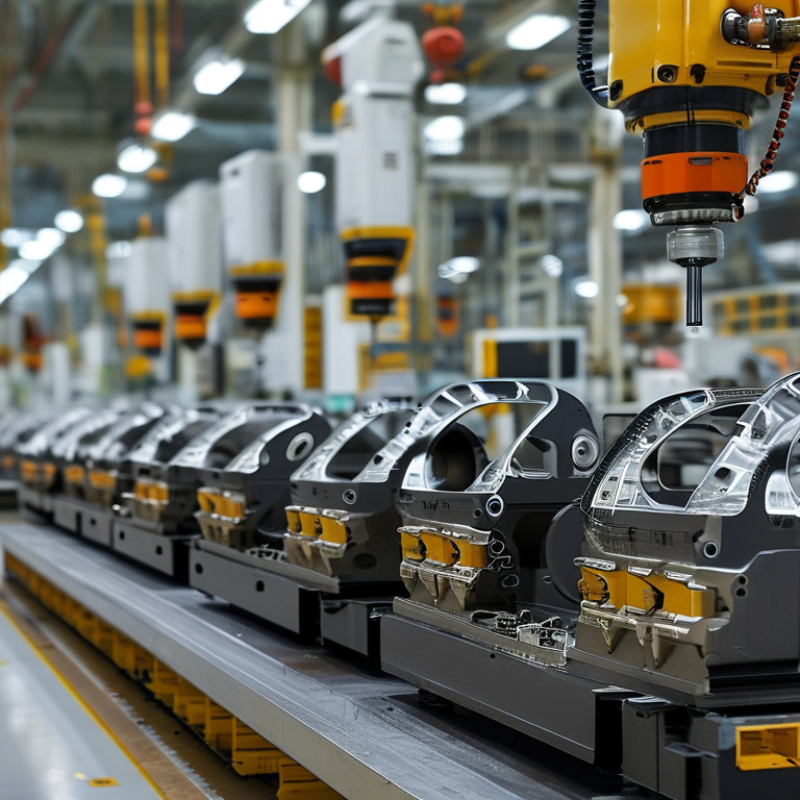
A factory visit may reveal automated stamping lines, calibrated measuring equipment, and workers checking surface defects under bright inspection lamps. These details matter when a replacement bearing, brake component, or electrical connector must fit without costly rework. Many established suppliers support OEM and aftermarket programs, provide samples, and maintain documented quality systems. Independent audits, material certificates, traceability records, and pre-shipment inspections can further reduce uncertainty. This is where why global buyers choose china auto parts suppliers becomes a useful question, not a simple marketing slogan.

Competitive tooling costs and flexible production volumes also influence purchasing decisions. China’s dense manufacturing clusters connect parts makers with mold suppliers, logistics providers, testing laboratories, and packaging specialists. That ecosystem can shorten development cycles and support product customization. However, distance, communication gaps, inconsistent documentation, and changing freight conditions still create real risks. Not every supplier performs equally. Price alone can mislead.

Experienced buyers usually compare several quotations, verify factory credentials, test samples, and define acceptance standards in writing. They also review warranty terms, production capacity, lead times, and responsible business practices. Results may vary by region, component, and supplier maturity. A careful sourcing process remains essential. The strongest partnerships grow through measurable quality, honest communication, and repeated delivery performance—not promises made during the first video call.
What Is Driving Global Buyers to China Auto Parts Suppliers?

China’s Position in the Global Auto Parts Supply Chain

China’s position in the global auto parts supply chain is not built on low prices alone. In 2023, China produced 30.16 million vehicles, according to the China Association of Automobile Manufacturers. It also exported 4.91 million vehicles that year. This production scale supports dense networks for castings, electronics, lighting, braking, and interior components. Buyers can often compare several qualified suppliers within one industrial corridor. That proximity shortens sampling cycles. It also reveals a weakness: crowded clusters can produce uneven quality control.

The component base is becoming more strategic. General Administration of Customs data reported China’s auto parts exports at roughly 95 billion US dollars in 2023. The International Energy Agency’s Global EV Outlook 2024 found that China represented over 60% of global electric car sales. It also held more than 75% of global battery cell manufacturing capacity. This concentration improves access to cells, power electronics, thermal systems, and lightweight materials. However, scale does not guarantee consistency.

For global buyers, resilience matters as much as unit cost. A practical supplier review should examine material certificates, process capability, traceability, and export documents. Samples need testing under heat, vibration, and corrosion. Visual inspection is not enough. A cheap quotation can become expensive after tooling changes, rejected batches, or delayed approval. China remains influential because manufacturing scale, engineering talent, and component ecosystems reinforce one another. The data is convincing, but incomplete. Logistics disruptions, compliance changes, and communication gaps still require local verification and backup planning.

Key Cost Advantages of Chinese Auto Parts Suppliers

Global buyers often turn to China auto parts suppliers because the cost structure is unusually competitive. Large manufacturing clusters place machining, stamping, casting, finishing, and packaging services close together. This reduces transport between production stages and shortens purchasing cycles. Labor costs can also be lower, especially for labor-intensive assembly and inspection work. The advantage is practical, not magical.

Tooling expenses are another important factor. Chinese suppliers commonly spread mold and fixture costs across larger production volumes. This can reduce the unit price for repeat orders. Local access to steel, aluminum, plastics, and electronic components may further improve material pricing. In supplier audits, buyers often compare material invoices, process times, scrap rates, and energy consumption. A low quotation means little without these details.

Quantity matters greatly. Higher volumes usually create stronger price leverage, while small orders may carry tooling or setup charges. Freight, import duties, testing, and corrective work must remain in the calculation. The cheapest offer can become expensive after delays or inconsistent dimensions. That lesson is easy to miss. Reliable buyers usually request sample approval, process records, inspection data, and clear delivery terms before signing. Chinese suppliers can provide strong value, but quality control still requires active oversight. No sourcing model is perfect, and even experienced purchasing teams sometimes underestimate communication delays or specification changes.

Manufacturing Quality, Technology, and Product Variety

Global buyers are looking beyond low prices when evaluating China auto parts suppliers. In supplier audits, purchasing teams often inspect machining lines, warehouse controls, and final inspection records. A clean workshop helps, but process discipline matters more. Parts should match approved drawings, material specifications, and tolerance requirements. Small deviations can create serious fitting problems during installation.

Manufacturing quality becomes clearer through practical evidence. Reliable suppliers use coordinate measuring machines, torque testing, surface checks, and batch traceability. They can explain where a component was produced and how it was inspected. Many facilities also use automated production equipment and digital quality systems. These tools reduce human error, although they do not remove it completely. No factory is flawless.

Technology also supports faster product development. Suppliers may offer 3D scanning, rapid prototyping, and engineering support for customized components. This is valuable when buyers need revised dimensions or improved durability. Product variety creates another advantage. One capable supplier may provide suspension parts, brake components, engine accessories, and electrical assemblies. That can simplify sourcing and reduce communication delays. Still, a wide catalog should not be accepted without evidence. Buyers need sample testing, clear technical documents, and consistent production data. I have seen impressive samples fail during larger orders, so production capacity deserves the same attention as product design. Honest communication about limitations often proves more valuable than confident promises.

Export Networks, Customization, and Buyer Support

Global buyers increasingly look to China auto parts suppliers for more than competitive pricing. They value export networks that connect factories with regional warehouses, freight forwarders, and experienced customs teams. A supplier with established routes can reduce delays when a shipment moves from Ningbo to Rotterdam or Santos. Clear export documents matter just as much. One missing specification can hold a container for days.

Customization is another strong reason. Buyers may request modified mounting holes, rubber hardness, packaging labels, or small-batch samples. Skilled suppliers usually confirm drawings, materials, tolerances, and testing requirements before production. That process protects both sides. It also reveals whether the supplier understands the buyer’s actual application. A responsive engineering contact can answer questions with photos, inspection records, and measured data. That feels practical.

Buyer support continues after dispatch. Reliable teams share production updates, packing images, tracking details, and replacement procedures. Some arrange video inspections before loading. Small details build confidence. Still, no sourcing process is flawless. Measurements can be misunderstood, and delivery estimates can change during peak seasons. I have found that written approvals reduce arguments, although they can slow decisions. Buyers should also verify samples independently and review quality records instead of trusting polished promises. Good support is not constant reassurance. It is visible evidence, prompt communication, and a willingness to correct mistakes.

Risks and Considerations for Global Automotive Buyers

What Is Driving Global Buyers to China Auto Parts Suppliers?

China’s dense manufacturing network offers competitive pricing, fast tooling, and broad component capacity. The International Energy Agency reported that China produced over 70% of global electric vehicles in 2023. That scale supports batteries, motors, castings, sensors, and electronic modules. However, scale does not guarantee consistent quality.

Global buyers face several practical risks. Supplier audits may reveal different process controls between factories and subcontractors. Material certificates can also require independent verification. The World Bank’s 2023 Logistics Performance Index ranked China 19th globally, yet shipping delays still occur during port congestion or geopolitical disruption. UNCTAD’s 2024 maritime report highlighted continued freight volatility. A low quote can become expensive after rework, tooling disputes, or customs delays.

Tips: Define inspection points before production. Require lot-level traceability and signed change-control procedures. Verify ownership of molds, drawings, and test data. Use independent laboratory testing for safety-critical parts. Screen suppliers against current customs and trade requirements. These steps sound basic. They are often missed. Buyers should also compare total landed cost, not only the factory price. Currency movement, insurance, packaging, and warranty exposure can change the calculation. I would not treat a supplier’s certificate as final evidence. It is useful, but imperfect. A cautious review of capacity, subcontracting, cyber controls, and recall procedures gives purchasing teams clearer risk visibility.

FAQS

Why do global buyers consider China for auto parts?

China produced about 30.16 million vehicles in 2023. Its factories cover castings, lighting, electronics, braking, and interiors. Many qualified suppliers may operate within one industrial corridor. That proximity can shorten sampling and tooling cycles.

Does China compete only through low prices?

No. Manufacturing scale, engineering skills, and dense supplier networks also matter. A factory may offer quick tooling and nearby component support. Low prices help. They are not everything.

Which electric vehicle components are widely available?

Buyers can often source battery cells, motors, power electronics, and thermal systems. China represented over 60% of global electric car sales in 2023. It also held more than 75% of global battery cell capacity. Scale improves access, but consistency still needs checking.

What quality risks should buyers expect?

Crowded industrial clusters can show uneven process control. Factories and subcontractors may follow different inspection standards. A polished sample does not prove stable mass production. That gap deserves attention.

How should buyers test automotive components?

Test samples under heat, vibration, and corrosion. Check dimensions, materials, electrical performance, and durability. Visual inspection alone is insufficient. Safety-critical parts should receive independent laboratory testing.

What documents should a supplier provide?

Request material certificates, export documents, process records, and lot-level traceability. Require signed procedures for design and process changes. Verify mold ownership, drawings, and test-data access. Certificates help, but they are imperfect evidence.

How can buyers calculate the real purchasing cost?

Compare total landed cost, not just the factory quotation. Include tooling changes, freight, insurance, packaging, currency movement, and warranty exposure. Rejected batches can erase an attractive price. Cheap can become expensive.

What logistics problems may affect delivery?

Port congestion, freight volatility, and geopolitical disruptions can delay shipments. Customs requirements may also change during a project. Keep backup planning and realistic delivery buffers. Schedules are not always firm.

How can buyers reduce supplier risk?

Audit production capacity, subcontracting, cybersecurity controls, and recall procedures. Define inspection points before production begins. Use staged approvals for samples, tooling, and mass production. I would not rely on one supplier alone.

Conclusion

China has become a major force in the global auto parts supply chain, offering buyers a broad combination of production capacity, competitive pricing, and flexible manufacturing. The main reasons why global buyers choose china auto parts suppliers include lower production costs, extensive supplier networks, efficient sourcing, and the ability to provide products for many vehicle systems and applications. Chinese manufacturers are also investing in advanced equipment, quality control, engineering capabilities, and product development, helping them serve both standard and specialized requirements.

Beyond manufacturing, many suppliers support international buyers through export experience, customization, packaging options, documentation, and responsive communication. Their ability to handle different order volumes and adapt products to market needs can simplify global procurement. However, buyers should carefully evaluate supplier qualifications, product consistency, testing procedures, certifications, delivery reliability, intellectual property protection, and communication practices. A balanced assessment of cost, quality, compliance, and long-term service is essential for building a dependable international auto parts supply relationship.

Charlotte

Charlotte

Charlotte is a seasoned marketing professional with a deep understanding of the company's portfolio and a passion for elevating its presence in the market. With a keen eye for detail and a commitment to excellence, she ensures that our professional blog is regularly updated with insightful articles......