Direct-fit, corrosion-resistant engineering solutions designed to withstand high salinity, tropical humidity, and heavy operation demands.
A strategic whitepaper on emission systems, tropical corrosion mitigation, and macroeconomic supply chain resilience for Latin American transit networks.
Panama occupies a unique geographic and economic nexus. As the home of the Panama Canal and the Colón Free Zone (CFZ), the country is the primary logistical gateway for Central and South America. This status subjects its mechanical and automotive infrastructure to heavy-duty demands. Logistics corridors such as the Inter-American Highway and the Transisthmian corridor experience continuous flow of commercial heavy-duty trucks, container transport vehicles, and maritime auxiliary fleets.
These logistics operations require highly durable exhaust systems capable of handling prolonged idling, high payload stresses, and thermal cycling. Furthermore, the local climate is characterized by intense tropical heat, high relative humidity, and constant exposure to marine salinity. These factors accelerate oxidative rust and chemical corrosion. Inexpensive carbon steel exhaust parts break down quickly under these conditions. Consequently, fleet operators and distributors rely on premium grade alloys like SUS304 and SUS409L stainless steel to maintain uptime and avoid unexpected system failure.
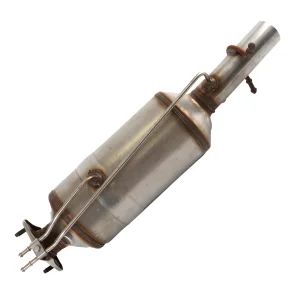
Globally, the exhaust system sector is shifting toward stricter emissions control, lightweighting, and acoustic engineering. The transition from Euro IV to Euro V and Euro VI standards across Latin America has increased the complexity of downstream catalytic converters and diesel particulate filters (DPFs). Advanced coatings utilizing Platinum, Palladium, and Rhodium are now required to meet emission limits.
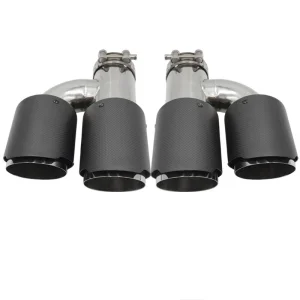
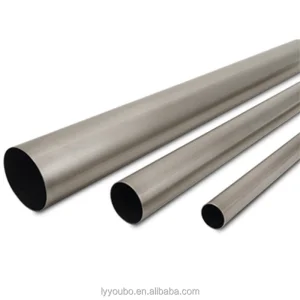
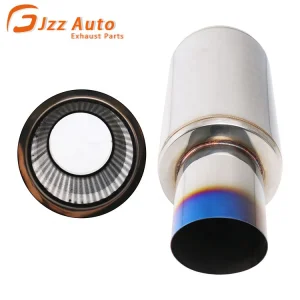
At the same time, vehicle manufacturers are working to reduce weight to improve fuel efficiency and lower CO2 emissions. This trend has increased the demand for high-strength materials. Thin-walled SUS304 piping, titanium alloys, and carbon fiber muffler tips are replacing heavier iron options. These materials maintain structural integrity under high heat while reducing weight, making them valuable for both commercial fleets and consumer performance tuning.
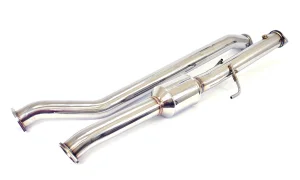
High-frequency transit along urban centers like Panama City requires exhaust systems that can manage frequent stops and low exhaust temperatures without clogging DPFs. Our high-flow catalytic solutions help prevent soot accumulation under these driving patterns.
Marine support vessels, canal tugs, and port equipment operate in coastal conditions with constant saltwater exposure. For these applications, SUS304 and Titanium Gr1/Gr2 components provide long-term resistance to rust and oxidation.
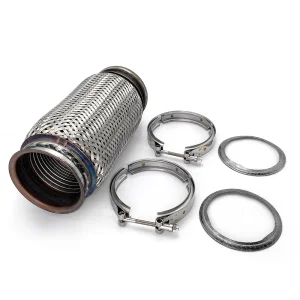
Long-haul trucks crossing the Inter-American Highway require robust components. Exhaust bellows and flexible pipe kits must absorb continuous vibrations, engine movements, and road shocks to protect the manifold and turbocharger assembly.
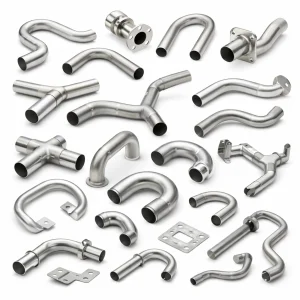
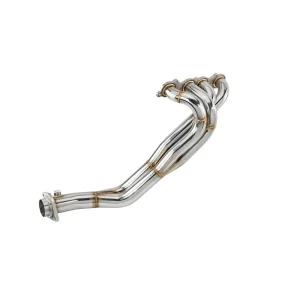
As internal combustion engines evolve, exhaust systems must handle higher pressures and temperatures. Our manufacturing processes utilize CNC mandrel bending to maintain uniform pipe diameters throughout bends, which helps minimize backpressure and optimize gas velocity. Robotic TIG welding produces consistent joints that resist thermal fatigue.
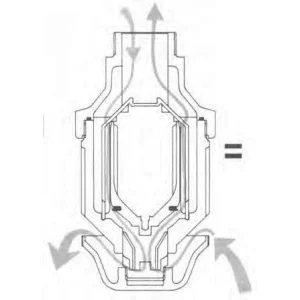
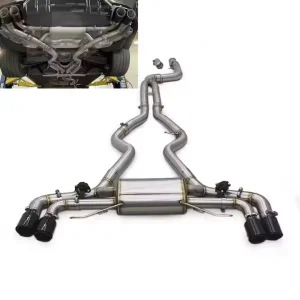
Additionally, active valve systems are becoming more common in modern performance setups. These systems use electronic or vacuum-actuated valves to change the exhaust path, providing a quiet sound profile for urban driving and a high-flow, unrestricted path for performance use. Looking ahead, the introduction of synthetic fuels and hydrogen combustion engines will bring new exhaust requirements, including water vapor management and high-temperature oxidation protection. We are designing our materials roadmap to meet these upcoming needs.
Behind this supply chain is Guangzhou Yihe Auto Co., Ltd., an established auto parts manufacturer specializing in engine components, suspension systems, and exhaust assemblies. Our production facilities operate under strict quality management frameworks, including ISO9001 and IATF16949 standards. This ensures every component meets precise dimensional tolerances and performance specs.
Our manufacturing process starts with raw material inspection using spectrometers to confirm the chemical composition of our stainless steel and titanium alloys. By using precise CNC bending and high-precision welding, we produce exhaust systems that fit correctly on assembly lines or in aftermarket installations. This precision helps reduce installation times for fleet mechanics and customization shops in Panama and the wider Latin American region.
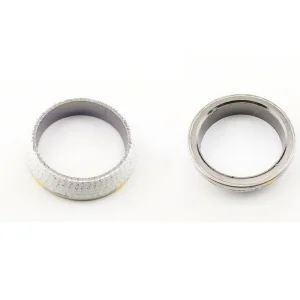
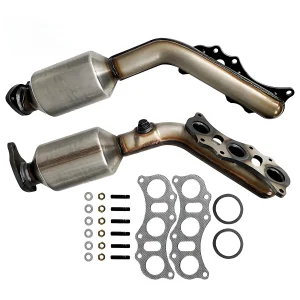
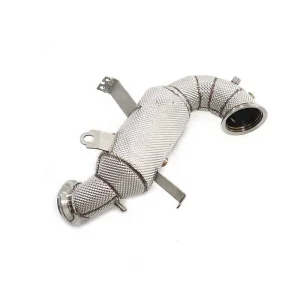
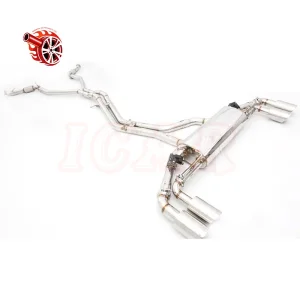
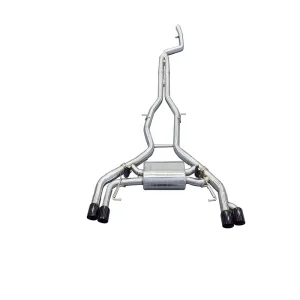
Explore our complete range of high-grade alloy tubes, catalytic units, gaskets, and vehicle-specific performance systems engineered for international markets.
Detailed technical answers for fleet buyers, distributors, and custom performance engineers operating in high-humidity tropical corridors.
 Yihe Auto