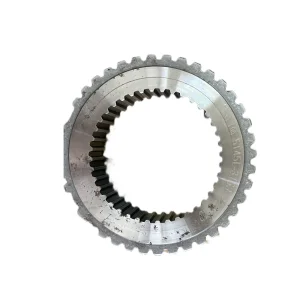
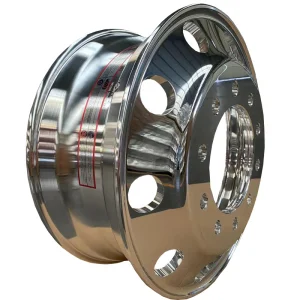
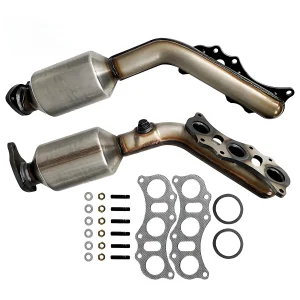
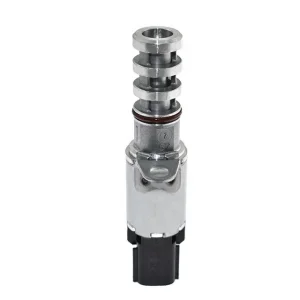
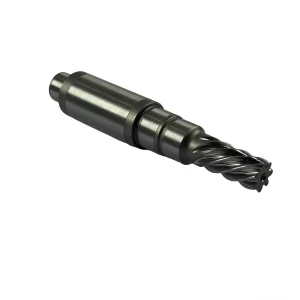
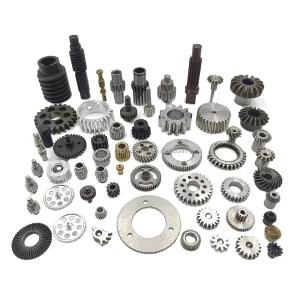
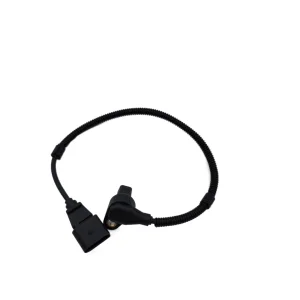
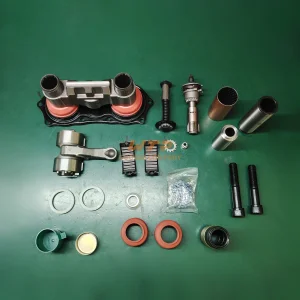
Explore our precision-manufactured auto parts, engineered for maximum performance, high durability, and seamless OEM integration.
Unlocking higher volumetric efficiency through precision cooling architecture and optimized core aerodynamics.
In forced induction systems, turbocharged or supercharged air becomes hot and dense. The primary goal of an intercooler (charge air cooler) is to reduce this temperature. By lowering intake air temperatures (IAT), the air density increases, introducing more oxygen into the combustion chamber. This volumetric leap optimizes combustion, preventing pre-ignition (knock) and enhancing overall engine horsepower and fuel efficiency.
An efficient intercooler is not merely defined by its cooling capacity; it is defined by the balance between heat dissipation and pressure drop. A massive core can cool air effectively, but if it restricts air flow, it places a heavy parasitic load on the turbocharger. China's top manufacturers optimize inner tube fins and micro-channel spacing to keep the pressure drop below 0.2 bar (2.9 psi) at peak boost.
Utilizing high-grade aluminum alloys such as 3003 and 6061, modern intercoolers are designed to withstand aggressive environmental conditions. The introduction of trace elements like manganese and zirconium significantly increases the thermal fatigue resistance of end tanks and tubes, ensuring that high-pressure cycles do not lead to core cracking over long lifespans.
Selecting the right cooling topography based on vehicle weight constraints, structural demands, and thermal load dynamics.
| Performance Metric | Tube-and-Fin Intercoolers | Bar-and-Plate Intercoolers | Application Guideline |
|---|---|---|---|
| Structural Weight | Lightweight (ideal for motorsports and passenger vehicles) | Heavy-duty (suitable for off-road, trucks, and industrial machinery) | Tube-and-fin reduces front-axle load, improving vehicle handling dynamics. |
| Heat Dissipation Speed | Fast initial heat rejection due to thinner outer walls | Slower initial transfer, but higher overall thermal heat-sink capacity | Bar-and-plate acts as a thermal buffer during sudden burst runs. |
| Structural Rigidity | Moderate; susceptible to high-speed road debris damage | Excellent; highly resistant to physical impact and high boost pressures | Use Bar-and-plate for off-road applications and high-boost diesel trucks. |
| Pressure Drop | Low resistance design leads to minimal flow restriction | Highly customizable internal fin shapes allow tailored flow dynamics | Must balance fin density (FPI) to match turbine output curves. |
| Manufacturing Cost | Lower cost at high volume due to automated high-speed pressing | Higher material usage and complex brazing cycles raise costs | OEM passenger vehicle production favors Tube-and-Fin systems. |
Discover the industrial capabilities of Guangzhou Yihe Auto Co., Ltd., driving global automotive quality standards.
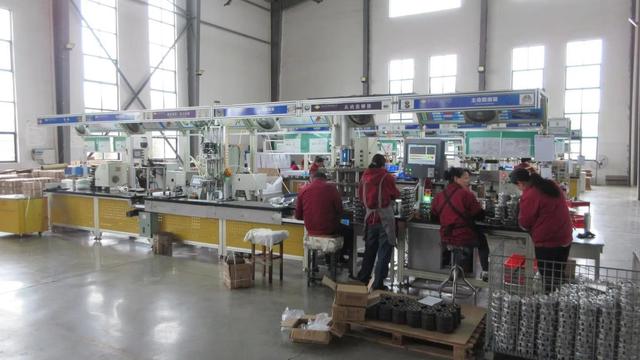
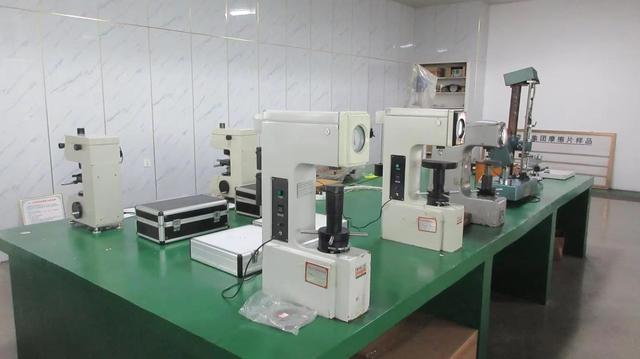
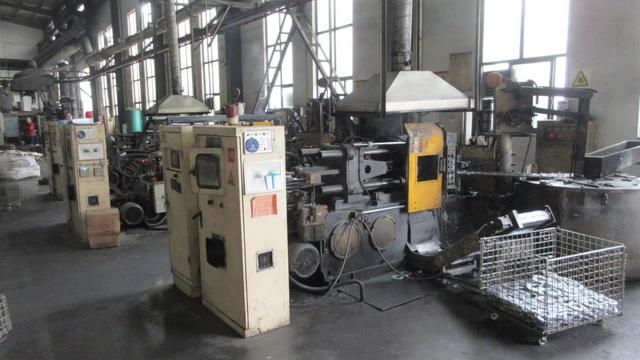
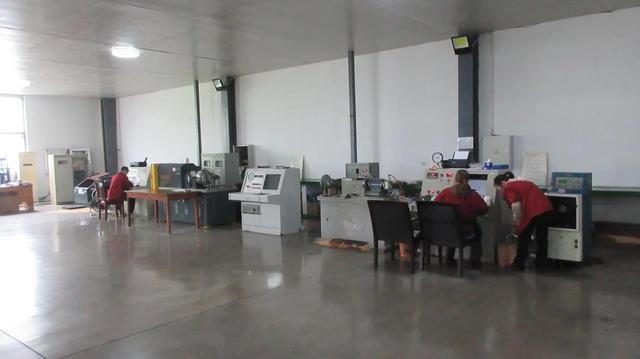
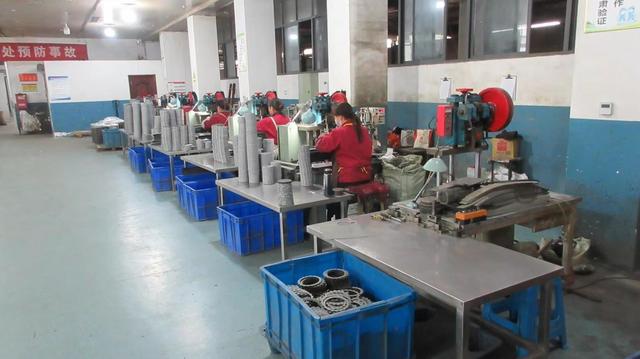
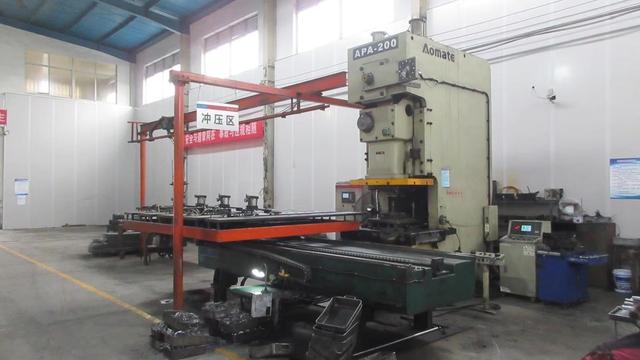
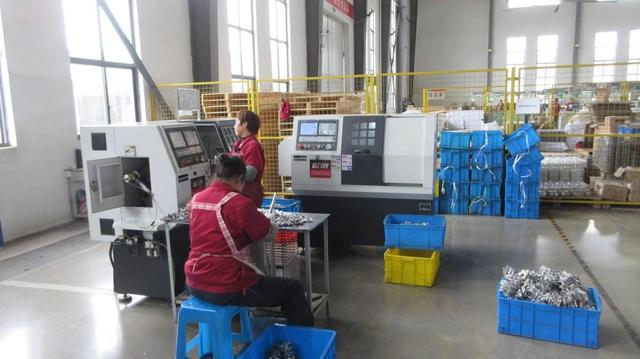
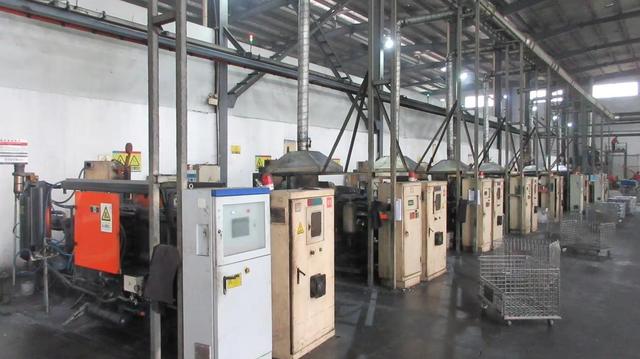
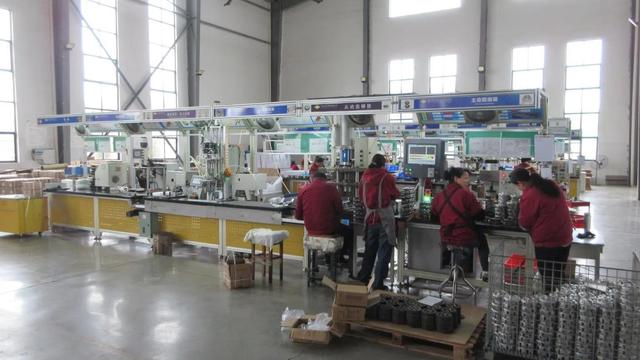
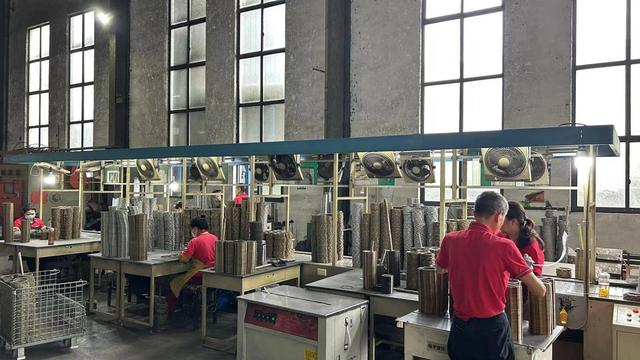
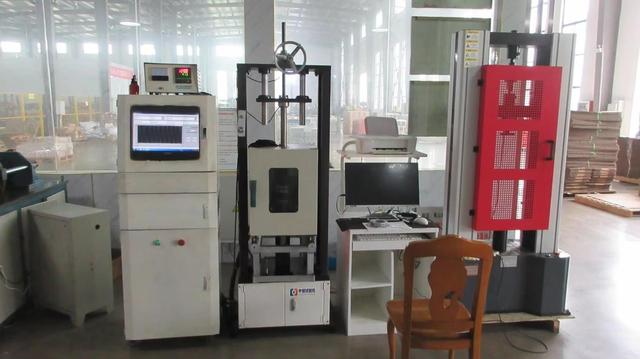
Pioneering the transition from traditional internal combustion cooling to multi-loop EV thermal management.
As passenger vehicles shift toward battery electric powertrains, the nature of the "intercooler" is transforming. Tomorrow's thermal solutions are liquid-to-air cooling modules integrated into complex battery thermal management units. By using chilling blocks powered by the vehicle's refrigeration loop, manufacturers keep batteries and electric drive motors within their optimal temperature zone, preventing thermal runaway and extending range.
Traditional fin geometry relies on standard extruded shapes. Through generative AI and advanced computational fluid dynamics (CFD), we design non-uniform, wave-like fin patterns that disrupt boundary air layers. This increases the local heat transfer coefficient by up to 22% without increasing physical pressure drop, a true technological breakthrough.
Reducing weight while increasing burst limits is the holy grail of intercooler manufacturing. We are piloting weldless, direct-bonded aluminum cores where tubes and tanks are fused through molecular diffusion bonding. This technology eliminates micro-voids common in manual welding, creating a component that can handle over 5.0 bar of boost pressure without fatigue.
A structured approach for international buyers to evaluate China-based intercooler manufacturers and manage cross-border risks.
Ensuring trace aluminum raw materials are backed by mill test certificates (MTC) to prevent impurities that degrade thermal conductivity.
Requiring Helium mass spectrometer leak testing and ultrasonic wall thickness measurements for high-stress areas.
Validation of CE, REACH, RoHS, and EPA compliance documents to guarantee smooth importation and zero regulatory delays.
Securing contract terms that guarantee stamping dies and casting molds for at least 500,000 production cycles.
Answering the most critical technical questions searched by automotive engineers and industrial procurement specialists.
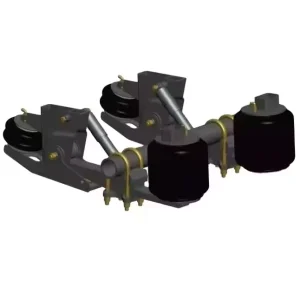
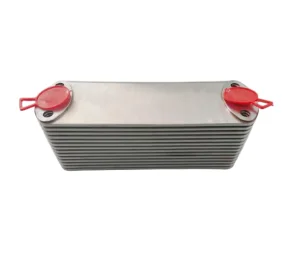
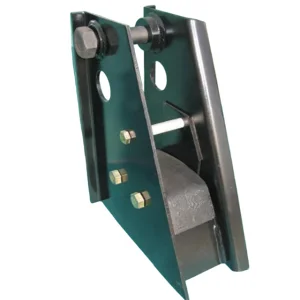
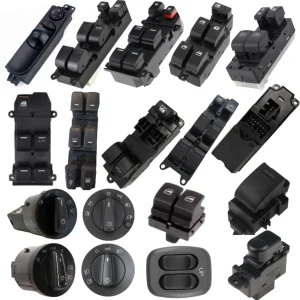
Explore our secondary line of heavy truck, suspension, oil cooling, and transmission system components, built for comprehensive fleet efficiency.
 Yihe Auto