The global automotive seating market is undergoing a profound paradigm shift. No longer viewed simply as structural support, modern seating systems represent a primary touchpoint of user experience (UX), driver safety, and aesthetic positioning. As autonomous driving technologies, electrification, and connected cabins redefine the relationship between passengers and vehicles, the demand for high-end automotive leather interiors is growing rapidly.
According to current industrial research, the global automotive seating market size is projected to exceed USD 85 Billion by 2030, registering a robust CAGR. This expansion is heavily driven by premium passenger vehicles, sport utility vehicles (SUVs), and high-end commercial transport systems. Globally, automotive interior engineers are looking for manufacturers who can integrate premium aesthetic cover materials (like natural Nappa leather, eco-friendly faux leather, and perforated synthetic materials) with structural integrity, electronic safety systems, and thermal systems (heated, ventilated, and massage seating).
“Sourcing premium leather seats is no longer just a soft-trim commodity acquisition. It requires complex cross-disciplinary coordination between chemical treatment plants, ergonomic designers, electrical engineers, and high-precision steel metal stamping and CNC machining shops to output safe, high-durability, and visually flawless seating assemblies.”
In mature automotive markets such as North America and Europe, strict regulatory requirements (such as Federal Motor Vehicle Safety Standards - FMVSS, and European ECE regulations) impose highly challenging testing criteria. Seats must withstand extreme physical forces during crash test simulations while maintaining occupant posture. Furthermore, the skin-contact nature of leather coverings demands non-hazardous, low-VOC emission processing, positioning strict environmental guidelines (e.g., REACH, RoHS) at the center of supply chain qualifications.
China is home to the most mature, vertically integrated, and cost-efficient automotive supply chains in the world. When global Tier-1 suppliers and OEMs partner with Chinese manufacturers, they leverage critical advantages that go far beyond labor cost efficiencies: automation, engineering depth, flexible manufacturing tooling, and raw material access.
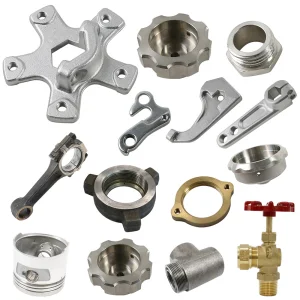
Unlike regional suppliers that source separate brackets, leather hides, electronic switches, and wire harnesses from multiple international points, Chinese hubs integrate everything. For example, a single seating assembly requires precision CNC machined brackets, special solenoid coils for motorized adjustments, integrated electrical wiring harnesses, and custom cast hardware. Having these specialized processes centralized in industrial zones like Guangzhou allows manufacturers to coordinate with local component suppliers seamlessly, shortening lead times from months to weeks.
Modern Chinese factories utilize high-end automated machinery to guarantee consistent quality. Computerized nesting software maximizes the surface yield of leather hides, reducing waste. CNC water-jet and laser cutting systems precisely trace structural patterns down to fractions of a millimeter. Automated multi-axis sewing robots stitch complex structural seams, ensuring uniform tension and stitch length that human hands cannot replicate. These processes drastically reduce defects, resulting in a significantly lower PPM (parts per million) rate for global shipments.
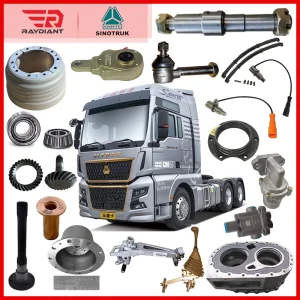
At the center of China's premium automotive supply chain is Guangzhou Yihe Auto Co., Ltd., a professional Auto Parts Manufacturer | Engine Components, Suspension Parts & Automotive Systems. Yihe Auto is highly dedicated to providing high-quality automotive components and customized manufacturing solutions for global vehicle manufacturers, distributors, wholesalers, and aftermarket suppliers. With years of industry experience, the company serves a wide range of automotive sectors, including passenger vehicles, commercial trucks, electric vehicles, and industrial transportation equipment.
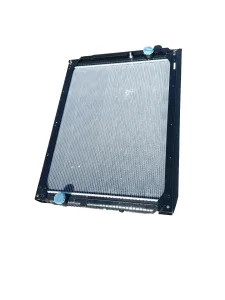
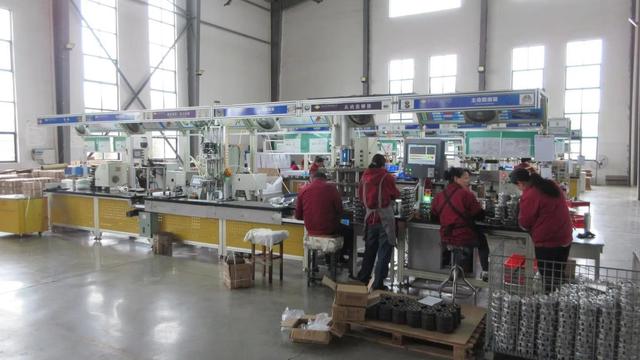
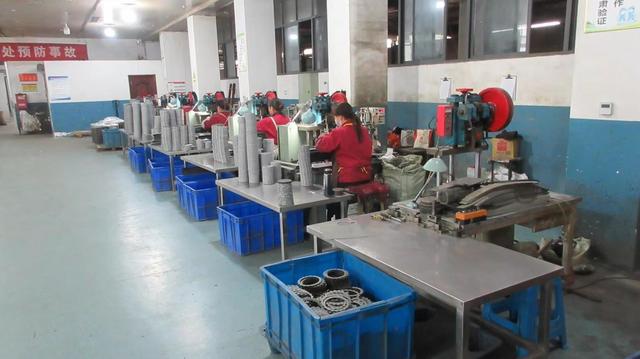
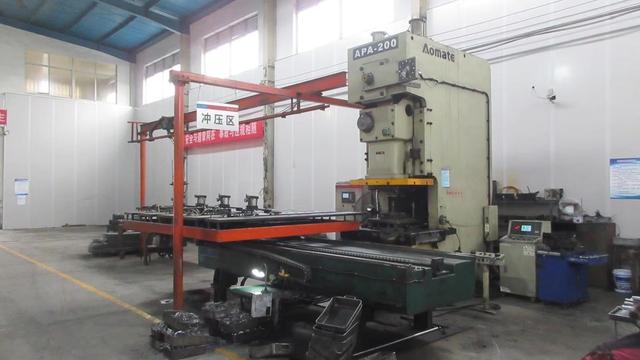
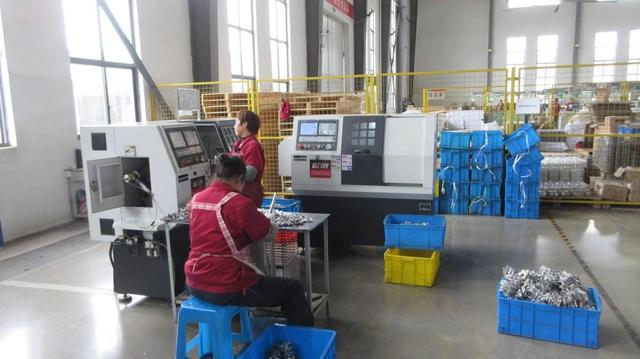
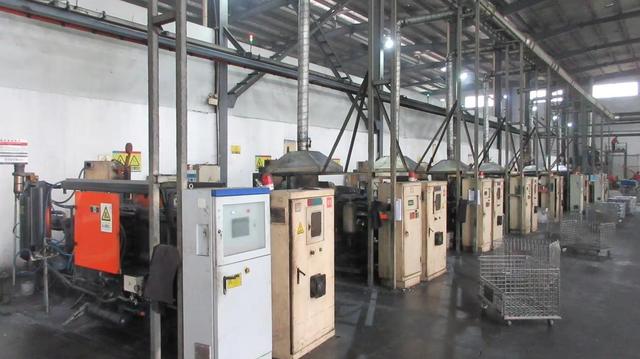
Located in Guangzhou, China, Yihe Auto operates modern production facilities equipped with advanced machining equipment, automated manufacturing lines, and comprehensive quality inspection systems. The company specializes in the development and production of engine components, suspension parts, steering system components, brake system parts, transmission components, chassis parts, automotive electrical systems, cooling system components, and various custom-engineered automotive solutions.
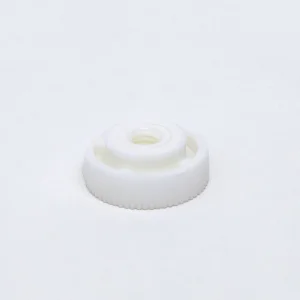
Synergy with Advanced Automotive Interior Assembly: Because high-end seating requires mechanical adjustability, structural stability, and reliable power routing, Yihe Auto's expertise in custom CNC aluminum milling, forged steel framing, precision knurled fasteners, and customized wiring harness assemblies allows them to supply complete, structurally superior components that form the backbone of premium vehicle cabins.
Quality, precision, and reliability are the foundation of the company's operations. Yihe Auto implements strict quality control procedures throughout every stage of production, from raw material sourcing and precision machining to assembly and final inspection. By utilizing advanced manufacturing technologies and high-performance materials, the company ensures that its products meet demanding industry standards for durability, safety, and long-term performance.
In addition to standard product manufacturing, Yihe Auto offers flexible OEM and ODM services tailored to customer requirements. The company's engineering and technical teams work closely with clients to develop customized automotive components that meet specific vehicle applications and market demands. From product design and prototyping to mass production and logistics support, Yihe Auto provides comprehensive manufacturing solutions under one roof.
Serving customers across North America, Europe, Southeast Asia, the Middle East, South America, and Africa, Guangzhou Yihe Auto Co., Ltd. has built a reputation for dependable quality, competitive pricing, and responsive customer service. The company remains committed to innovation, operational excellence, and long-term partnerships, helping customers achieve success in the rapidly evolving global automotive industry.
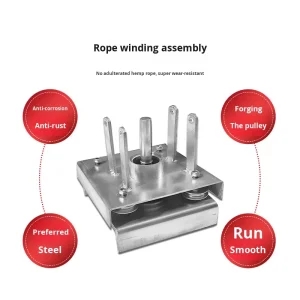
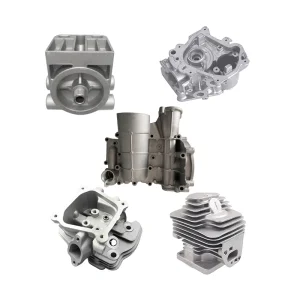
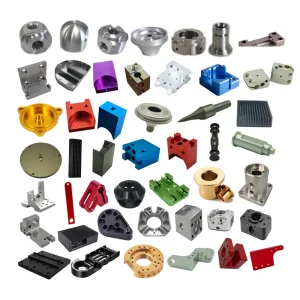
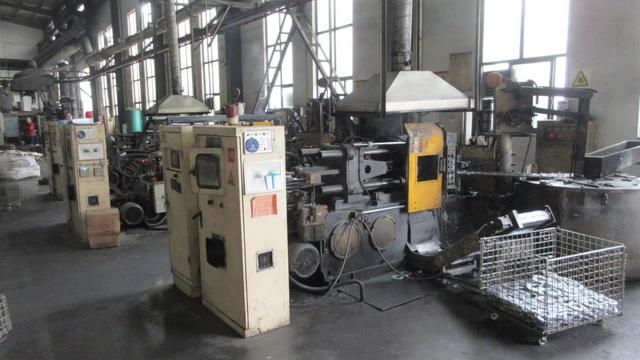
Advanced CNC milling, die casting, and forged metal operations for structural seat sub-frames and mounting adjusters.
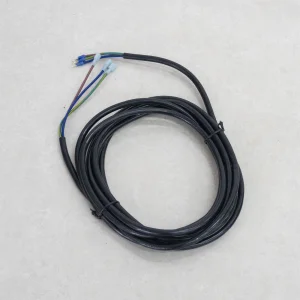
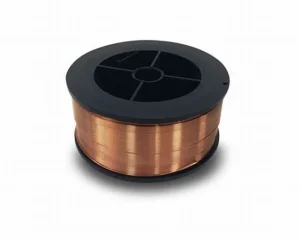
Reliable electrical harnesses engineered to transmit power and signals for smart heated, ventilated, and dynamic seat systems.
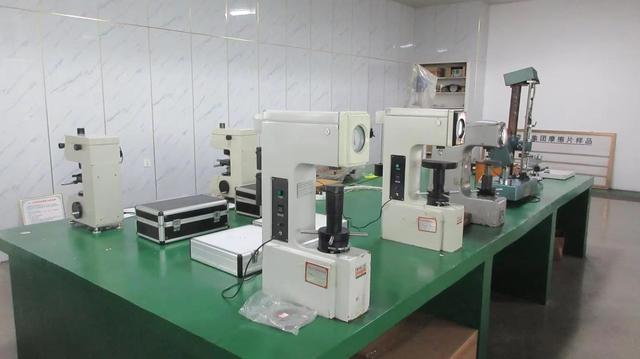
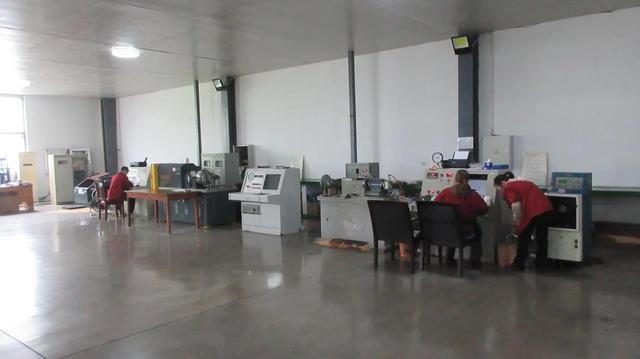
Every batch undergo structural load, electrical integrity, chemical composition, and premium physical wear tests before shipping.
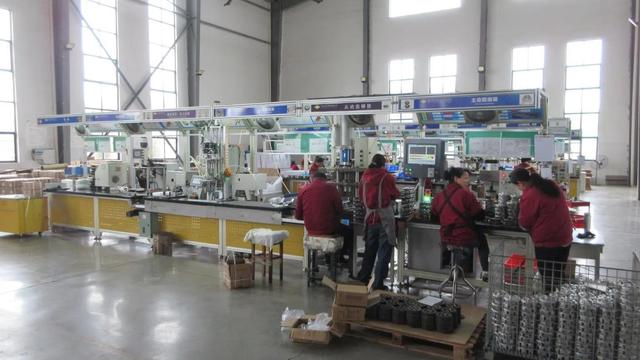
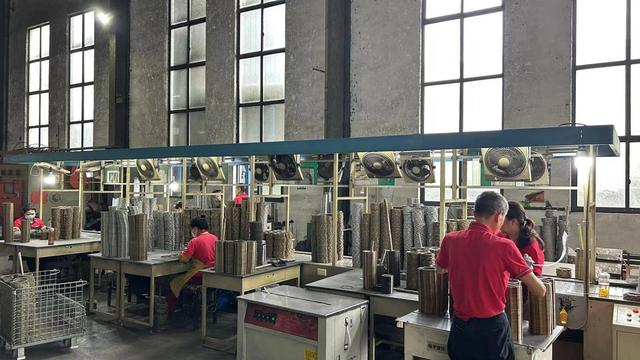
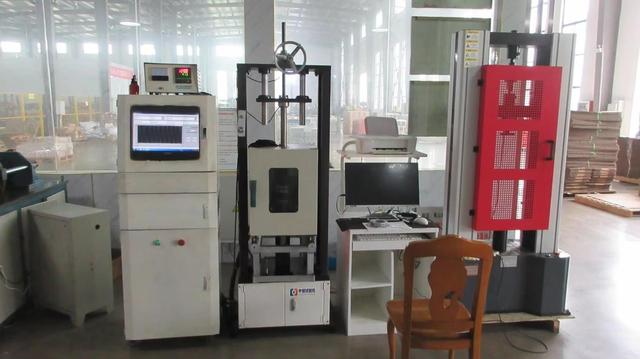
Purchasing leather seats and matching structural assemblies from China requires a rigorous quality verification procedure. For purchasing managers in Europe or North America, understanding these key selection factors is critical to mitigating risks associated with long-distance supply chains.
The leather grade defines the long-term durability and feel of the cabin interior. Procurement teams must define their requirements based on raw material types:
Additionally, material VOC testing (Volatile Organic Compounds) is vital. Under tight closed-cabin environments, low-quality seating releases toxic chemicals. Chinese export-oriented factories perform ISO 12219 interior air quality evaluations to keep VOC emissions well below standard thresholds.
Safety is the single most important parameter in automotive seat manufacturing. The seat frame acts as a primary safety barrier during collisions. As a result, critical structural metal sub-frames, brackets, and custom knurled fasteners must meet strict metallurgical criteria. Quality assurance includes:
For standard components, lead times average between 30 to 45 days. For custom OEM projects involving new molds (such as custom seat frames or bespoke aluminum brackets), tooling development requires 45 to 60 days, followed by 30 days for initial pre-production sample approval and mass manufacturing.
Premium manufacturers maintain active IATF 16949 certifications, which is the global quality management standard for the automotive industry. This requires strict process tracing from raw materials procurement, intermediate production monitoring, final calibration, to packaging, ensuring complete traceability for every part shipped.
Yes. Custom wiring harnesses are fully tailored to specific seat configurations, including power distribution for motorized adjustments, memory modules, heating pads, ventilation fans, and side-airbag deployments. High-durability sheathings and automotive-grade connectors (such as TE Connectivity or Molex equivalents) are used.
All exported leather coverings and synthetic materials comply with REACH and RoHS standards, ensuring they are free from heavy metals, forbidden azo dyes, and restricted phthalates. In addition, flame-retardant properties are tested to meet FMVSS 302 and ISO 3795 horizontal burning standards.
Components are secured inside custom-molded thermoformed trays or shock-absorbing bubble wraps, which are packed into heavy-duty corrugated export boxes. Steel frames and heavy castings are shipped on fumigated wooden pallets reinforced with steel strapping to prevent movement during sea transport.
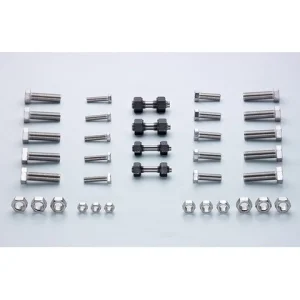
 Yihe Auto