Explore our high-performance components engineered for heavy vehicles, passenger cars, and advanced mechanical systems.
As critical interfaces in modern steering linkages and suspension linkages, ball joints are the primary safety-critical components bridging structural control arms to wheel carriers. Globally, industrial, commercial, and civilian automotive sectors are facing tighter tolerances and demand for robust components that endure mechanical shear and dynamic loading.
Ball joints operate continuously under extreme atmospheric conditions. Dust, humidity, mud, road salt, and wide temperature swings demand robust mechanical sealing. Our engineering utilizes CR/Neoprene dust boots and high-performance polyacetal (POM) internal seats to guarantee absolute reliability over multi-year lifecycles.
The rapid shift to Electric Vehicles (EVs) introduces heavier curb weights due to battery assemblies. This shift requires ball joint assemblies to bear higher static and dynamic forces while maintaining low Noise, Vibration, and Harshness (NVH) levels. We formulate premium synthetic lubricants designed to reduce friction and eliminate stiction.
Utilizing high-tensile carbon steels and chromoly alloys (e.g., 40Cr, SAE 1045, or 4140 chromoly steel), our forging lines construct ball pin shafts with customized induction hardening depths. This prevents micro-cracks and guarantees superior pull-out and push-out forces, meeting global OEM safety standards.
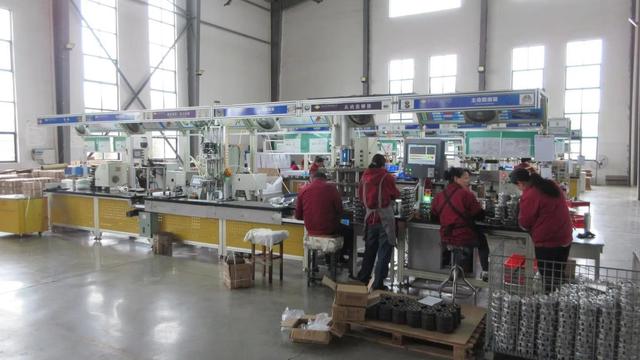
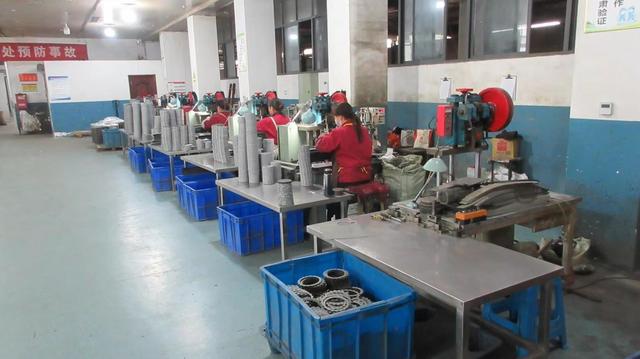
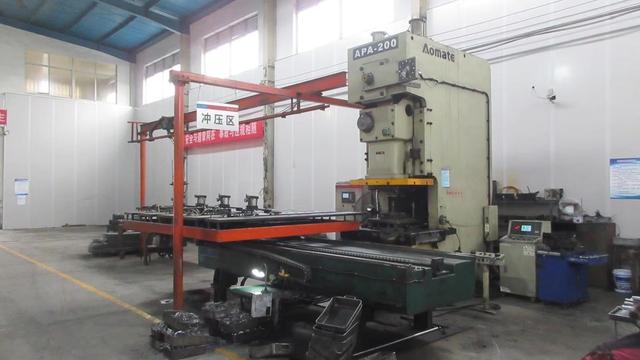
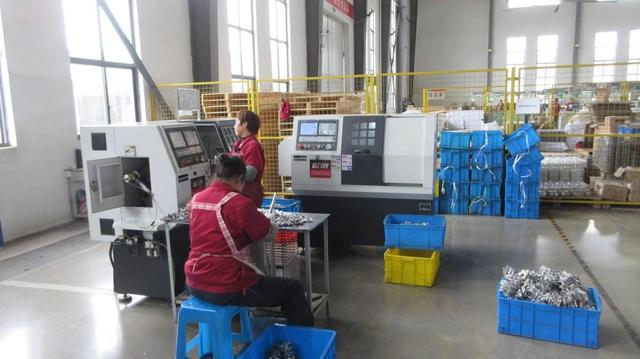
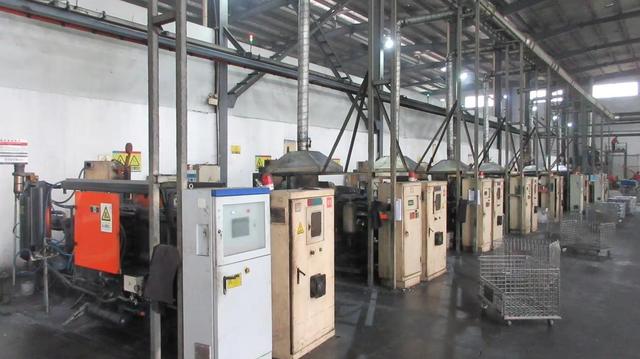
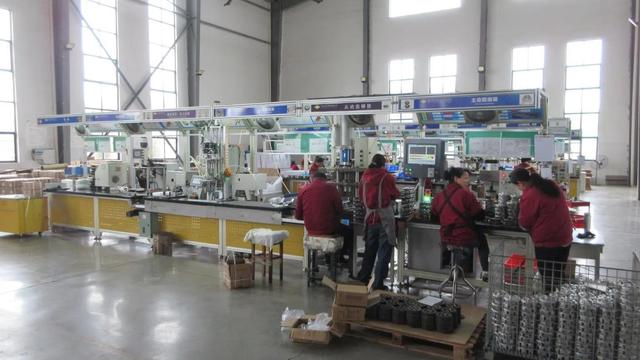
As a professional Auto Parts Manufacturer | Engine Components, Suspension Parts & Automotive Systems, Guangzhou Yihe Auto Co., Ltd. is dedicated to providing high-quality automotive components and customized manufacturing solutions for global vehicle manufacturers, distributors, wholesalers, and aftermarket suppliers. Serving passenger vehicles, commercial trucks, EVs, and heavy-duty transportation machinery, our modern facility in Guangzhou, China, integrates advanced CNC machining, automated robotic assembly, and precision metallurgical testing.
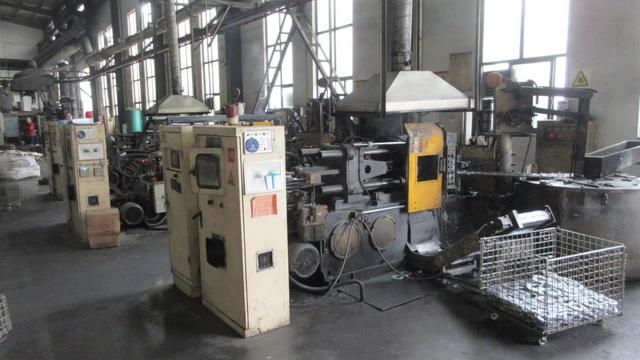
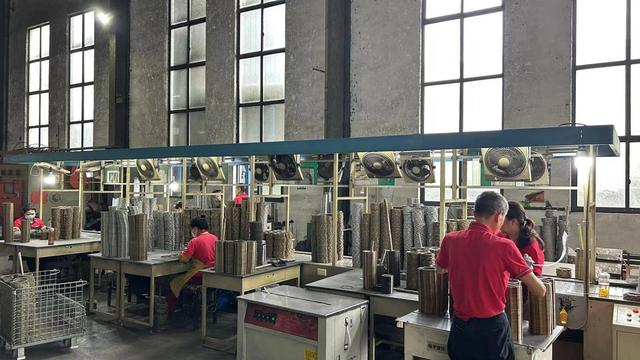
Equipped with state-of-the-art precision casting and automated forging lines that guarantee dimensional consistency within micrometers.
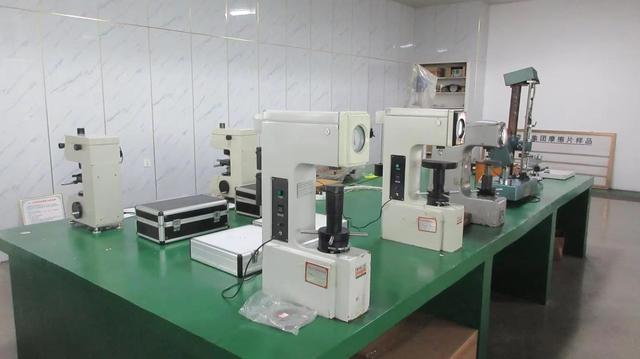
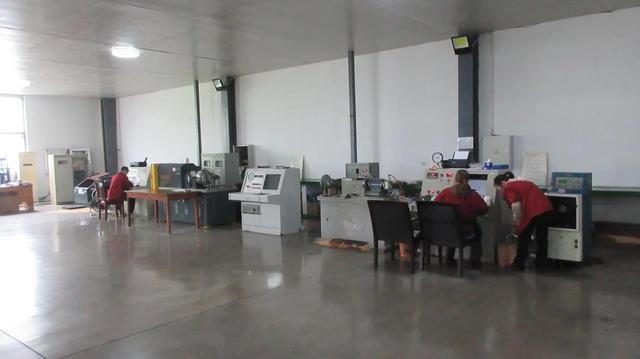
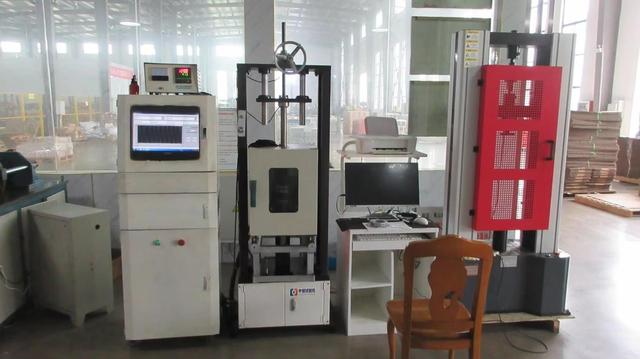
Implementing end-to-end QC protocols from raw chemical analysis of steel alloys to final high-load fatigue and torque tests.
Efficiently exporting custom assemblies and spare parts across North America, Europe, Southeast Asia, South America, and Africa.
Collaborating with tier-one engineering teams to prototype, test, and mass-produce customized suspension joints for specialty vehicle fleets.
The demand for lighter, stronger steering parts has pushed the industry toward advanced materials and automated quality validation. Below is the blueprint of our modern R&D focus for OEM and aftermarket steering components.
| Technological Phase | Material Focus | Lubrication Tech | Target Applications |
|---|---|---|---|
| Legacy Steering Assemblies | Heavy Cast Carbon Steels, Nitrile Rubber Boots | Standard Lithium Mineral Grease | Traditional ICE Light Vehicles & Machinery |
| Current OEM Era | Alloy Steel 40Cr, Chromoly, Neoprene Boots | Synthetic Low-Friction Lithium Greases | Electric Sedans, SUVs, Light Duty Utility Fleets |
| Next-Gen Smart Systems | Ultra-light High-strength Aluminum, Carbon Matrix Housing | Nano-infused Self-lubricating POM inserts | Autonomous Commercial Trucks, Military, EV Fleets |
By engineering custom polymer formulations (including carbon fiber reinforced polyacetal), we eliminate metal-on-metal dry contact. This keeps the suspension smooth and extends operational lifetime even if a rubber boot becomes compromised in rough terrain.
Our custom induction hardening applies targeted thermal energy to the ball stud's neck. This creates a hard exterior shell to prevent wear while keeping the core ductile to absorb impacts without catastrophic fractures.
To resist galvanic oxidation and acid-rain exposure, our steel components undergo multi-stage surface treatments, including zinc-nickel plating, chrome-free organic coatings, and cataphoresis (e-coating).
Different operational environments pose unique challenges to suspension systems. As a global custom manufacturer, we customize our material formulations and sealing designs to match local environmental demands.
Heavy-duty trucks operating long distances across Canada and the US require components that can withstand sub-zero temperatures. We use synthetic low-temp lubricants rated to -40°F and flexible polyurethane boots that prevent cracking and salt-water intrusion.
Operating in the outback introduces fine silica dust that acts as an abrasive, damaging internal joint components. Our specialized multi-lip dust boots prevent microscopic dust entry, ensuring long life in high-vibration applications.
Maintaining high-speed stability on highways requires precise steering response and zero play in the linkage. Our production lines hold ball stud spherical clearances to within 0.05mm to prevent vibration and ensure driver comfort.
Crucial details for procurement officers, automotive engineers, and bulk distributors looking to partner with Guangzhou Yihe Auto.
Most high-demand automotive and heavy industrial ball studs are forged from 40Cr (equivalent to AISI 5140) or 4140 chromoly steel. These alloys undergo precision induction hardening at the ball head and neck, striking a balance between external wear resistance and interior shock absorption.
We manufacture our boots from Chloroprene (CR) rubber and premium polyurethanes. This provides excellent ozone, UV, and oil resistance while maintaining elasticity down to -40°C. Every batch undergoes rigorous ozone chamber testing to ensure the boot will not dry-rot prematurely.
We perform three main tests: pull-out force resistance (to ensure the ball stud cannot be pulled from its housing under extreme tension), push-out force resistance, and rotational/oscillating torque consistency. Every custom production run must exceed the OEM mechanical safety parameters by at least 15%.
Yes, we specialize in high-load customization. We increase the contact surface area of the internal ball seat and use advanced engineering polymers to handle the higher vertical and horizontal forces typical of heavy battery packs, without increasing the overall packaging space.
For custom OEM orders, our typical lead time ranges from 15 to 30 days for design validation and initial tooling prototypes, followed by expedited manufacturing once samples are approved. We leverage computerized coordinate measuring machines (CMM) to accelerate testing.
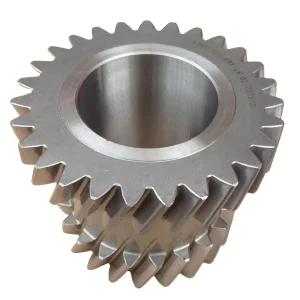
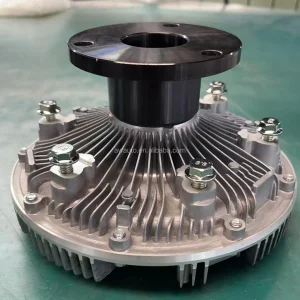
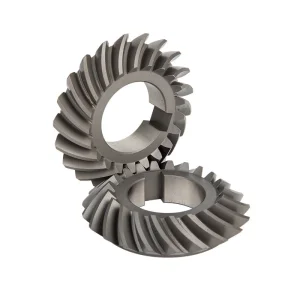
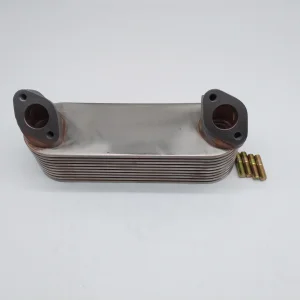
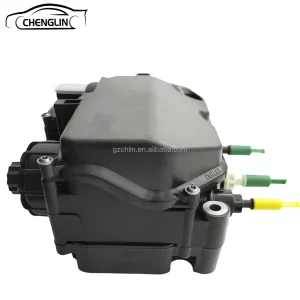
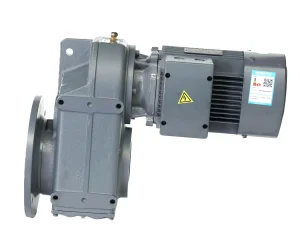
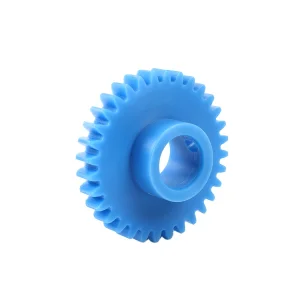
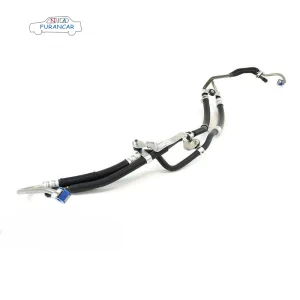
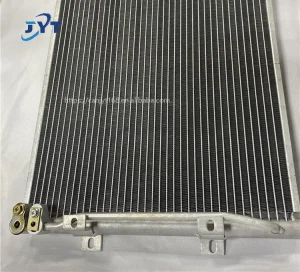
Our manufacturing capabilities extend from steering joints to engine cooling, custom gears, and transmission systems.
 Yihe Auto