High-precision replacement components, engine accessories, and lighting systems developed to withstand extreme environments.
The evolution of automotive tail lights from simple functional signaling devices to complex, branding-defining optoelectronic systems is restructuring global OEM automotive supply chains.
In the modern automotive landscape, tail lights have become the primary identifier of a brand's night-time signature. With the expansion of the Electric Vehicle (EV) market, vehicle styling has leaned heavily into continuous light strips (coast-to-coast bars) and dynamic animations. To remain competitive, OEMs require custom tail lights that integrate smoothly into flush aerodynamics, highlighting the need for advanced tooling and specialized optoelectronic partnerships.
High initial costs for injection molding tooling have historically limited customization to mass-production models. However, modern CNC-prototyping, modular electronics, and rapid tooling technologies developed by tier-1 and tier-2 Chinese manufacturers have democratized the customization process. Automotive startups and aftermarket customizers can now access OEM-grade, low-volume production runs with minimal initial investments.
Recent global events highlight the importance of supply chain resilience. Automotive production relies on the timely arrival of critical sub-assemblies. A delay in custom lenses or LEDs can stall an entire vehicle assembly line. Global automotive firms are restructuring their supply bases, preferring factories that offer in-house vertical integration, ranging from injection molding to photometric validation.
The integration of semiconductor technology, advanced polymers, and intelligent systems is shaping the future of rear-end signaling.
Organic Light-Emitting Diodes (OLEDs) enable ultra-thin, highly uniform light surfaces that do not require optical lenses or light guides. OEMs are planning dynamic matrix displays capable of projecting warning symbols onto the road surface for trailing drivers.
Future tail light assemblies are incorporating more than just lighting components; they are houses for rear-facing ultrasonic sensors, radar arrays, and blind-spot detection cameras. This integration requires high-precision electromagnetic shielding (EMI) and heat dissipation design.
In line with global ESG targets, manufacturing plants are qualifying circular polymers, like recycled Polycarbonate (PC) and Poly(methyl methacrylate) (PMMA), for lenses and outer housings without compromising optical clarity and UV degradation standards.
While ADB is primarily used for headlights, adaptive rear lighting systems are emerging. These systems automatically adjust their luminance depending on ambient conditions (heavy fog, rain, snow) to prevent glare for trailing vehicles while maximizing visibility.
Environmental factors, infrastructure variations, and regional regulations demand targeted engineering adjustments. Custom tail lights must be designed to withstand local market challenges.
In regions like Northern Europe and Canada, tail lights are exposed to extreme freezing temperatures and corrosive road salts. For these environments, custom designs integrate PTC heating elements to melt snow accumulation on the lens, and use advanced EPDM sealing gaskets certified to operate at -40°C.
In Australia and the Middle East, high UV indices lead to the rapid yellowing and embrittlement of standard plastics. Custom components require PMMA formulations with specialized UV-stabilizing additives and outer hard-coatings (e.g., polysiloxane coatings) to maintain high optical transparency over a 10-year lifespan.
In Southeast Asia, commercial transport vehicles frequently encounter heavy monsoons and high humidity levels. Custom tail lights for these regions undergo rigorous pressure tests, featuring Gore-Tex breather valves to balance pressure without drawing in moisture, achieving IP69K waterproof protection.
How China's Automotive Infrastructure Lowers Total Cost of Ownership (TCO) Without Sacrificing Quality.
Guangzhou, as a primary hub of China's automotive industry, offers an established industrial cluster. This provides immediate access to raw material suppliers, high-tech semiconductor distributors, tooling workshops, and testing facilities.
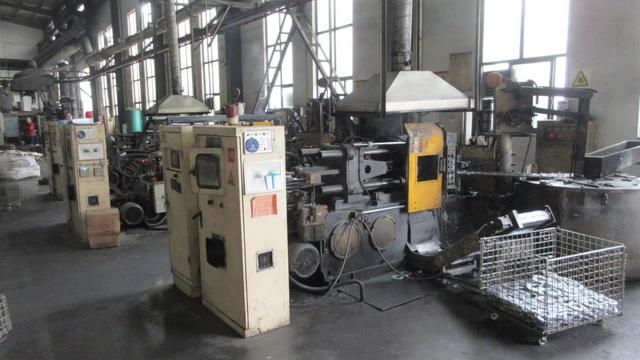
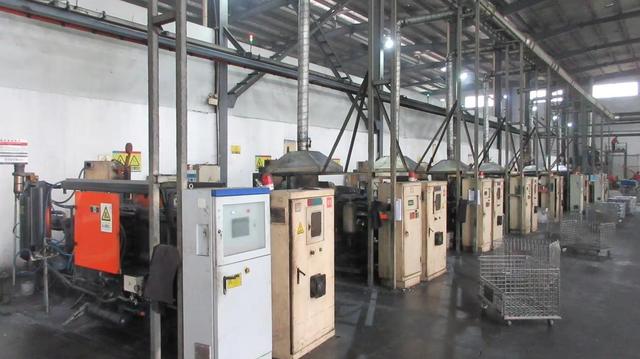
Manufacturing modern tail lights requires multi-color (2K or 3K) co-injection molding machines. This process allows red, amber, and clear plastics to be injection molded into a single structural part, preventing water ingress and reducing assembly steps.
"Continuous automated inspection lines monitor pressure curves in real-time, detecting micro-defects or flash before parts exit the mold."
Navigating international regulatory frameworks is critical for custom automotive lighting. Our engineering division ensures that custom tail lights meet all local compliance criteria.
For the US and Canadian markets, lights must comply with FMVSS 108 standards. This mandate specifies color boundaries (SAE red and amber chromaticity coordinates), precise luminous intensity profiles, and required retroreflective elements. We provide certified laboratory testing reports to streamline the self-certification process for importers.
ECE compliance requires formal type-approval markings (the E-mark) issued by an approved European testing agency. Tail lights must pass stringent luminous distribution testing, weathering resistance tests, and vibration trials. We coordinate directly with European agencies to secure type-approval documentation for our OEM clients.
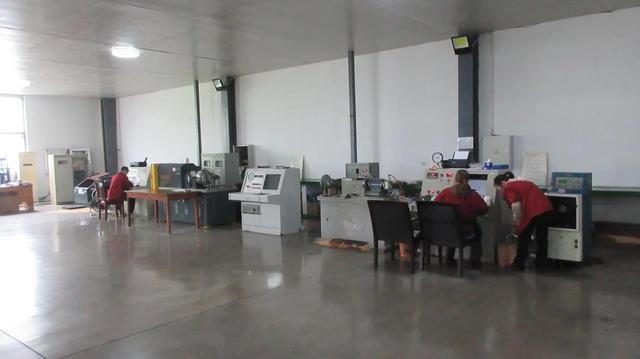
To clear custom clearance and achieve commercial viability in China, automotive lights must carry the China Compulsory Certificate (CCC) and conform to GB 5920 and GB 11554 regulations. Our testing facilities conduct pre-compliance verification matching GB parameters, preventing delays during certification audits.
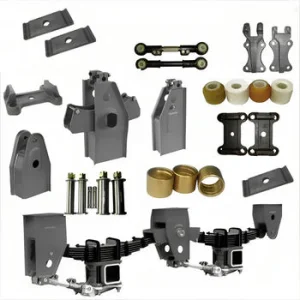
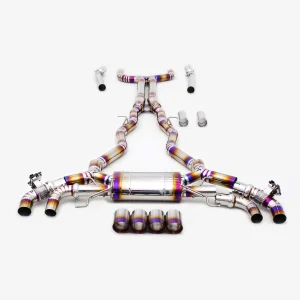
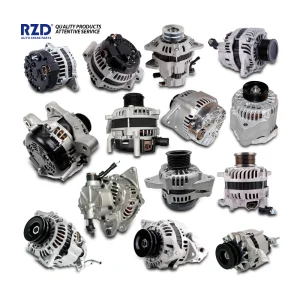
Guangzhou Yihe Auto Co., Ltd. is a professional Auto Parts Manufacturer | Engine Components, Suspension Parts & Automotive Systems dedicated to providing high-quality automotive components and customized manufacturing solutions for global vehicle manufacturers, distributors, wholesalers, and aftermarket suppliers. With years of industry experience, the company serves a wide range of automotive sectors, including passenger vehicles, commercial trucks, electric vehicles, and industrial transportation equipment.
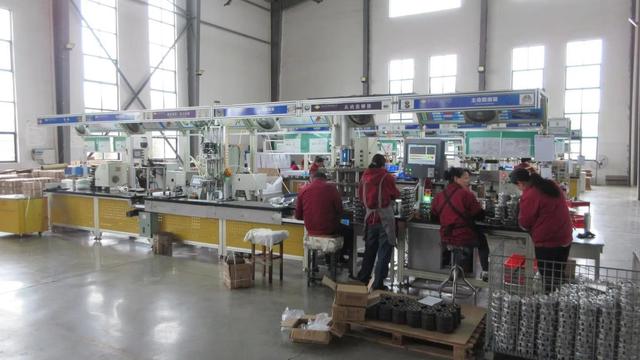
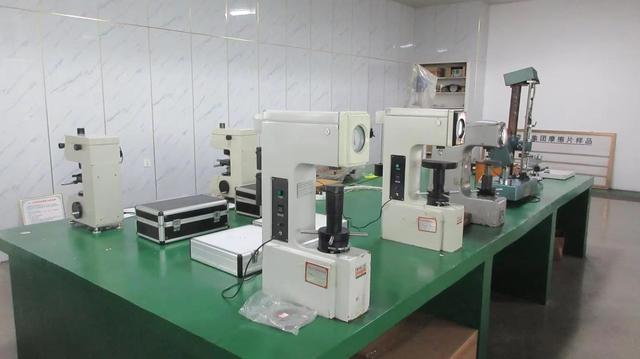
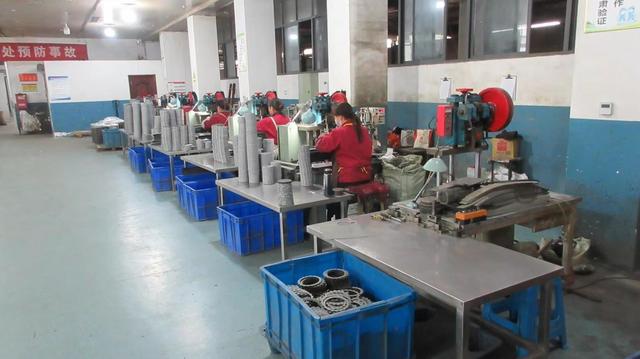
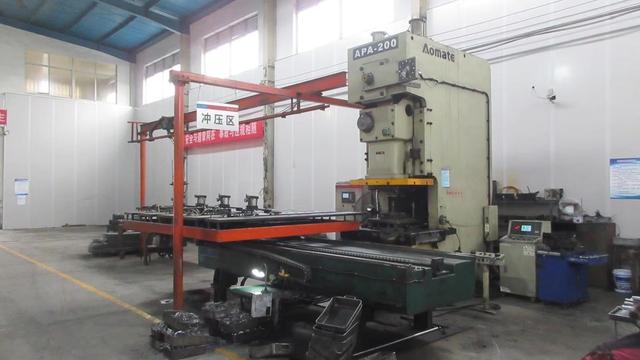
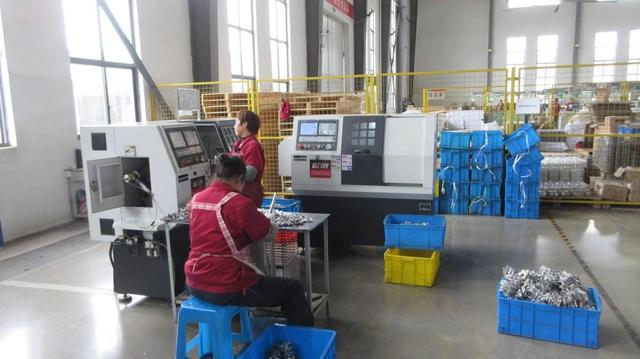
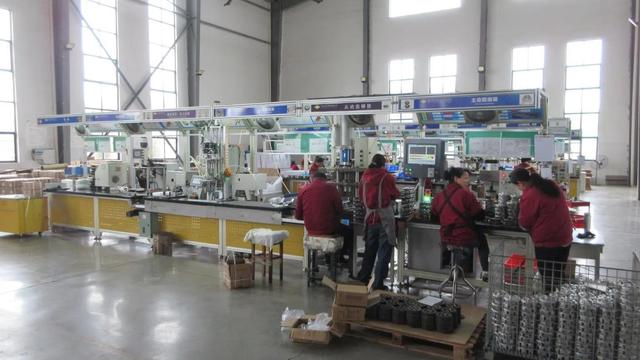
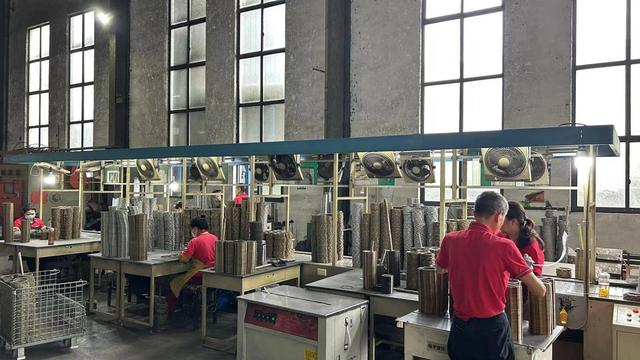
Located in Guangzhou, China, Yihe Auto operates modern production facilities equipped with advanced machining equipment, automated manufacturing lines, and comprehensive quality inspection systems. The company specializes in the development and production of engine components, suspension parts, steering system components, brake system parts, transmission components, chassis parts, automotive electrical systems, cooling system components, and various custom-engineered automotive solutions.
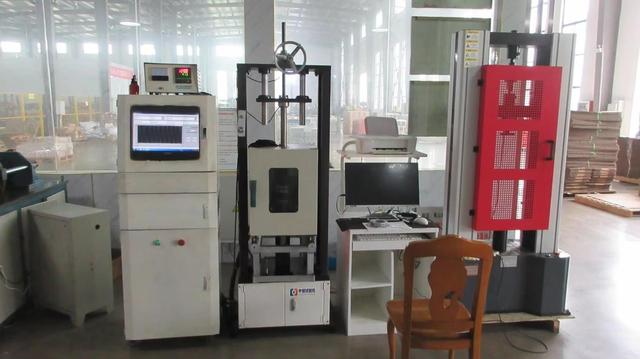
Quality, precision, and reliability are the foundation of the company's operations. Yihe Auto implements strict quality control procedures throughout every stage of production, from raw material sourcing and precision machining to assembly and final inspection. By utilizing advanced manufacturing technologies and high-performance materials, the company ensures that its products meet demanding industry standards for durability, safety, and long-term performance.
In addition to standard product manufacturing, Yihe Auto offers flexible OEM and ODM services tailored to customer requirements. The company's engineering and technical teams work closely with clients to develop customized automotive components that meet specific vehicle applications and market demands. From product design and prototyping to mass production and logistics support, Yihe Auto provides comprehensive manufacturing solutions under one roof.
Serving customers across North America, Europe, Southeast Asia, the Middle East, South America, and Africa, Guangzhou Yihe Auto Co., Ltd. has built a reputation for dependable quality, competitive pricing, and responsive customer service. The company remains committed to innovation, operational excellence, and long-term partnerships, helping customers achieve success in the rapidly evolving global automotive industry.
Technical answers regarding manufacturing processes, customization steps, timelines, and logistics coordination.
Providing precision engineering solutions across commercial vehicle applications, mechanical drivetrains, and lighting brackets.
 Yihe Auto