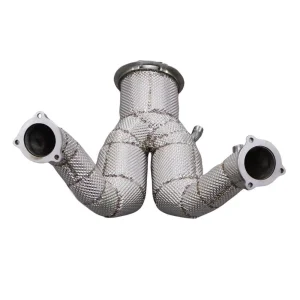
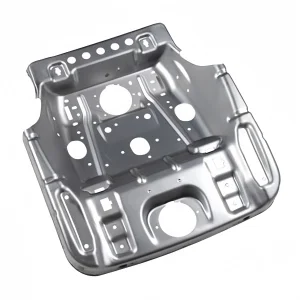
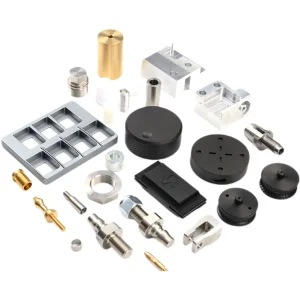
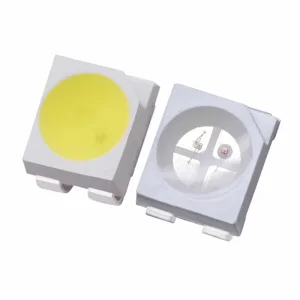
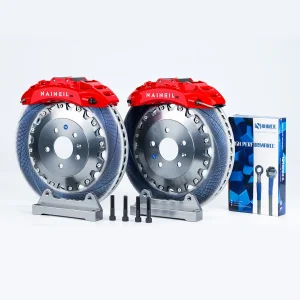
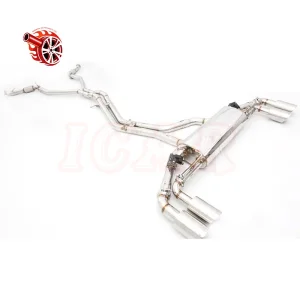
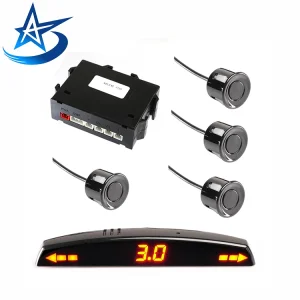
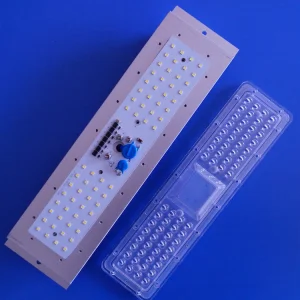
Premium solutions spanning customized exhaust fabrications, lighting metals, CNC processing, and chassis assemblies.
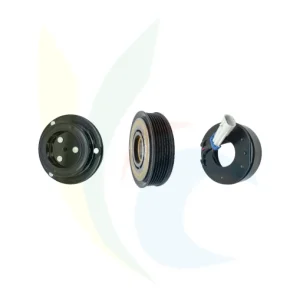
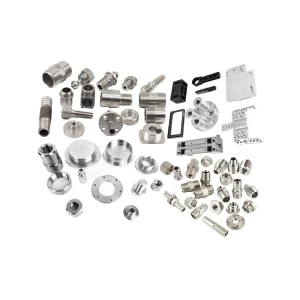
A macroeconomic analysis of high-pressure fluid transfers, metallurgical integrity, and regulatory controls shaping modern mobility.
Hydraulic brake line technology is the foundational bedrock of active vehicle safety. Within modern light vehicles, commercial fleets, heavy-duty machinery, and high-performance racing platforms, brake lines convey pressure exceeding 100 to 150 Bar (1450 to 2175 PSI) from the master cylinder to the wheel calipers. Sourcing these critical components demands deep knowledge of metallurgical composition, surface treatments, and international standards such as SAE J1047, FMVSS 106, and ISO 4038.
Globally, the brake lines market is experiencing a profound technological pivot. The rise of electric vehicles (EVs) introduces new vehicle dynamics. While regenerative braking decreases friction wear, the added weight of lithium-ion battery packs demands higher reserve hydraulic pressure for emergency maneuvers. Manufacturers are shifting from traditional low-cost zinc-coated carbon steel lines toward double-walled copper-brazed steel, stainless steel braided, and specialized Copper-Nickel (Cunifer/C70600) alloys. The goal is clear: maximize corrosion resistance, guarantee long-term fatigue limit under severe salt spray environments, and eliminate moisture permeation.
Integrating advanced production engineering with global supply chains to deliver IATF-certified automotive systems.
Guangzhou Yihe Auto Co., Ltd. is a professional Auto Parts Manufacturer | Engine Components, Suspension Parts & Automotive Systems dedicated to providing high-quality automotive components and customized manufacturing solutions for global vehicle manufacturers, distributors, wholesalers, and aftermarket suppliers. With years of industry experience, the company serves a wide range of automotive sectors, including passenger vehicles, commercial trucks, electric vehicles, and industrial transportation equipment.
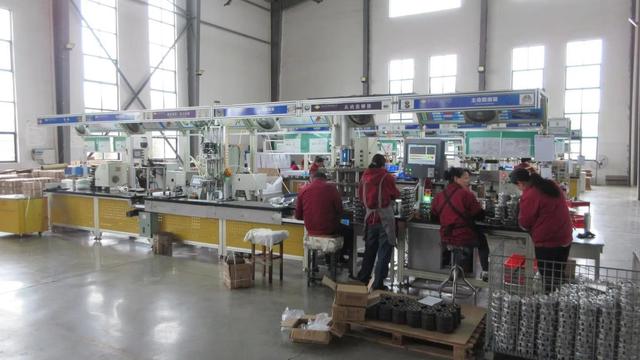
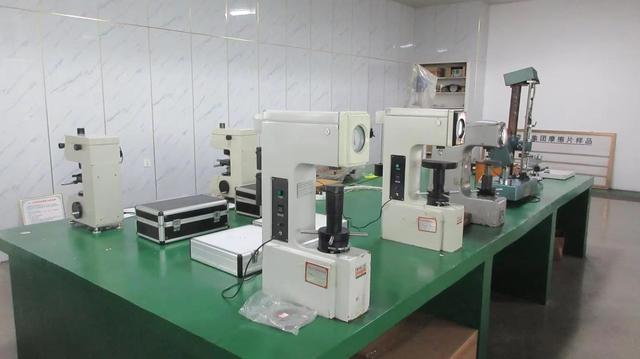
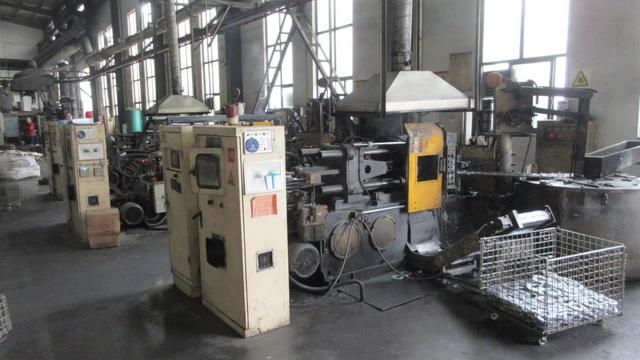
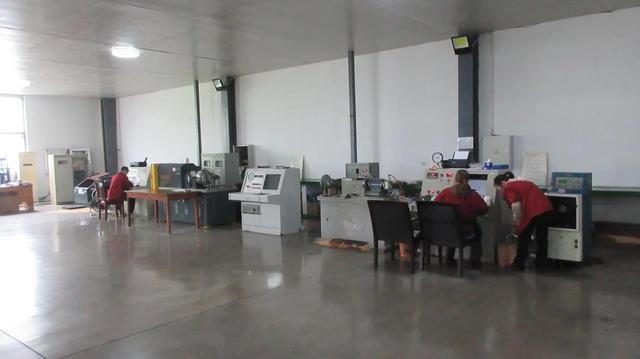
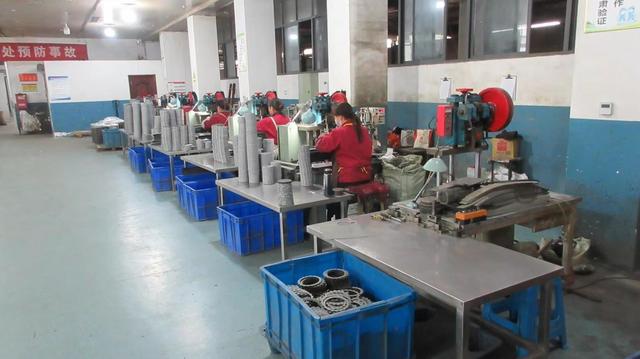
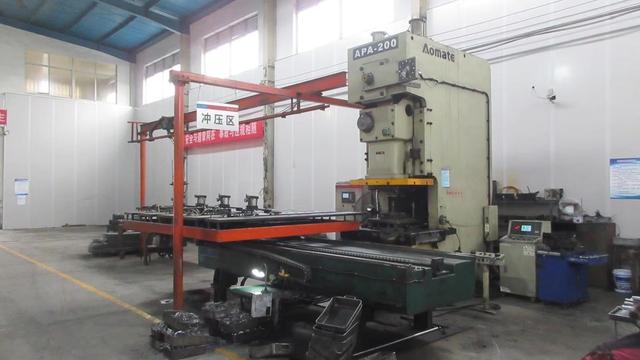
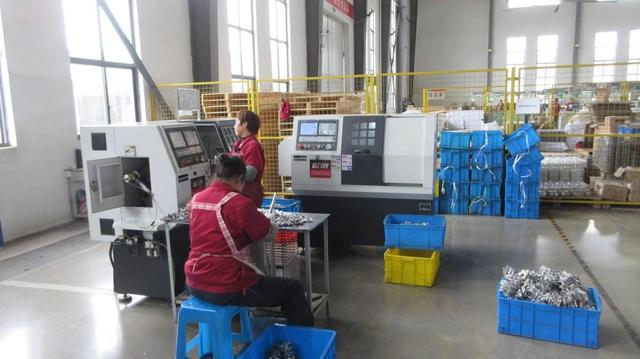
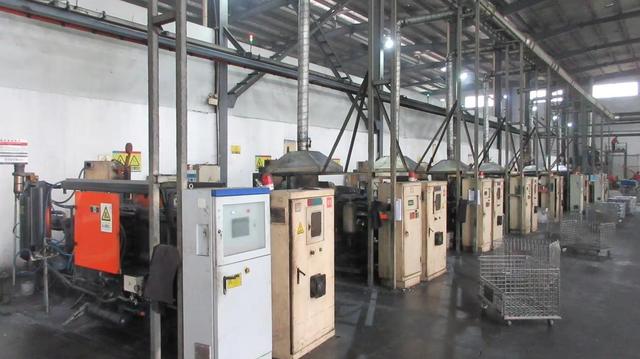
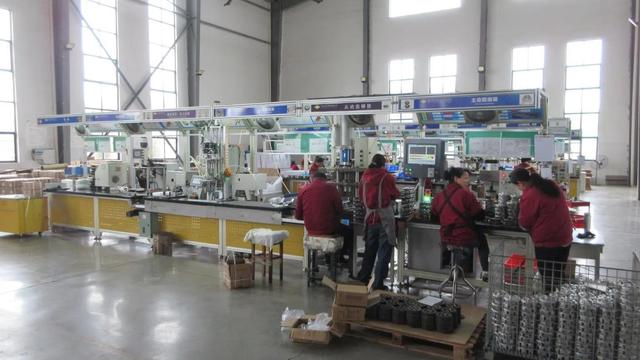
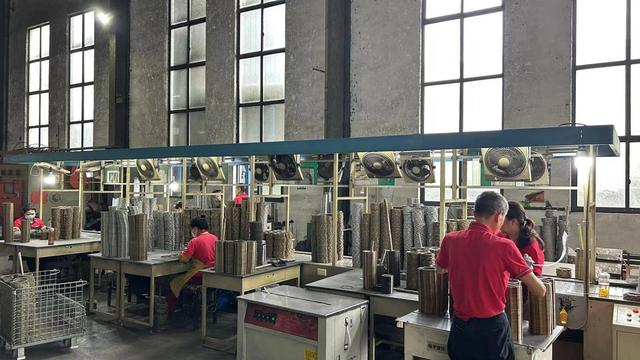
Located in Guangzhou, China, Yihe Auto operates modern production facilities equipped with advanced machining equipment, automated manufacturing lines, and comprehensive quality inspection systems. The company specializes in the development and production of engine components, suspension parts, steering system components, brake system parts, transmission components, chassis parts, automotive electrical systems, cooling system components, and various custom-engineered automotive solutions.
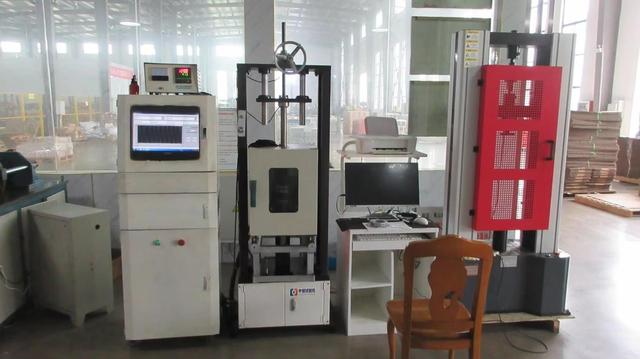
Quality, precision, and reliability are the foundation of the company's operations. Yihe Auto implements strict quality control procedures throughout every stage of production, from raw material sourcing and precision machining to assembly and final inspection. By utilizing advanced manufacturing technologies and high-performance materials, the company ensures that its products meet demanding industry standards for durability, safety, and long-term performance.
In addition to standard product manufacturing, Yihe Auto offers flexible OEM and ODM services tailored to customer requirements. The company's engineering and technical teams work closely with clients to develop customized automotive components that meet specific vehicle applications and market demands. From product design and prototyping to mass production and logistics support, Yihe Auto provides comprehensive manufacturing solutions under one roof.
Serving customers across North America, Europe, Southeast Asia, the Middle East, South America, and Africa, Guangzhou Yihe Auto Co., Ltd. has built a reputation for dependable quality, competitive pricing, and responsive customer service. The company remains committed to innovation, operational excellence, and long-term partnerships, helping customers achieve success in the rapidly evolving global automotive industry.
A comprehensive index detailing structural specialization, primary materials, regional locations, and core OEM credentials.
Pioneering fluid-handling systems with proprietary Magni coatings and double-wall steel tube structures. Cooper Standard is a critical supplier for major American and European passenger cars, providing advanced thermal management integration.
Specializes in integrated brake and fuel delivery configurations. Known for manufacturing ultra-precise corrosion-protected Bundy tubes with multi-layer PVF (Fluoropolymer) coatings that exceed 1000 hours of neutral salt spray testing.
An integrated system manufacturer offering highly customized lines. Features flexible engineering for low-volume specialty fleets up to high-volume automotive production, with complete ISO 9001 verification and robust global shipping lanes.
Distinguished by its ultra-high precision CNC bending technology and brazeless connector systems. Sanoh supplies Japanese automakers with lightweight aluminum and stainless steel high-durability lines.
The German authority in custom hydraulic line fittings and braided steel hose assemblies. Cohline serves the premium aftermarket and industrial machinery sectors with DOT/FMVSS-approved high-pressure hoses.
Globally renowned for their patented nickel-zinc alloy coatings and high-pressure fuel injection line systems. Usui is a key structural supplier for heavy commercial vehicles and diesel engine systems.
Focuses on hybrid configurations incorporating premium rubber polymer compositions and rigid metal tubes. Hutchinson provides vibration-isolated lines engineered to sustain performance in extreme climates.
One of Asia’s largest exporters of aftermarket rubber brake hoses and hydraulic lines. Operates state-of-the-art testing complexes ensuring alignment with federal vehicle safety criteria worldwide.
Specializes in multi-layer hydraulic hoses containing superior EPDM rubber and reinforcing synthetic braid structures, widely applied across high-temperature motorcycle and light-duty passenger brake segments.
Leverages extensive engineering experience in active electronic braking (ABS/ESC). Continental produces integrated brake lines and caliper systems configured to operate seamlessly with high-frequency electronic valves.
Selecting the correct tubing metallurgy dictates performance limits and operational lifespan. Use this engineering matrix for your procurement decisions.
| Tubing Material | Standards Compliance | Corrosion Resistance | Pressure Rating (Burst) | Primary Sourcing Target |
|---|---|---|---|---|
| Double-Wall Brazed Steel (Bundy) | SAE J527, ISO 4038 | Moderate (Needs PVF coating) | Up to 1100 Bar (16,000 PSI) | High-volume passenger vehicles, budget-sensitive fleets |
| Copper-Nickel Alloy (Cunifer) | SAE J1047, BS EN 12449 | Exceptional (Rust-proof) | Up to 980 Bar (14,200 PSI) | Heavy-duty commercial fleets, coastal/highly corrosive environments |
| 304/316 Stainless Steel (Braided) | FMVSS 106, DOT Approved | Excellent | Up to 1400 Bar (20,300 PSI) | Motorsports, extreme performance, marine applications |
| Single-Wall Seamless Steel | ASTM A269 | Low (Requires zinc plating) | Up to 800 Bar (11,600 PSI) | Stationary machinery hydraulic systems, light duty utilities |
How automation, lightweight materials, and stricter safety protocols are defining next-generation hydraulic line components.
Traditional hexavalent chromium coatings have been completely phased out due to EU REACH directives. The industry is moving to advanced Zinc-Nickel (Zn-Ni) electroplating topped with Polyvinyl Fluoride (PVF) films. This ensures parts withstand road salts and rock chips without peeling.
With brake-by-wire (BbW) systems growing in popularity, pressure modulation is handled by high-speed solenoids. These systems create rapid pressure pulses. This requires brake lines with high fatigue limits to resist pulsation stress over a million cycles.
Modern tier 1 facilities are incorporating 100% inline eddy current testing to detect micro-cracks in seam welds before bending. This is paired with automated helium leak checking to eliminate defective parts before shipment.
Customizing procurement requirements to meet unique environmental, regulatory, and mechanical demands across international jurisdictions.
In regions where municipal fleets use calcium chloride and rock salts for winter de-icing, standard zinc-plated carbon steel brake lines can fail within three to five years. Procurement managers in these regions must specify Cunifer (Copper-Nickel) or PVF-coated double-wall steel. Choosing these materials prevents safety issues and reduces warranty claims for fleet operators.
For custom fabrication and high-performance racing platforms, compliance with DOT (FMVSS 106) and Germany’s TÜV is mandatory. In these applications, rubber hoses are replaced with PTFE-lined stainless steel braided hoses. This construction prevents expansion under high pressure, giving drivers a firmer pedal feel and quicker response times.
High humidity and airborne salt particles accelerate galvanic corrosion when steel comes into contact with brass fittings. Importers in these regions should verify that their manufacturers use protective barrier coatings on fittings. Specifying proper insulation sleeves at structural mounting clamps is also critical.
Clarifying structural design, material specifications, and test methodologies to support engineering decisions.
Premium OEM components, metal fabrications, structural housings, and advanced electronic modules for manufacturing assemblies.
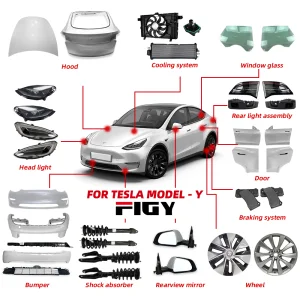
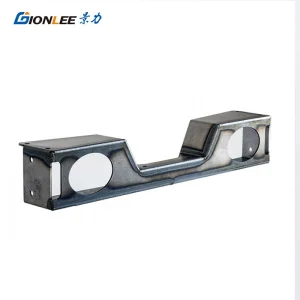
 Yihe Auto