Direct from verified manufacturers and global exporters meeting stringent quality assurance protocols.
An in-depth perspective on modern Electronic Control Units (ECUs), technical transformations, and the global exporter directory dynamics.
In modern automotive architecture, ECUs are transitioning from isolated modules executing binary tasks to interconnected node networks operating on zonal control systems. Global buyers actively search for Tier-1 suppliers capable of handling high-speed CAN-FD and Automotive Ethernet protocols to accommodate telemetry data flow.
Global procurement specialists face massive challenges regarding semiconductor supply lines, software compatibility, and hardware integration. Leading exporters act not only as distributors but also as engineering solution providers who guarantee cross-compatibility across hybrid powertrain and EV systems.
An elite exporter is distinguished by testing capabilities: Hardware-in-the-Loop (HIL) testing, environmental stress screening (ESS), and strict adherence to the automotive standard ISO 26262 (ASIL-D). Reliability is paramount, preventing costly recalls in the aftermarket and OEM channels.
Historically, a vehicle carried up to 80-100 individual, discrete ECUs—each controlling a dedicated feature like window regulators, seat adjustments, or engine timing. Modern vehicle architectures, dominated by Tesla and legacy OEMs transitioning to EVs, rely on Centralized Computing and Domain Control Units (DCUs). This consolidation significantly reduces vehicle harness weight, simplifies Over-the-Air (OTA) updates, and creates a unified platform for autonomous features (ADAS) and powertrain management. For procurement agents, sourcing from an exporter that understands these shifts ensures a future-proofed inventory and alignment with next-generation manufacturing platforms.
As international trade becomes more complex, navigating the procurement of complex electronic systems requires deep logistics and regulatory knowledge. Below, we examine the five pillars of modern ECU procurement strategies.
Exporters must guarantee full visibility of semiconductor components down to the foundry level, ensuring compliance with global initiatives such as the Conflict Minerals Regulation and automotive-grade component guidelines (AEC-Q100).
An ECU cannot operate universally without localized firmware. Calibration for regional emission requirements, fuel compositions, and climate environments is essential. Leading exporters offer custom software reflashing services prior to dispatch.
Navigating global tariff landscapes demands compliant harmonized tariff system (HS) classification. Incorrect categorization of electronic assemblies can lead to customs seizures and massive commercial penalties.
The manufacturing process for export-bound ECUs must pass the industry's most rigorous benchmarks. The foundational step is compliance with the IATF 16949 Standard, which governs quality management systems within the automotive supply chain. Beyond this, companies must implement extensive environmental compliance practices. The restricted substances list under RoHS and REACH regulations requires careful material inspection of lead-free solder, plasticizers, and flame retardants within PCB structures. Without these verifications, components entering the European Union and North American markets face strict legal blocks at the ports of entry.
Your Premier OEM/ODM Automotive Electronics and Systems Integration Partner
Guangzhou Yihe Auto Co., Ltd. is a professional Auto Parts Manufacturer | Engine Components, Suspension Parts & Automotive Systems dedicated to providing high-quality automotive components and customized manufacturing solutions for global vehicle manufacturers, distributors, wholesalers, and aftermarket suppliers. With years of industry experience, the company serves a wide range of automotive sectors, including passenger vehicles, commercial trucks, electric vehicles, and industrial transportation equipment.
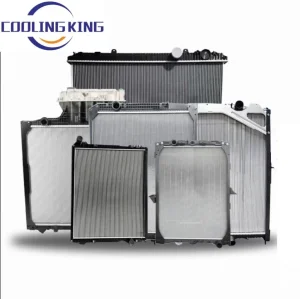
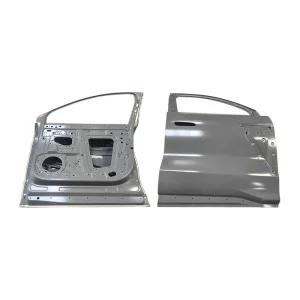
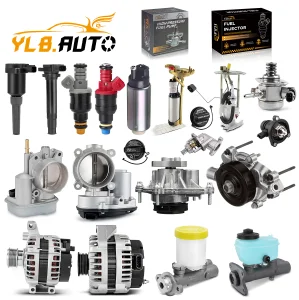
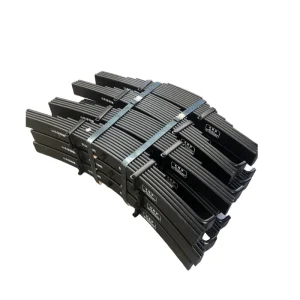
Located in Guangzhou, China, Yihe Auto operates modern production facilities equipped with advanced machining equipment, automated manufacturing lines, and comprehensive quality inspection systems. The company specializes in the development and production of engine components, suspension parts, steering system components, brake system parts, transmission components, chassis parts, automotive electrical systems, cooling system components, and various custom-engineered automotive solutions.
Quality, precision, and reliability are the foundation of the company's operations. Yihe Auto implements strict quality control procedures throughout every stage of production, from raw material sourcing and precision machining to assembly and final inspection. By utilizing advanced manufacturing technologies and high-performance materials, the company ensures that its products meet demanding industry standards for durability, safety, and long-term performance.
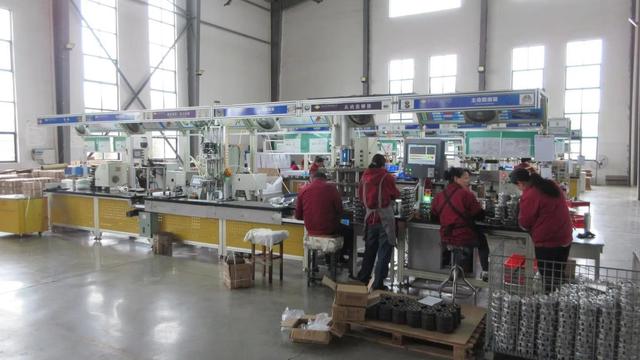
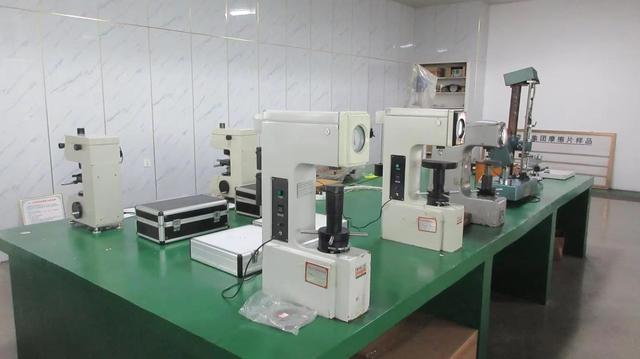
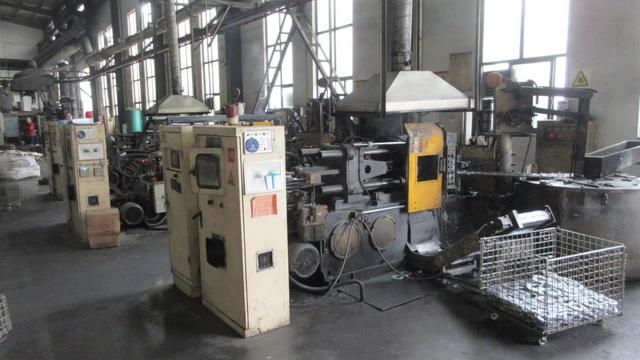
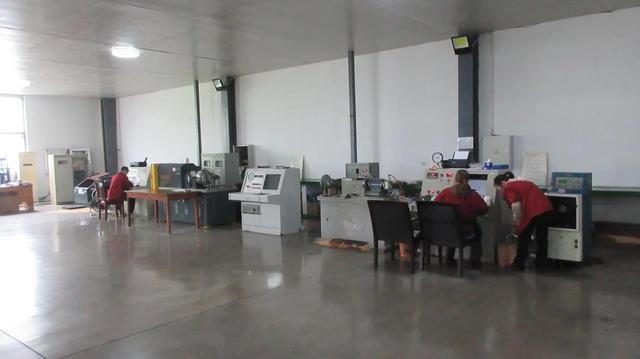
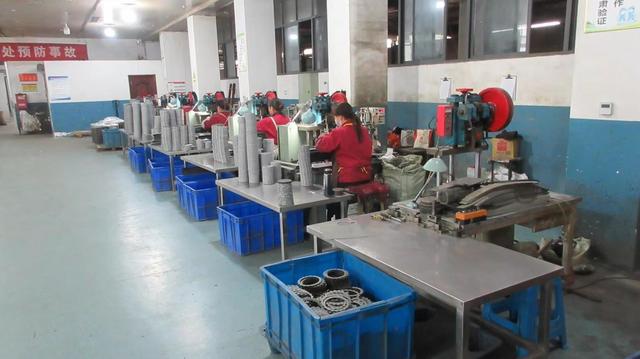
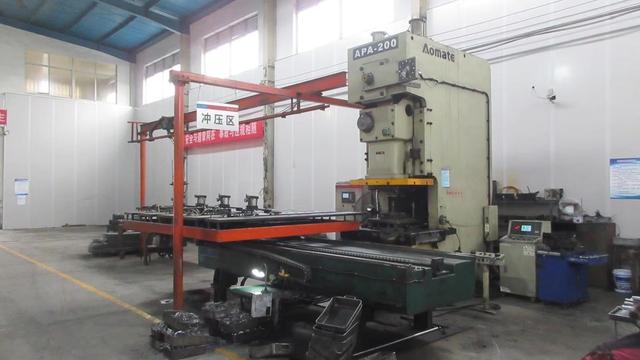
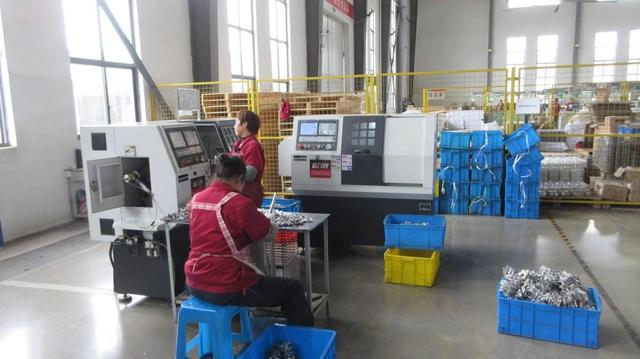
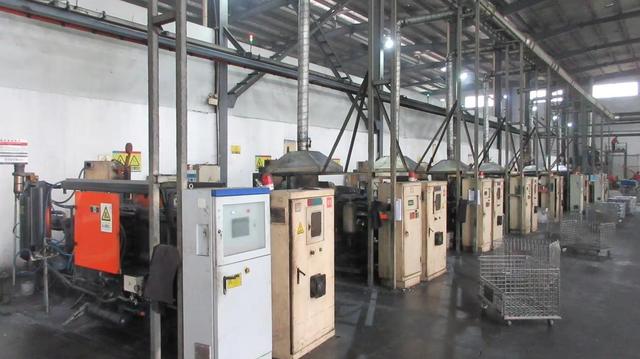
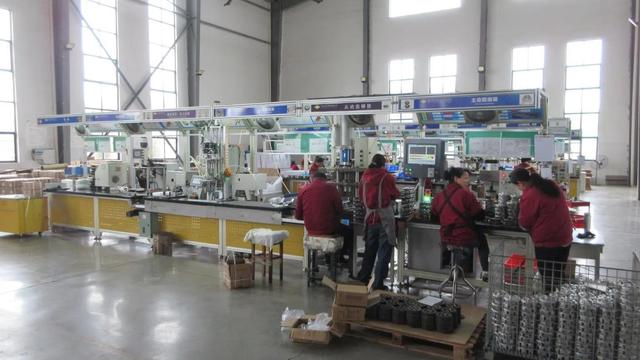
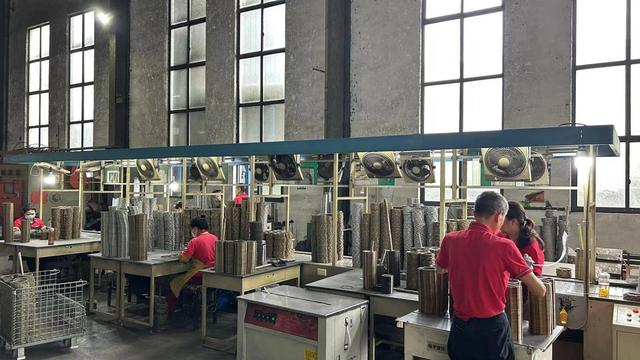
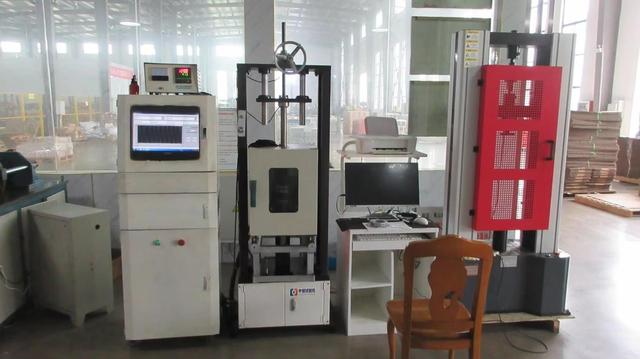
In addition to standard product manufacturing, Yihe Auto offers flexible OEM and ODM services tailored to customer requirements. The company's engineering and technical teams work closely with clients to develop customized automotive components that meet specific vehicle applications and market demands. From product design and prototyping to mass production and logistics support, Yihe Auto provides comprehensive manufacturing solutions under one roof.
Serving customers across North America, Europe, Southeast Asia, the Middle East, South America, and Africa, Guangzhou Yihe Auto Co., Ltd. has built a reputation for dependable quality, competitive pricing, and responsive customer service. The company remains committed to innovation, operational excellence, and long-term partnerships, helping customers achieve success in the rapidly evolving global automotive industry.
The automotive industry is at a pivotal crossroads. As we shift from classic vehicle infrastructure to software-defined vehicles (SDVs), the hardware requirements for electronic control modules are drastically changing.
Classic and Adaptive AUTOSAR (AUTomotive Open System ARchitecture) are key framework requirements for global exporters. Sourcing software-compliant devices ensures seamless integration with third-party software layers and scalable middleware architectures.
With vehicles continuously connected via cellular networks, ECUs must now implement hardware security modules (HSMs) directly on the microcontroller silicon level. Cyber protection prevents unauthorized access and manipulation of CAN frame traffic.
Electrification requires dynamic control of battery thermal states. ECUs must operate sophisticated predictive control algorithms to balance cooling loops, cabin HVAC, and power electronics temperature bounds to optimize vehicle range.
For distributors looking to restock inventory, evaluating an exporter's product testing pipeline is the single most critical task. Insist on reviewing documentation regarding thermal cycling (-40°C to 125°C), vibration tolerance, and electromagnetic compatibility (EMC) testing reports. Sourcing cheaper, untested aftermarket electronics will consistently lead to a spike in field failure rates, damaging customer relations and profitability.
Our engineering experts answer the industry's most common technical questions concerning ECU sourcing, replacement, and calibration.
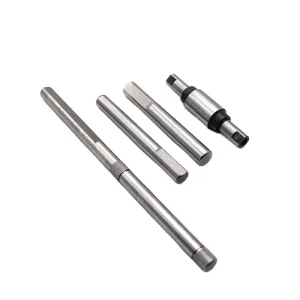
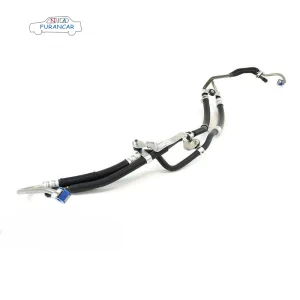
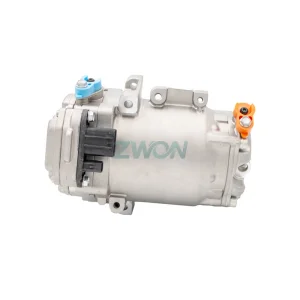
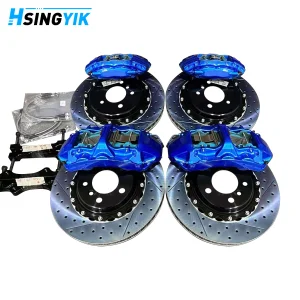
Premium OEM and aftermarket components designed for high durability and performance under strict field conditions.
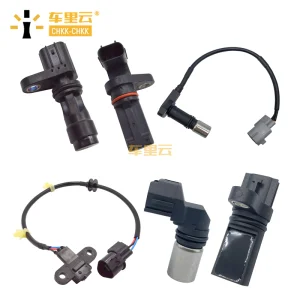
 Yihe Auto