High-precision auxiliary components and critical parts for automotive energy distribution networks.
In the era of smart mobility and electrified transport, the definition of Car Batteries has expanded far beyond simple SLI (Starting, Lighting, and Ignition) lead-acid systems. Modern vehicles demand integrated energy architectures where electrochemistry, high-efficiency thermal regulation, and digital sensor telemetry operate in perfect synchronization.
As the world's primary export hub for automotive technology, China's car battery and system component manufacturing sector has transitioned from a volume-centric producer to a high-technology innovator. Industry procurers are no longer merely buying commodity products; they are establishing partnerships to co-design and secure key components, including liquid-cooled battery thermal systems, high-accuracy Tire Pressure Monitoring Systems (TPMS), high-amperage automotive switching relays, and microchannel aluminum cooling extrusions.
For Tier 1 automotive suppliers and heavy machinery distributors globally, the objective is dual-fold: secure a robust supply of high-cycle battery technologies, and source high-tolerance components that guarantee the safety, life span, and thermodynamic efficiency of those batteries within harsh operational environments.
Analysis of modern procurement requests reveals that industrial buyers from North America, the European Union, and ASEAN regions prioritize structural integrity, thermal safety, and electromagnetic compliance. The core focus areas driving global battery and automotive system sourcing include:
With high-output EV architectures adopting 800V fast-charging protocols, battery cells must be actively cooled using liquid circulation channels, keeping operating temperatures within the critical 15°C to 35°C window to prevent thermal runaway.
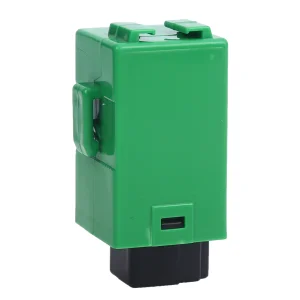
Reliable miniature switching systems, such as 12V 30A flashing and isolation relays, prevent parasitic battery drainage and secure individual electronics clusters from sudden power surges during engine ignition cycles.
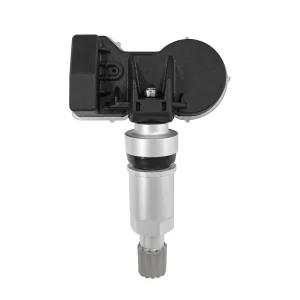
Real-time telematics through intelligent Tire Pressure Monitoring Systems (TPMS) and ADAS sensor supports minimize mechanical rolling resistance, improving battery performance and maximizing vehicle range.
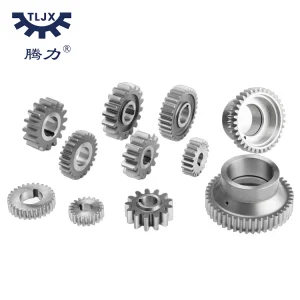
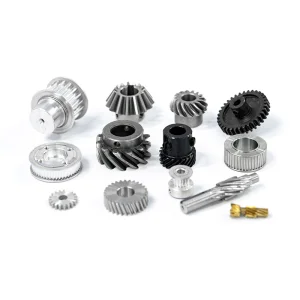
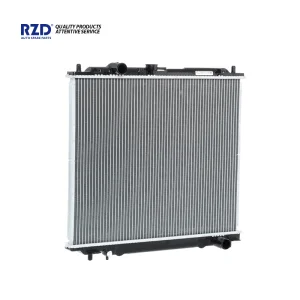
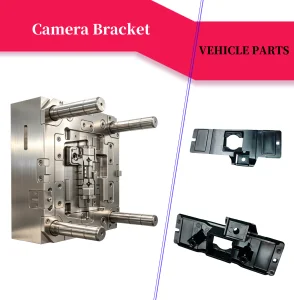
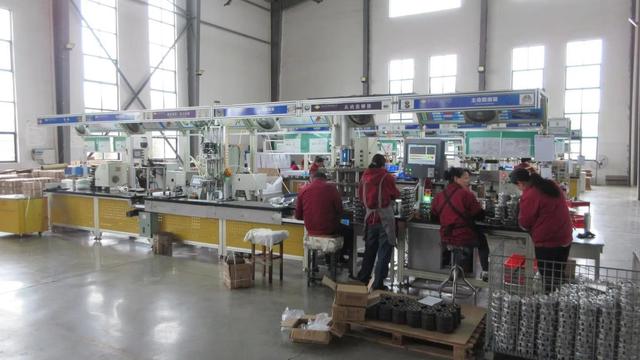
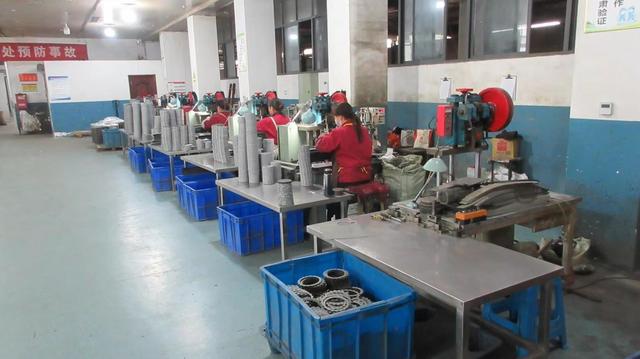
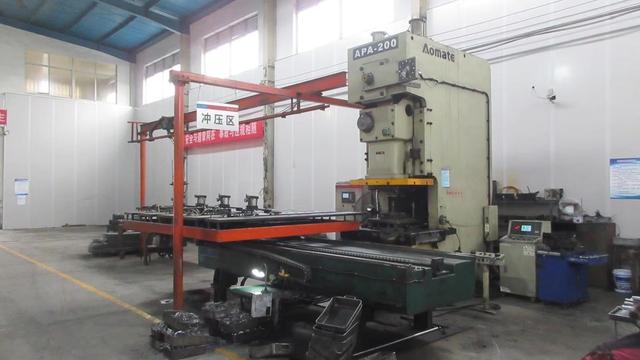
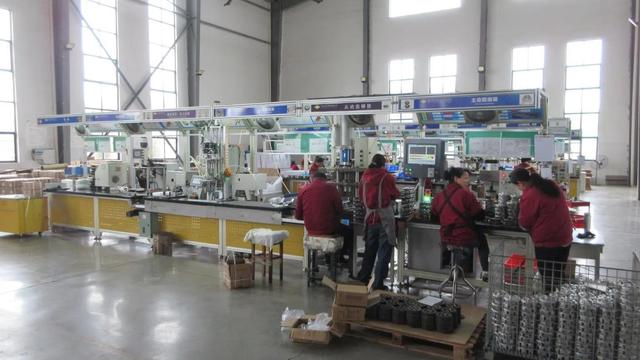
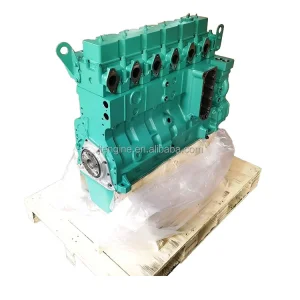
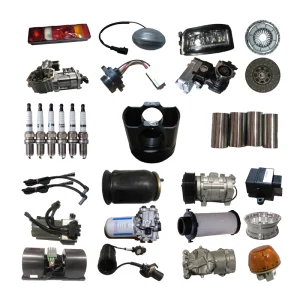
A major player supporting this technological integration is Guangzhou Yihe Auto Co., Ltd., a premier, highly integrated automotive components developer based in Guangzhou, China. Dedicated to engineering excellence, Yihe Auto operates state-of-the-art production facilities optimized for the modern supply chain. The company provides critical hardware systems across various domains: engine blocks, mechanical gear transmissions, radiator cooling modules, suspension setups, and electronic integration housings.
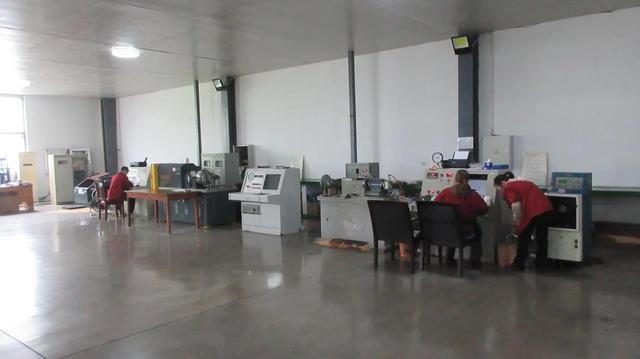
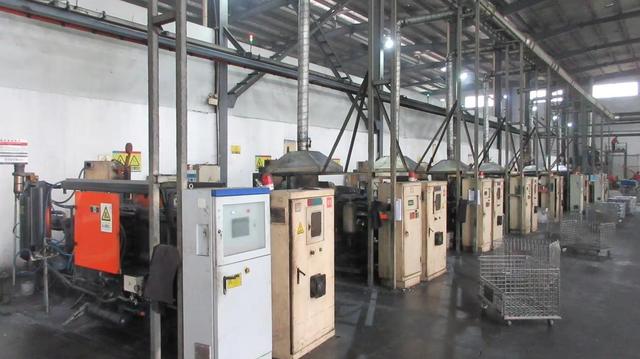
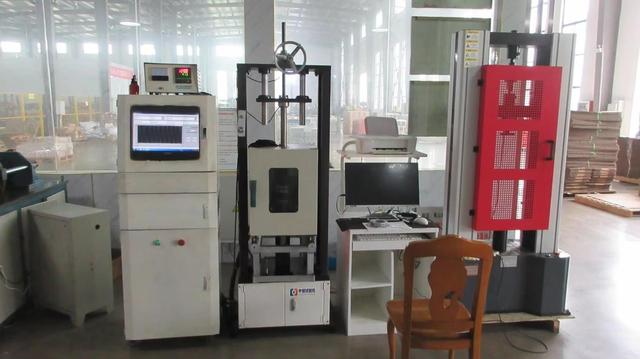
Quality, precision, and longevity are the bedrock of their operations. By implementing automated manufacturing lines and strict IATF 16949-compliant quality control protocols, Yihe Auto ensures that every piece of machinery and hardware meets the most demanding operating standards. For global B2B procurement partners, they offer a unified, comprehensive solution spanning custom prototyping (OEM/ODM), volume manufacturing, testing verification, and global logistics distribution.
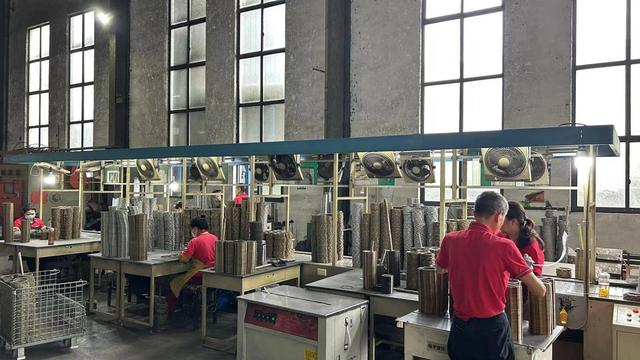
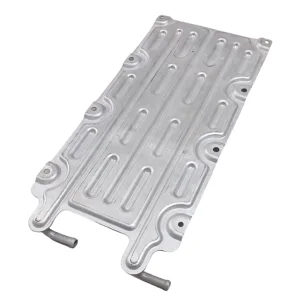
In the design of high-power lithium battery packs, thermal distribution is the leading factor affecting capacity retention and cycle longevity. Sourcing a high-performance Aluminum Battery Cooling Plate is essential for maintaining uniform temperatures across all battery cells. Using advanced liquid cooling plates equipped with microchannel structures ensures highly efficient, low-resistance fluid flow to manage temperatures effectively.
Modern cooling configurations rely on custom-designed, multi-port extruded aluminum pipes and brazed cold plates. The plates are positioned directly under or between the battery cells. Liquid coolant (typically a mixture of water and ethylene glycol) is pumped through the microchannels, absorbing heat directly from the cells.
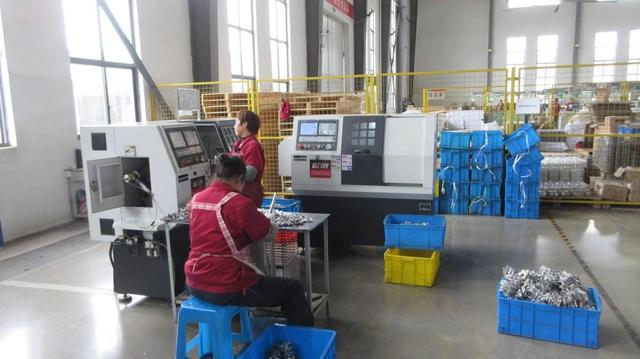
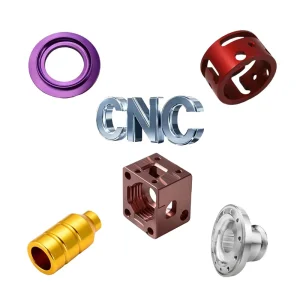
By utilizing specialized alloys (such as the 3000 series aluminum, known for its superior anti-corrosion properties and formability), and pairing them with high-precision CNC machining, manufacturers like Guangzhou Yihe Auto supply complex, customized thermal management accessories to meet the demanding parameters of modern EV battery architectures.
Procuring vehicle battery components and complex automotive systems requires strict adherence to international safety certifications and risk mitigation frameworks. Prioritize suppliers that demonstrate comprehensive compliance across the following parameters:
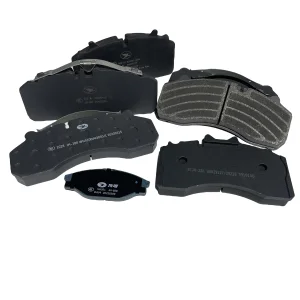
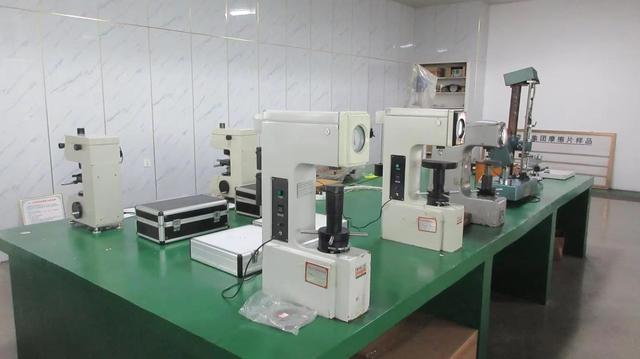
For heavy-duty applications (such as dump trucks, excavator replacement parts, and heavy-chassis semi-trailers), structural integrity is non-negotiable. Material certifications (e.g. SGS chemical compositions analysis), hardness testing, and pressure drop tests for liquid cold plates must be verified at the raw materials level before assembly lines begin volume production.
Looking toward the turn of the decade, the integration of solid-state batteries and intelligent chassis configurations will redefine the global supply chain. Strategic B2B procurement managers should monitor the following key developments:
Cell-to-Pack (CTP) and Cell-to-Chassis (CTC) designs remove modular casing divisions, integrating cooling plates directly into the main frame of the car body for maximum volumetric efficiency.
Combining smart TPMS array networks with predictive AI inside the Battery Management System (BMS) allows vehicles to adjust energy delivery and cooling intensity dynamically based on real-time driving conditions.
Increasing pressure on resource scarcity will prioritize exporters that offer closed-loop raw material recycling agreements, securing long-term pricing stability for core cell manufacturing elements.
Answers to critical technical, logistical, and mechanical questions asked by B2B buyers.
Procurers must prioritize mechanical flatness tolerance (typically within 0.1-0.2mm), structural pressure rating (ability to withstand pressure testing of up to 4-5 bar without leakage), thermal conductivity performance of the selected alloy (e.g. 3003-H14), and internal surface smoothness to prevent long-term coolant micro-channel blockage.
Miniature switching relays manage low-voltage signal communication, isolating pilot control circuits from high-power distribution lines. This prevents transient high-voltage feedback spikes from destroying expensive vehicle diagnostic sensors, computers, and battery health controllers.
Under-inflated tires increase the vehicle's rolling resistance, causing the main battery pack to discharge faster under high loads, reducing overall vehicle range. Real-time TPMS alerts ensure optimal tire pressures, preventing unnecessary energy depletion and battery cell stress.
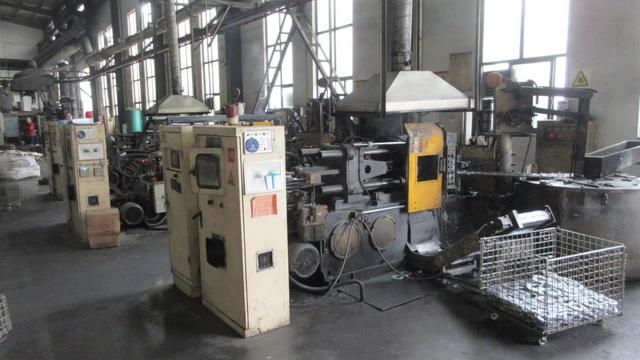
Yihe Auto utilizes CNC milling, high-precision casting operations, and automated coordinate measuring machines (CMM) to verify physical tolerances down to the micrometer. Standard production routes are audited continuously to maintain alignment with international TS/IATF certifications.
Robust parts engineered for heavy transport and structural stability under extreme load conditions.
 Yihe Auto