 Yihe Auto
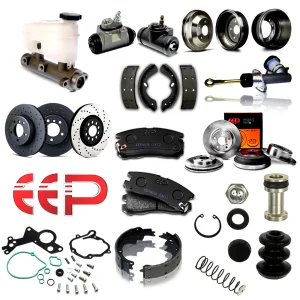
Chile represents one of South America's most dynamic and open economies, distinguished by a highly diversified automotive vehicle population. Due to the lack of a domestic vehicle manufacturing industry, the country relies entirely on imports, creating a vibrant aftermarket for brake system components. Key commercial hubs such as Santiago, Valparaíso, Concepción, and the free-trade zone of Iquique (ZOFRI) act as vital entry ports and distribution centers for brake rotors, pads, calipers, and pneumatic valves.
The unique geography of Chile—stretching over 4,200 kilometers along the Pacific coast and bordered by the high-altitude Andes Mountains—presents unparalleled mechanical challenges. Brake components operating in Chile must handle extreme elevation changes, continuous downhill gradients, and sharp temperature swings. From heavy-duty mining haulers in the Atacama Desert to delivery fleets negotiating urban traffic in Santiago, thermal stability and wear resistance are non-negotiable criteria.
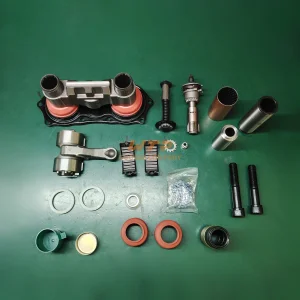
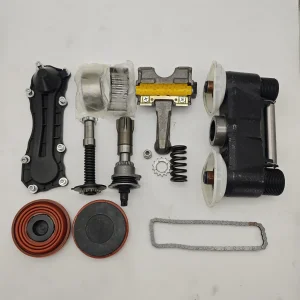
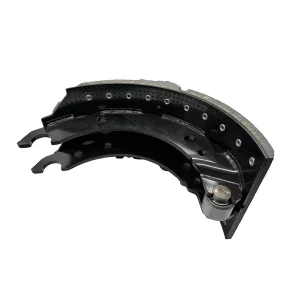
Heavy duty trucks and trailers are the lifelines of the Chilean economy, transporting timber, fruit, and mineral resources across key national highways like Ruta 5. Consequently, fleet operators and spare parts distributors prioritize heavy duty trailer brake shoes, air brake caliper repair kits (e.g., Scania, Volvo, and BPW profiles), and high-durability friction materials to ensure uninterrupted logistics operations and minimize costly vehicle downtime.
Importing and distributing safety-critical automotive components in Chile demands strict compliance with national safety frameworks. The primary regulatory body, the Centro de Control y Certificación Vehicular (3CV) under the Ministry of Transportation and Telecommunications (MTT), mandates rigorous safety inspections and testing standards for replacement brake parts.
Guangzhou Yihe Auto Co., Ltd. ensures that all manufactured brake system parts conform to international quality certifications, including ISO 9001:2015 and IATF 16949. This alignment guarantees that import distributors, fleet buyers, and retail networks across Chile receive products that seamlessly pass local customs audits and vehicle inspection centers (Plantas de Revisión Técnica - PRT).
Operating conditions in Chile require tailored material science and structural engineering. Standard consumer-grade brake components frequently fail when exposed to the extreme stresses of Chile's industrial sectors.
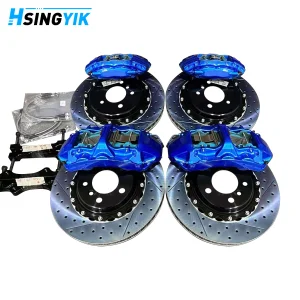
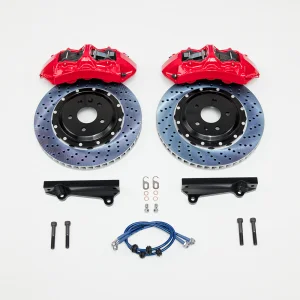
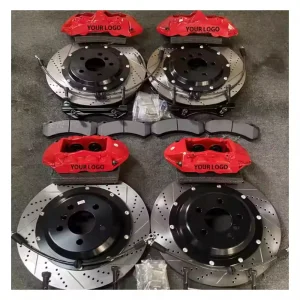
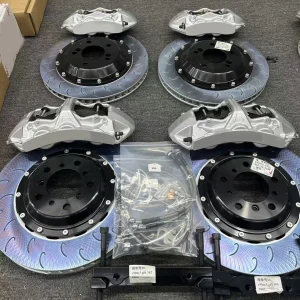
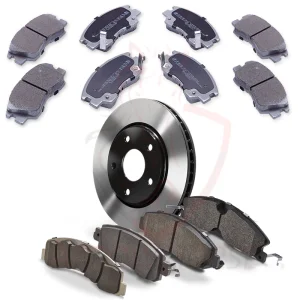
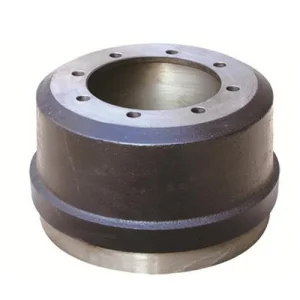
At high elevations in the Andean mining regions (such as Calama or Copiapó), thin air reduces the convective cooling efficiency of brake rotors. When laden vehicles descend steep mountain roads, brake rotors can exceed temperatures of 700°C. Yihe Auto's advanced big brake kits feature ventilated disc rotors with curved directional vanes and high-carbon metallurgy, significantly accelerating heat dissipation to prevent thermal fade.
Chile's key transport corridors run adjacent to the Pacific Ocean, exposing vehicles to high humidity and salt spray. Standard cast-iron brake components degrade rapidly under these conditions. To mitigate this risk, our premium brake rotors and calipers receive specialized anti-corrosion coatings (such as Geomet or zinc-nickel plating), ensuring structural integrity and cosmetic durability.
For Chilean procurement managers, sourcing directly from a top-tier Chinese manufacturer like Guangzhou Yihe Auto Co., Ltd. presents distinct economic and operational advantages:
Leveraging the Free Trade Agreement (TLC Chile-China), most automotive parts qualify for preferential tariffs (arancel cero). Yihe Auto provides all necessary documentation, including certificates of origin (Form F), to streamline customs clearance.
From specific caliper bracket designs for local vehicle profiles (such as SsangYong, Maxus, Changan, or RAM) to customized ceramic formulations for dust-free urban transit, our engineering team provides rapid prototyping and production flexibility.
Based in the industrial manufacturing hub of Guangzhou, we utilize direct shipping routes to Chile's primary ports of San Antonio, Valparaíso, and Iquique, ensuring stable supply chains and reduced lead times.
The Chilean automotive market is changing rapidly. Under the National Electromobility Strategy, Chile targets a 100% electric light-vehicle sales share by 2035. This shift significantly alters brake system requirements.
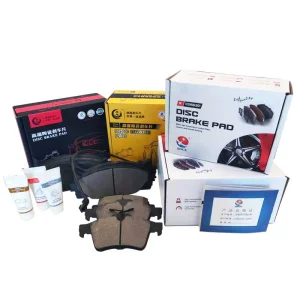
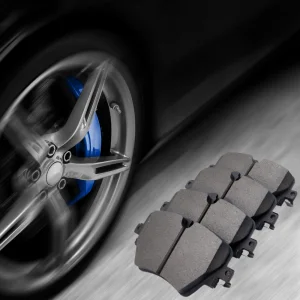
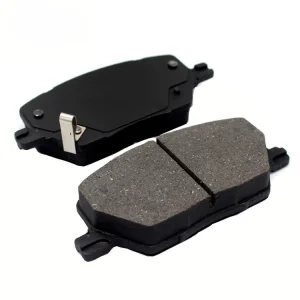
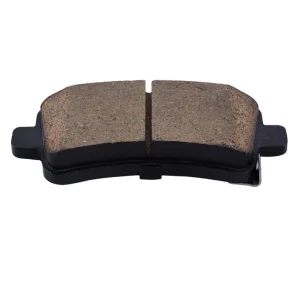
Electric vehicles (EVs) utilize regenerative braking systems, meaning friction brakes remain disengaged for longer periods. Consequently, brake pads and rotors run colder and are more susceptible to oxidation and moisture buildup. Our latest NAO ceramic formulations are engineered specifically to combat corrosion under low-temperature cycles while maintaining a high friction coefficient (GG rating) for emergency stops.
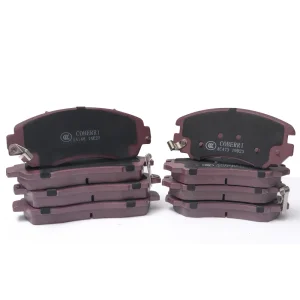
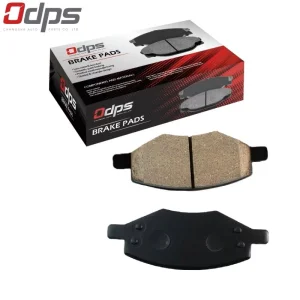
Although Chile is the world's leading copper producer, global regulations increasingly restrict the use of copper in friction materials due to its ecological impact on marine life. In response, Yihe Auto has developed next-generation, copper-free ceramic and semi-metallic pads. These advanced formulations replace copper with safe, bio-soluble mineral fibers that deliver excellent heat dissipation and stable pedal feel.
Find professional answers to common questions about technical specifications, logistics, regulatory compliance, and customized options for the Chilean market.