Chassis Parts Manufacturers & Factory for the Israel Market

Premium OEM/ODM Engineering & Scalable Manufacturing Solutions for Commercial Fleets, Heavy Infrastructure Machinery, and Smart Electric Mobility in Israel

Strategic Analysis of the Israeli Automotive, Machinery & Infrastructure Chassis Market

The State of Israel presents a highly sophisticated, high-barrier-to-entry market for automotive and machinery chassis components. Driven by massive national infrastructure expansions, deep-rooted security requirements, and a rapid paradigm shift toward electric mobility, Israeli procurement managers demand components that exceed standard regulatory levels. Because Israel is a global epicenter for autonomous driving technology, LiDAR integration, and defense vehicle fabrication, components sourced for this market must satisfy rigorous specifications for mechanical strength, durability, and corrosion resistance.

Key drivers within Israel’s industrial landscape include:

  • Aggressive Environmental & Climatic Factors: Operational zones varying from the arid, high-temperature Negev Desert to the high-salinity coastal areas of Haifa, Tel Aviv, and Ashdod require specialized surface coatings (such as multi-layer cathodic electrophoretic painting and hot-dip zinc platings) to prevent rust and stress corrosion cracking.
  • Strict Compliance to Ministry of Transport (MOT) Directives: Israel enforces severe technical regulations aligned with European Union directives and ISO standards. Importing heavy machinery or automotive steering and structural items demands high-level testing documentation, mill test reports (MTRs), and certifications (including IATF 16949).
  • E-Mobility Transformation: With Israel targeting 100% zero-emission new passenger vehicles by 2030, localized assembly lines and fleet operators are searching for specialized EV battery cooling plates, structural frame brackets, and advanced lightweight stamping kits designed for electric drivetrains.

Guangzhou Yihe Auto Co., Ltd.: A Certified Global OEM/ODM Partner

Guangzhou Yihe Auto Co., Ltd. is a highly specialized manufacturer and exporter of precision automotive systems, heavy vehicle chassis components, and custom sheet metal stampings. Operating from state-of-the-art facilities in Guangzhou, China, we offer integrated design-to-delivery workflows that help Israeli tier-1 suppliers, logistics operators, and agricultural distributors overcome supply chain friction.

Our focus on E-E-A-T (Experience, Expertise, Authoritativeness, and Trustworthiness) guides our manufacturing protocols, material testing, and traceablity pipelines. We guarantee that every product shipped to Ashdod or Haifa ports meets or exceeds original equipment specifications.
15+

Years Engineering Experience

IATF

16949:2016 Certified

1200T

Max Stamping Capacity

100%

Material Traceability
Macro Industry Solutions & Manufacturing Capabilities

How our advanced manufacturing methodologies address the technical demands of Israeli industrial operators and procurement managers.

Precision CNC & Stamping Tech

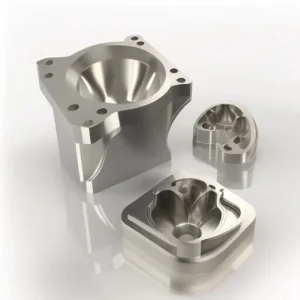
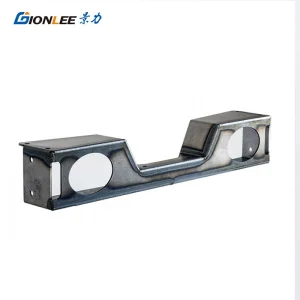
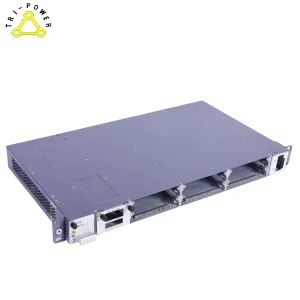
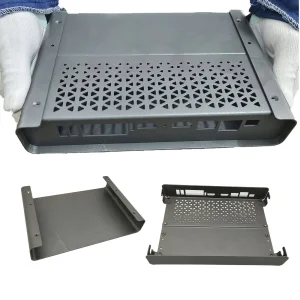
Utilizing high-capacity mechanical stamping presses (up to 1200 tons) paired with progressive dies, we fabricate structural brackets, server chassis enclosures, and safety components. High-precision 5-axis CNC machining centers secure exact dimensional tolerances within ±0.01mm, guaranteeing seamless field assembly.

Metallurgical Rigor & Advanced Coatings

We source certified structural steels (Q355D, Q460, Domex 700) and automotive-grade aluminum alloys (6061-T6, 5052-H32). Surface treatments are configured for the coastal salinity of Israel, featuring advanced zinc-nickel platings, hot-dip galvanization, and cathodic electrodeposition (KTL coating).

Agile Supply Chain for Israeli Ports

We manage direct ocean freight services to Ashdod and Haifa, offering optimized packaging setups to prevent moisture damage during transit. Our dedicated logistics team processes all necessary export documentation, facilitating efficient customs clearance at Israeli checkpoints.

Technical Spec Standards & Compliance Documentation

To comply with the Standards Institution of Israel (SII) and Ministry of Transport (MOT) import criteria, automotive and industrial parts must possess robust engineering documentation. Every production batch at Guangzhou Yihe Auto is subjected to strict quality inspections. The table below represents the benchmark parameters of our manufacturing capability for the Israeli market.

Chassis System Category Material Standard Testing & Inspection Protocols Compliance / Certification
Heavy-Duty Steering & Axles AISI 4140, 42CrMo4, Q355D Magnetic Particle Inspection (MPI), Ultrasonic NDT, Charpy V-Notch Impact Test IATF 16949, EN 10204 3.1
EV Battery Plates & Thermal Plates Al-Mg-Si Alloys (6000 series) Friction Stir Welding (FSW) Leak Test, Helium Mass Spectrometer Testing, CMM Geometry Validation ISO 9001:2015, SGS Report
Stamped Sheet Metal & Rack Enclosures SPCC, SECC, SGCC, Al5052 Salt Spray Testing (up to 1000 hrs ASTM B117), Coating Thickness Gauging, Tensile Testing RoHS, REACH, SII Compliant
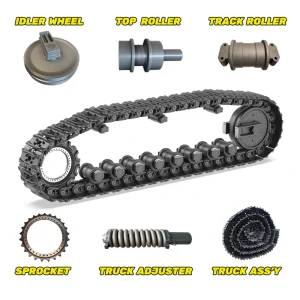
Excavator & Bulldozer Undercarriage High Manganese Steels, Boron Steels Rockwell Hardness (HRC 52-58), Microstructure Analysis, Depth of Hardening Verification ISO 14001, CE Certification

Furthermore, our engineering department provides Finite Element Analysis (FEA) data sheets, CAD models, and mold-flow simulations during the prototyping phase to verify that components like custom structural braces or heavy trailer hitches will withstand the dynamic stresses of off-road and high-load transport applications in construction projects across Jerusalem, Beersheba, and the Galilee region.

Industrial Manufacturing Capabilities & Technical Roadmap

At Guangzhou Yihe Auto Co., Ltd., our engineering roadmap focuses on reducing structural mass while increasing high mechanical fatigue thresholds. As vehicle electrification expands throughout Israel's transit fleets, our R&D specializes in advanced structural fabrications:

1. Thermal Management & EV Integrations: Our CNC-machined battery cooling plates use friction stir welding (FSW) to joint thin-gauge aluminum sections without heat distortion. This creates strong seals capable of withstanding extreme hydraulic pressure test criteria, keeping EV systems operating safely in desert heat.

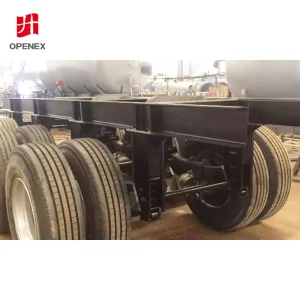
2. Advanced Robotic Welding & Quality Verification: To eliminate structural failures in heavy trailers and agricultural transport components, we use robot-operated MIG/TIG welding workstations. High fatigue zones are checked using Ultrasonic Non-Destructive Testing (NDT) to ensure long-term structural integrity.

3. Custom Tooling & Rapid Prototyping: We design and build stamping dies and progressive forming tools in-house. This gives us full control over mechanical tolerances and allows us to provide rapid prototyping for Israeli technology startups and industrial vehicle developers.

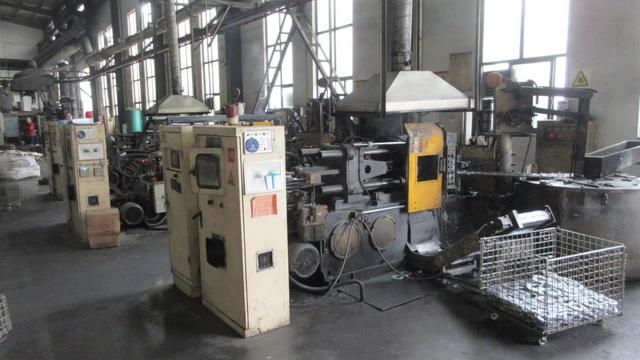
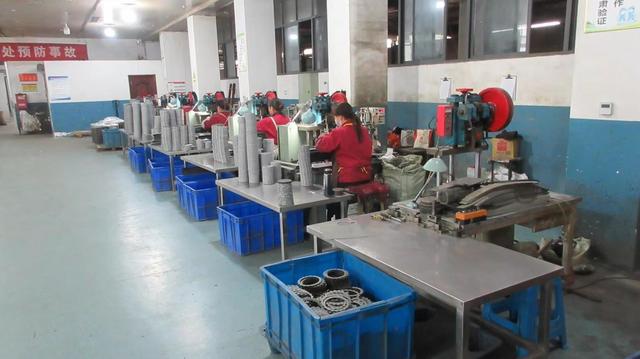
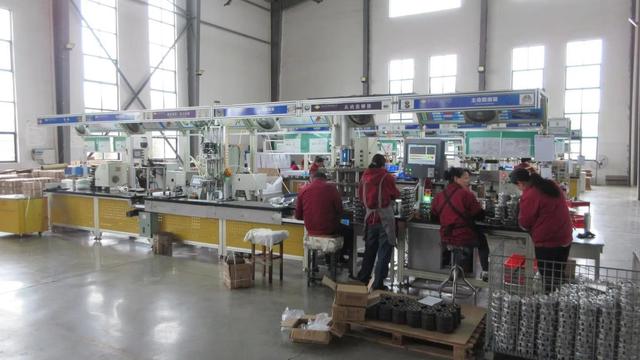
Industrial Automotive Chassis Component Manufacturing Plant

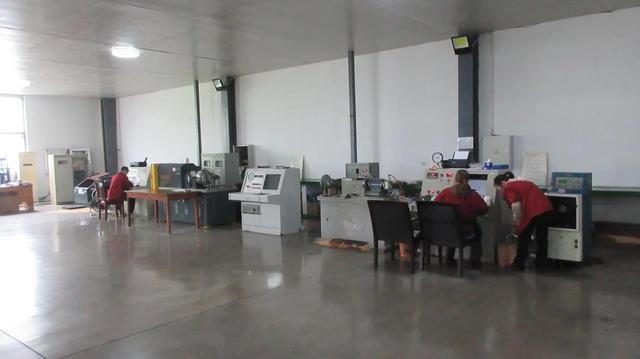
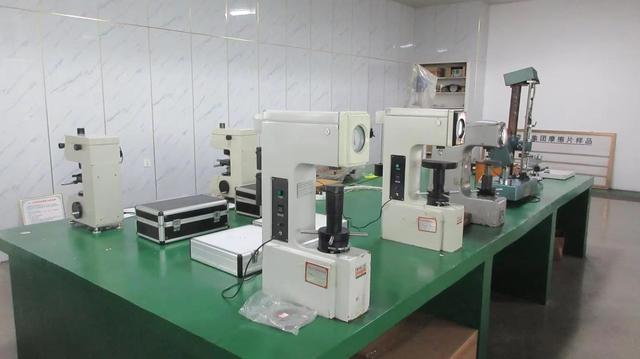
Our material sourcing network guarantees that all sheet metal stampings, cast components, and machined forging systems are manufactured from high-grade raw stock. Standard mechanical and chemical analyses are backed by certified laboratory test reports (including chemical composition and tensile testing) to streamline certification with Israel's import authorities.

Deep Technical Whitepaper: OEM Chassis Q&A

Technical answers, regulatory details, and material insights designed for engineering leads, quality controllers, and purchasing directors in Israel.

Q1: What structural grades of steel and aluminum do you use for high-stress heavy vehicle parts shipped to Israel?
For structural chassis stampings and weldments, we utilize high-strength, low-alloy (HSLA) steels like Q355D, Q460, and certified European equivalents such as S355JR or Domex 700. For steering systems and forged pins, we process 42CrMo4 and AISI 4140 alloy steel, hardened to exact client specifications. For EV battery cooling components and lightweight guards, we employ aluminum alloys 6061-T6 and 5052-H32 to achieve the optimal strength-to-weight ratio.
Q2: How does Guangzhou Yihe Auto protect components against Israel's harsh coastal and desert environments?
To combat the high humidity and salt spray along Israel's coastline and the dry heat in desert zones, we offer advanced surface treatments. Our standard coatings include cathodic electrophoretic painting (KTL/E-coat), hot-dip galvanizing (HDG) to EN ISO 1461 specs, and zinc-nickel alloy platings. These surface finishes are validated by salt spray testing (ASTM B117) exceeding 1000 hours without red rust, guaranteeing long-term durability.
Q3: What certifications do you provide to help us meet the Standards Institution of Israel (SII) import requirements?
We supply complete documentation packages to simplify import approval from the Israeli Ministry of Transport. Our shipments include IATF 16949:2016 quality management certificates, ISO 9001:2015 approvals, EN 10204 type 3.1 material certificates, dimensional report maps from Coordinate Measuring Machines (CMM), and metallurgical test results.
Q4: Do you support low-volume production runs or customized tooling for specialized Israeli defense and logistics vehicles?
Yes, our factory has a dedicated custom tooling shop for OEM and ODM projects. We support low-volume prototype development for Israeli engineering companies, offering flexible tooling setups for production runs from 100 to 50,000+ units.
Q5: How do you verify the leak-proof integrity of liquid-cooled EV plate chassis components?
For EV battery cooling plates, we use automatic friction stir welding (FSW) and test 100% of the parts for leaks. We perform helium mass spectrometer leak detection and high-pressure water channel tests to guarantee the components remain completely sealed under high operating pressures.
Q6: What is the typical lead time from design approval to delivery at Haifa or Ashdod Port?
Tooling design and sample fabrication take 25 to 35 days depending on part complexity. After sample approval, mass production takes 30 days. Shipping from Guangzhou to Haifa or Ashdod ports takes approximately 20 to 30 days, meaning completed components can arrive in Israel within 75 to 95 days from initial purchase order placement.
Q7: How do you prevent packaging damage and oxidation during sea transit across high-humidity ocean routes?
We use specialized export packaging to prevent sea-air oxidation. Raw metal and machined parts are coated with light rust-inhibiting oils and sealed in VCI (Volatile Corrosion Inhibitor) bags with silica desiccant packs. Heavy items are secured in reinforced ISPM-15 heat-treated wooden crates to prevent movement and damage during transit.
Q8: Can we send our engineering team to audit your factory in Guangzhou?
Yes, we welcome on-site factory audits by our clients and third-party inspection firms (like SGS, TÜV, or Bureau Veritas). We also provide remote video audits, real-time video inspections, and detailed documentation packages to verify our production standards for your engineering team.