High-performance transmission parts tailored to the heavy duty, agricultural, and automotive sectors in South America.
Brazil represents the industrial powerhouse of South America, boasting a sophisticated manufacturing ecosystem that integrates automotive, commercial shipping, heavy mining, and massive agricultural infrastructure. Drivetrain components are the literal gears that keep this massive industrial base moving. In states like São Paulo, Rio Grande do Sul, and Paraná, heavy equipment assembly lines require reliable tier-1 and tier-2 supply chains that can deliver performance without failure.
The industrial landscape in Brazil has uniquely demanding conditions. In agricultural heartlands like Mato Grosso, tractors, sugarcane harvesters, and high-clearance sprayers operate in red dust and extreme humidity. This harsh operating environment calls for drivetrain components with high fatigue life, advanced metallurgy (such as carburized 20CrMnTi alloy steel), and reliable sealing systems. Without these premium materials, operations face catastrophic down-times during critical harvesting seasons.
Furthermore, Brazil's push toward local re-industrialization combined with global supply chain relocations has placed pressure on procurement managers. Local manufacturing alone cannot meet the soaring demand for highly specialized, micro-tolerance gears, custom alloy forgings, and specialized housings. Smart procurement teams are forging direct partnerships with global manufacturing centers that provide the ideal balance between cost efficiency and high manufacturing precision.
Navigating the import framework in Brazil, frequently referred to as "Custo Brasil" (the Brazil Cost), is one of the biggest challenges for manufacturing supply chains. Complex tax structures including IPI (Industrialized Products Tax), ICMS (State Value Added Tax), and import tariffs require precise logistical planning and flawless documentation. Choosing a global manufacturing partner that understands these challenges is vital to preventing lengthy delays at customs checkpoints like Port of Santos or Port of Paranaguá.
Certain safety-related drivetrain components require mandatory certification from INMETRO (National Institute of Metrology, Quality and Technology). We ensure compliance by matching chemical compositions, mechanical tolerances, and heat treatment certifications to Brazilian automotive and industrial safety standards.
We optimize product classification under the Mercosur Common Nomenclature (NCM) system. Correct NCM classification, combined with comprehensive packing lists and Certificates of Origin, helps avoid classification penalties and speeds up clearance times from weeks to days.
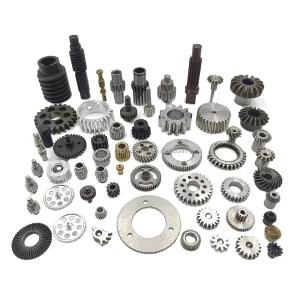
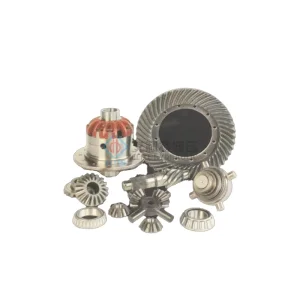
To support continuous manufacturing programs, we facilitate freight consolidation. By grouping diverse gear systems, differential units, and shafts into single ocean container shipments, we dramatically lower overhead logistics costs per unit.
Moreover, local language support (Portuguese technical drawings review) and cross-border engineering collaboration are major advantages. Technical parameters like module sizes, pressure angles, spline counts, and custom tolerances are verified by our team before forge tooling or mass CNC programming starts, preventing costly misunderstandings.
Guangzhou Yihe Auto Co., Ltd. stands as a premium supplier in China’s industrial manufacturing sector, providing fully integrated solutions from raw metallurgical selection to precise CNC finishing and heat treatment. The cost advantages of sourcing from our Chinese operations go far beyond simple labor savings; it is the sheer density of the raw material supply chain, nearby state-of-the-art forge shops, and automated finishing equipment that drives down prices while scaling production.
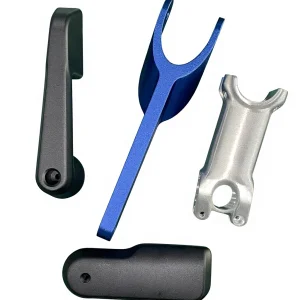
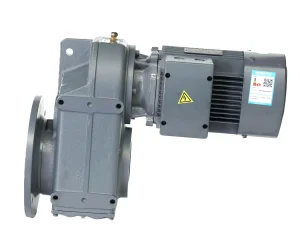
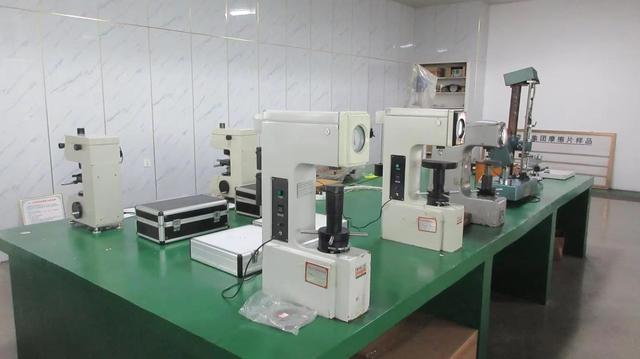
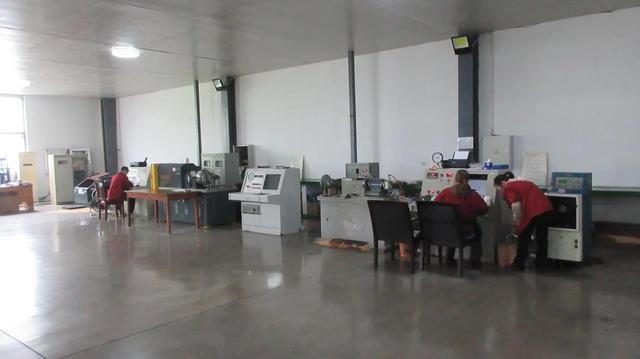
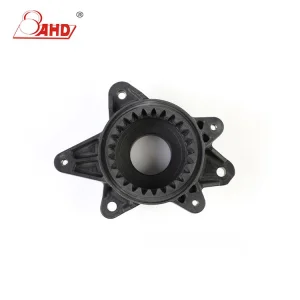
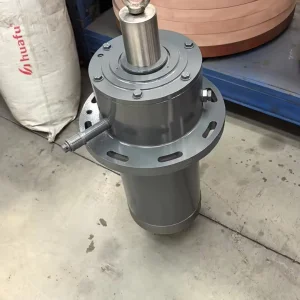
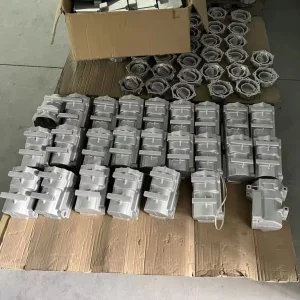
By leveraging certified systems including ISO 9001 and IATF 16949, our plants ensure every component—whether it is a custom planetary gear set, a large 160kg horizontal axis drive housing, or a lightweight forged aluminum chassis link—undergoes strict non-destructive testing, coordinate measuring machine (CMM) dimensional checks, and surface hardness verification.
Our engineering team offers extensive OEM and ODM customization. Brazilian machinery builders can send original CAD files, 2D drawings, or physical reference samples. We then create optimized toolpaths, design custom forging dies, and recommend optimal heat treatment processes (such as gas carburizing or induction hardening) to extend the component’s operational lifetime in Brazil's agricultural or industrial settings.
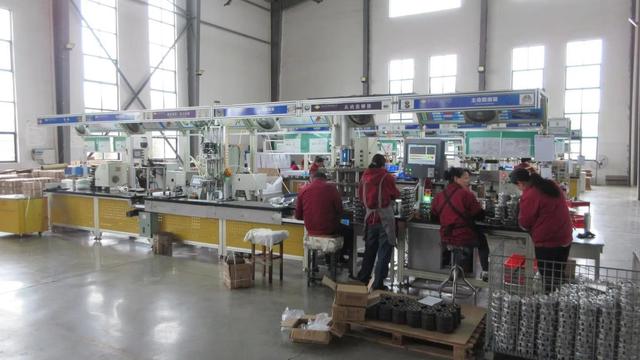
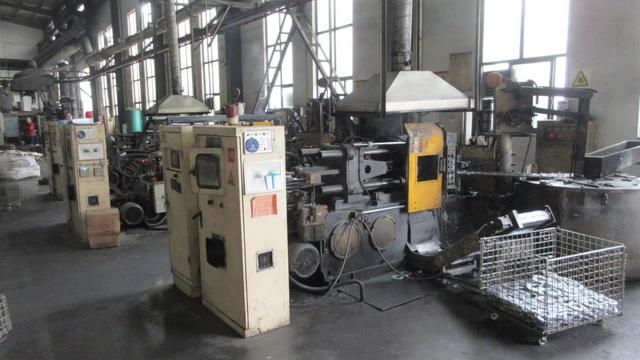
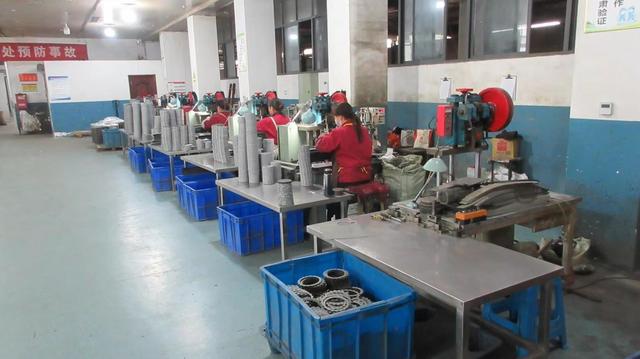
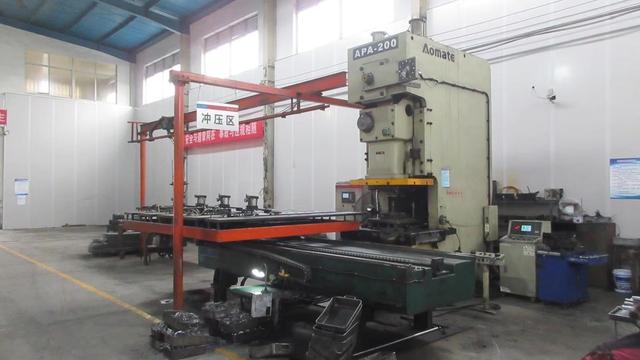
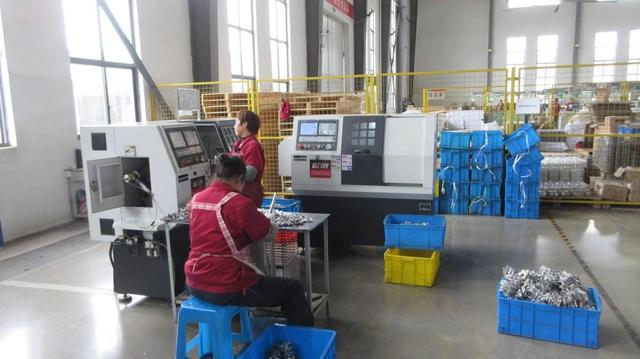
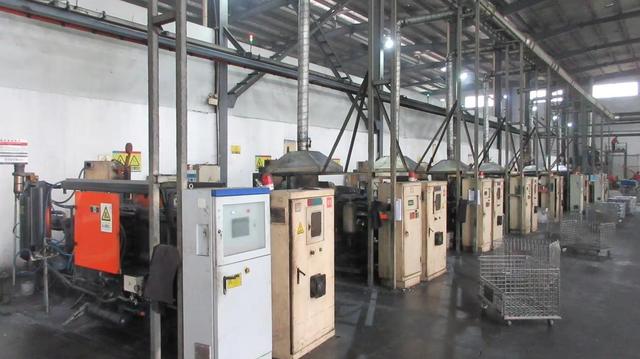
Continuous investment in automation, high-precision machining, and meticulous quality control.
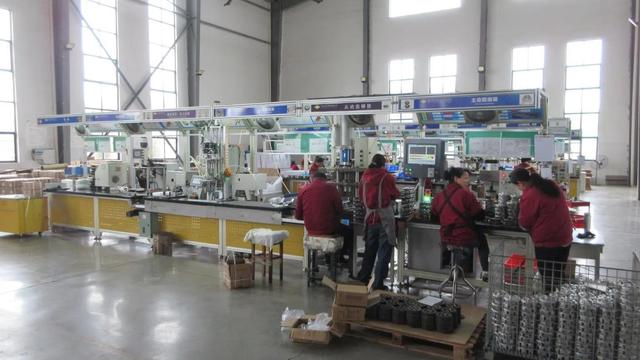
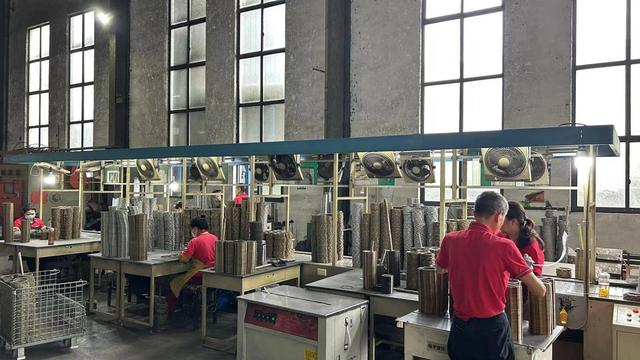
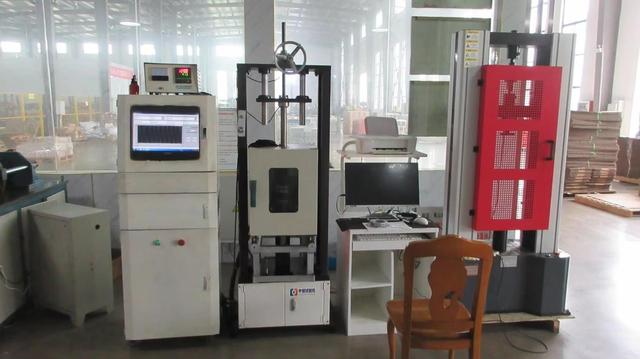
How our custom engineered components satisfy the unique operational realities of local industries.
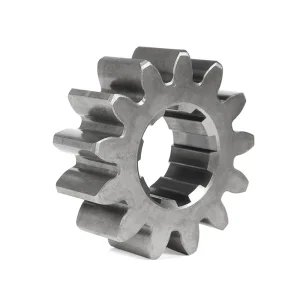
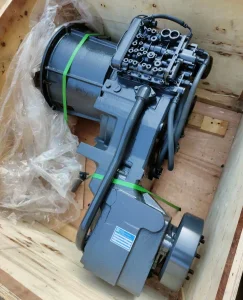
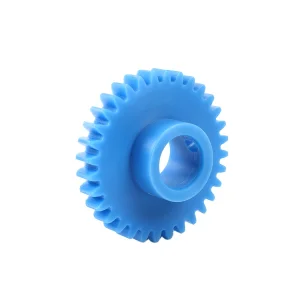
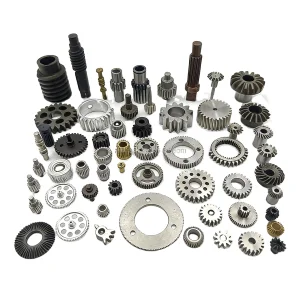
Our heavy spur gears and robust gearboxes are deployed in heavy mechanical harvesters. They handle continuous high torsional shocks when shredding sugarcane under dense agricultural workloads.
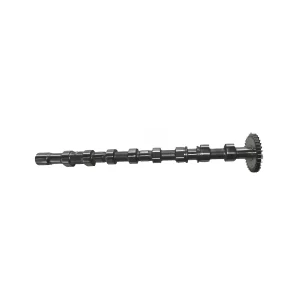
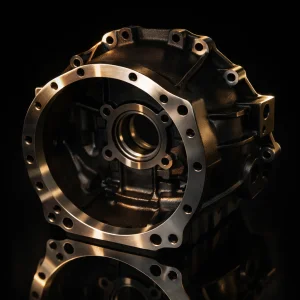
SG Iron differential housings and precision-machined axle shafts are utilized in commercial truck fleets traversing interstate highways from Mato Grosso to coastal export ports.
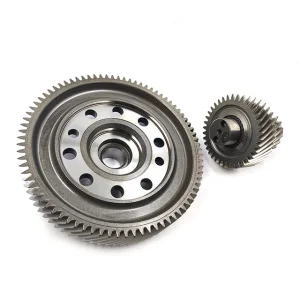
For planetary gear configurations in earthmovers, we supply IATF 16949 certified high-torque planetary gear sets capable of running continuously in dusty mining sites.
Lightweight forged aluminum components and custom-ratio gear assemblies drive automation lines inside automotive parts fabrication plants in the ABC Paulista industrial region.
Ensure reliability across your assembly lines with these high-precision, factory-direct components.
The global mechanical power transmission market is undergoing a structural transition toward lightweight, low-noise, and higher-efficiency gear geometry. In Brazil, urban logistics fleets are progressively introducing hybrid and pure electric powertrains to comply with city carbon emission standards. This transformation directly influences drivetrain engineering requirements:
As standard modules shift toward complex tooth modifications (such as longitudinal crown modification and profile modification), partners that have modern gear grinding and profile measurement laboratories are becoming crucial for engineering groups.
Detailed professional answers to the most common technical and logistics inquiries.
Typically, tooling fabrication and prototype approval take 15 to 25 days. Mass manufacturing takes 30 to 40 days depending on component volume. Sea transport from China ports (Guangzhou, Ningbo, Shanghai) to the Port of Santos or Paranaguá is approximately 35 to 45 days. We advise planning a buffer inventory of 90 days for continuous manufacturing projects.
Our quality management team implements full process controls: Raw material spectrographic evaluation, heat treatment trace reporting (furnace charts), 3D CMM coordinate dimensions reports, and ultrasonic flaw testing. Inspection reports and certificate copies are included with shipping documents.
Yes. Our engineering division has comprehensive reverse-engineering software capabilities. By examining physical gears or processing CAD/step files, we produce compatible replacement parts or upgraded planetary systems that correspond directly to original manufacturer specs.
We supply complete documentation including custom invoices, detailed packing slips matching NCM standards, and bills of lading. Our experienced export dispatch division works alongside your chosen customs broker to secure swift customs release, preventing demurrage costs.
For high-shock agricultural machinery (e.g., harvesting gears), we recommend 20CrMnTi alloy steel with carburized heat treatment to achieve optimal surface hardness (HRC 58-62) with a resilient, shock-absorbing core. For automotive differential components or transmission gear shafts, high-strength SG Iron (spheroidal graphite) or custom carbon steels are utilized to provide structural fatigue strength.
 Yihe Auto