As modern transport platforms transition to higher power density and electrification, the demand for resilient power infrastructure has escalated. In this dynamic landscape, high-conductivity heavy-duty battery cables represent the critical arteries of energy delivery, connecting primary energy storage devices to propulsion motors, control arrays, auxiliary systems, and ground charging interfaces. Guangzhou Yihe Auto Co., Ltd. stands as a premier automotive components supplier and advanced wiring systems developer in China, integrating state-of-the-art manufacturing methodologies to design, engineer, and export world-class electrical transmission assemblies to global markets.
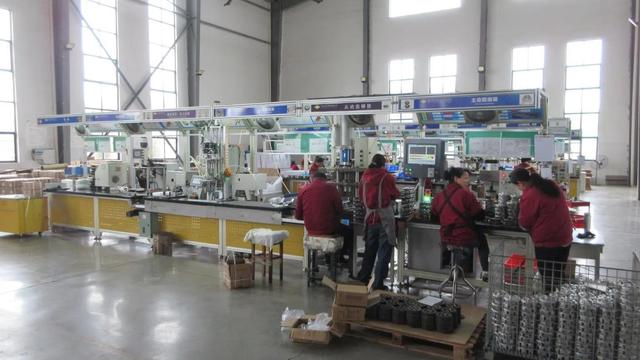
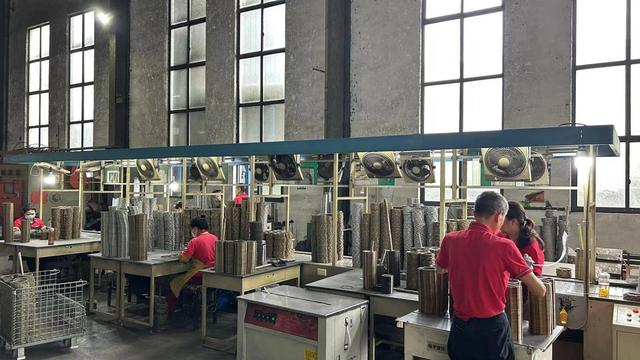
Our comprehensive production facility combines technical expertise with robust mechanical capabilities, yielding high-performance solutions capable of meeting the stringent requirements of passenger vehicles, heavy-duty commercial trucks, electric vehicles (EVs), buses, and rugged industrial excavation equipment. By leveraging advanced tooling, pure copper conductor metallurgy, and high-integrity polymer insulation, we ensure our battery cables provide optimal power transmission with minimal voltage drop and long-term durability in extreme environments.
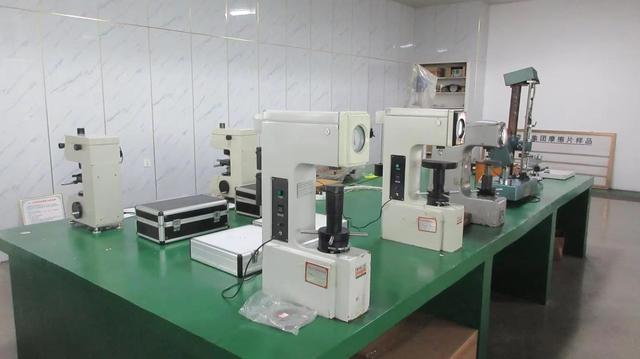
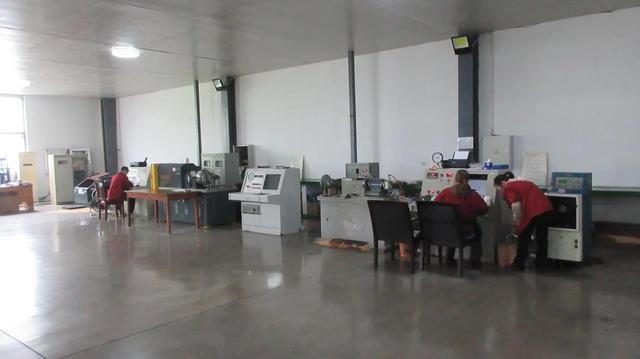
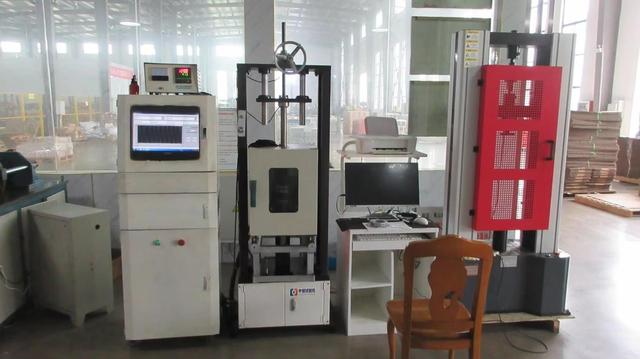
E-E-A-T Insight: Every battery cable manufactured by Guangzhou Yihe Auto undergoes intense validation testing, ensuring conformance with international standards including ISO 9001, IATF 16949, SAE J1127, and UL requirements. Our experience in supporting heavy machinery and commercial vehicles guarantees high-performance under thermal stress, mechanical vibration, and chemical exposure.
In the contemporary industrial sector, battery cables serve as much more than simple conductive paths; they are complex engineered sub-assemblies. The global market is expanding rapidly due to several overlapping macro trends:
Guangzhou Yihe Auto is at the forefront of the technical evolution shaping the power distribution market. Our research and development efforts focus on solving the primary pain points of modern electrical system design: weight reduction, high thermal tolerance, and advanced safety architectures.
We utilize ultra-flexible, multi-strand Class 5 and Class 6 bare or tinned oxygen-free copper (OFC) cores to maximize conductivity and flexibility. For specialized weight-critical applications, we implement engineered aluminum alloys equipped with specialized bi-metallic terminals to eliminate galvanic corrosion.
Our cables utilize Cross-Linked Polyethylene (XLPE) and silicone rubber formulations. These advanced materials provide superior resistance to ozone, flame, moisture, and engine fluids while maintaining structural integrity at temperatures ranging from -40°C to +150°C.
For electric propulsion paths, our orange-jacketed high-voltage battery cables feature integrated braided copper/aluminum foil shielding. This design minimizes Electromagnetic Interference (EMI), protecting sensitive automotive control networks and electronic components.
To deliver true "Information Gain" to engineers, procurement officers, and automotive parts distributors, we analyze the specific performance dynamics required across distinct industrial applications:
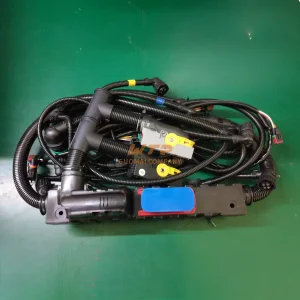
In heavy commercial trucks, the engine wiring harness operates close to intense heat sources. Products like our OEM Truck Engine & Transmission Wiring Harness for FH12/FM13/FL220 are built with heavy-duty battery cable junctions. These cables carry high-cranking currents to the starter motor and alternator while sustaining heavy mechanical vibrations from the drivetrain.
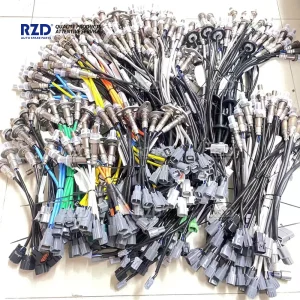
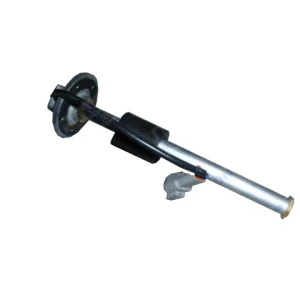
Excavator electrical systems, including those on Liugong machines, utilize high-capacity battery cables to power large starter motors and feed central power distribution blocks. These setups integrate with highly sensitive components, such as fuel level sensors and hydraulic monitoring arrays, demanding clean, ripple-free voltage delivery.
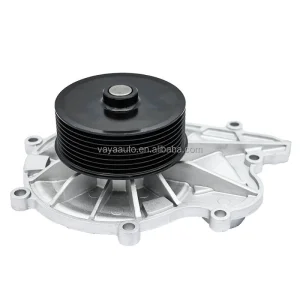
Continuous cooling is critical for high-horsepower engines. For Cummins engineering water pumps, high-gauge battery cables feed heavy-duty electrical cooling fans and control solenoids. Consistent power flow prevents thermal runaway and ensures steady water circulation through heavy-duty radiators.
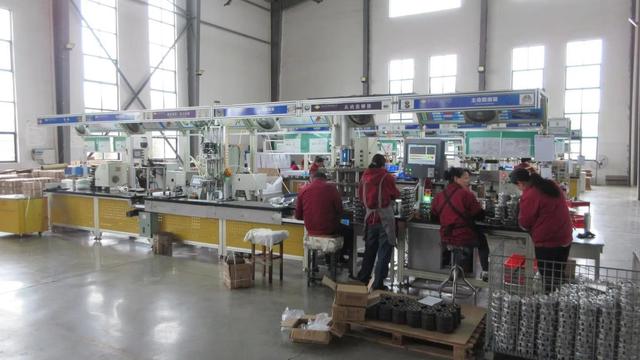
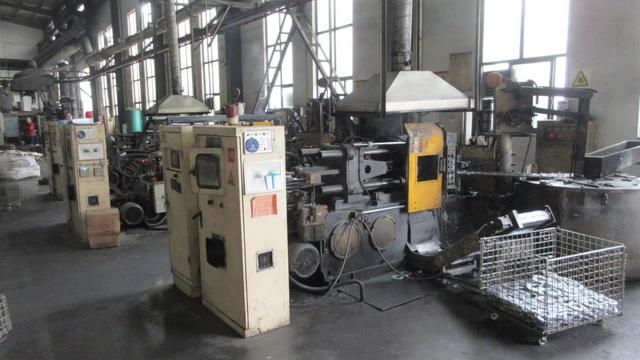
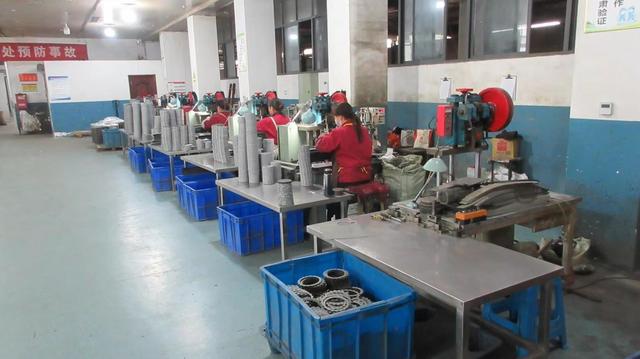
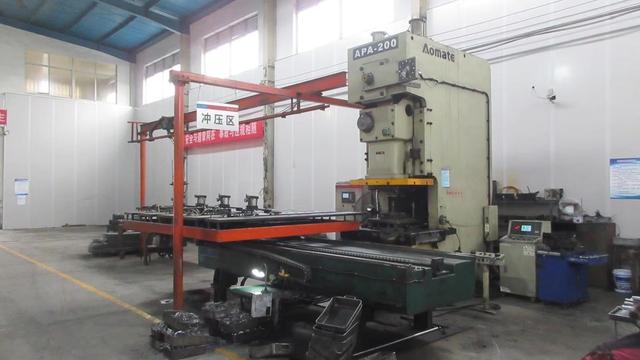
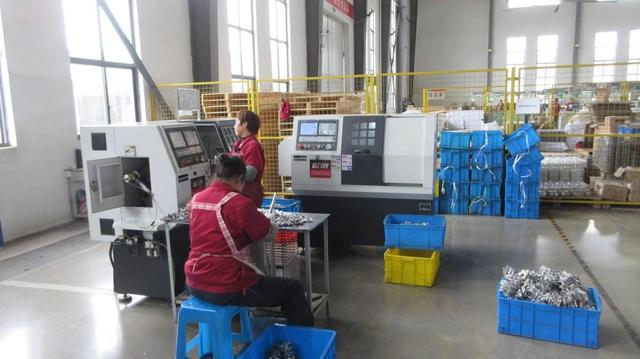
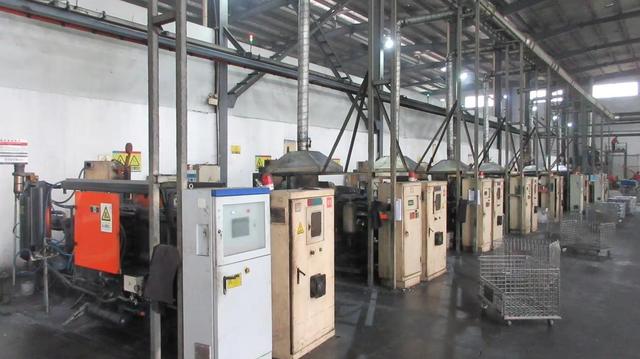
At Guangzhou Yihe Auto Co., Ltd., we align our manufacturing roadmap with the future of global industry standards. Our plant processes raw copper through high-precision extrusion and automated terminal crimping machines to achieve tight tolerances.
Terminal connection is the most critical point in any high-amperage battery cable. We utilize ultrasonic welding and heavy-duty hexagonal hydraulic crimping to merge the copper lug with the cable core. This process creates a gas-tight interface that prevents oxidation and keeps resistance to a minimum. Every assembly is sealed with dual-wall adhesive-lined heat shrink tubing to completely block moisture and corrosive elements.
Technical Specification: Our heavy-duty cables feature a minimum pull-out force matching or exceeding standard automotive specs (e.g., SAE J1127). This design prevents detachment even when subjected to intense tension on agricultural and mining equipment.
As a leading supplier and exporter, we offer extensive OEM/ODM support, customizing cables to meet your exact requirements:
OFC copper provides substantially lower electrical resistance and higher tensile strength compared to CCA. Under heavy loads, such as starting a diesel engine or running high-draw industrial systems, CCA can experience high voltage drop and heating. Over time, CCA is also more vulnerable to galvanic corrosion and mechanical fatigue, making pure OFC the standard for reliable automotive applications.
IATF 16949 is a rigorous global quality management standard for the automotive industry. It demands strict process control, defect prevention, and continuous reduction of variation and waste in the supply chain. At Guangzhou Yihe Auto, our production processes are audited to ensure every battery cable meets IATF 16949 benchmarks for consistency and performance.
For under-hood applications, where components face high temperatures and chemical exposure, we recommend cross-linked polyethylene (XLPE) or silicone rubber. These materials resist melting, cracking, and degradation when exposed to fuel, engine oil, and coolant, outperforming standard PVC insulation in demanding environments.
We use heavy-duty tinned copper lugs to provide excellent conductivity and oxidation resistance. During assembly, we apply dual-wall adhesive-lined heat shrink tubing over the crimp area. When heated, the inner adhesive layer melts and flows, sealing the connection against moisture and road salts to prevent corrosion.
Yes. We offer flexible OEM/ODM manufacturing. Our engineering team can work from your schematics, drawings, or physical samples to design and produce custom battery cables and wiring harnesses, adapting to your specific production requirements.
 Yihe Auto