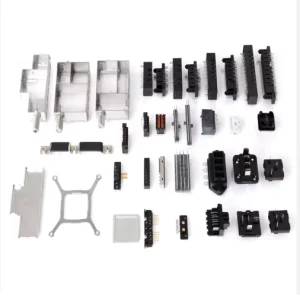
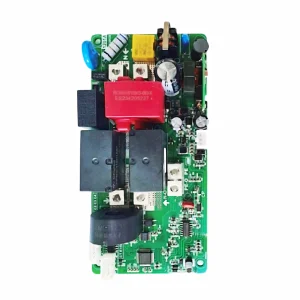
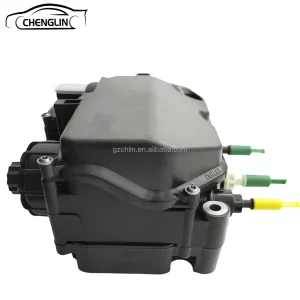
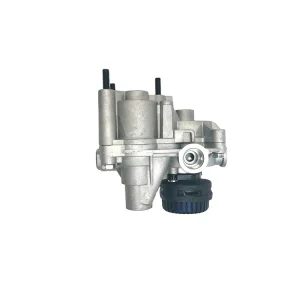
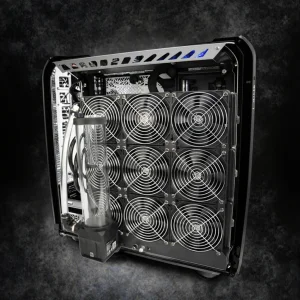
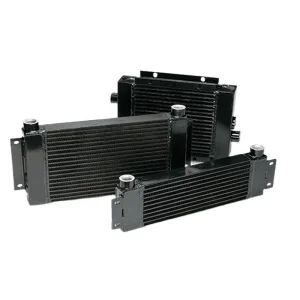
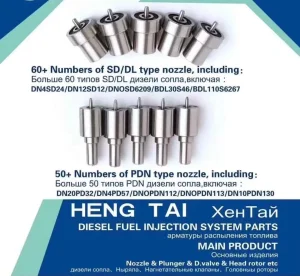
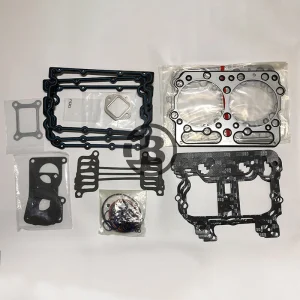
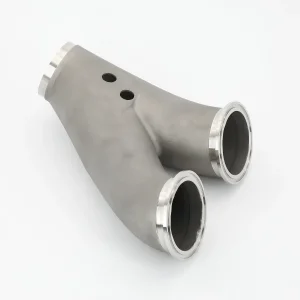
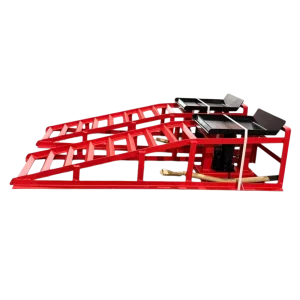
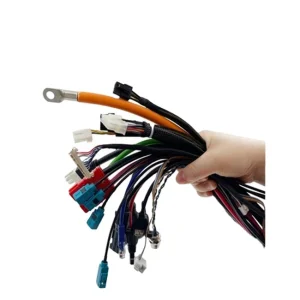
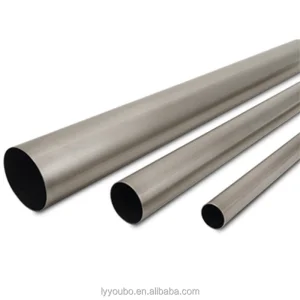
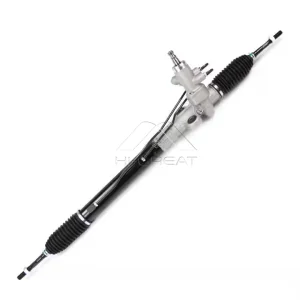
Our initial array features specialized, manufacturer-direct assemblies, electrical controls, and structural components critical to high-performance automotive systems.
In modern internal combustion engines (ICE), the fuel injection system serves as the critical interface determining thermal efficiency, exhaust composition, and transient engine response. Modern common rail systems operate under extreme conditions, where injection pressures frequently exceed 2,500 bar (250 MPa). Achieving precise atomization at this magnitude requires micro-geometric engineering of the nozzle spray holes, utilizing electro-discharge machining (EDM) combined with hydro-erosive (HE) rounding to optimize internal flow dynamics.
Solenoid and piezoelectric actuators govern the needle movement inside the injector. Piezoelectric variants change length in microseconds, enabling up to 7 distinct injection events per power stroke (pilot, pre, main, post, and after-injections) to mitigate combustion noise and particulate matter formation.
Nozzle orifices must feature tapered geometries with diameters as low as 80 microns. Hydro-erosive grinding rounds the entry edges of these micro-holes to minimize cavitation, ensuring consistent flow rates and protecting the nozzle tip from structural fatigue under extreme cycles.
Operating directly within the combustion chamber exposes the injector head to temperatures exceeding 300°C and transient mechanical shocks. The use of premium alloy steels (such as 18CrNi8 or High-Speed Tool Steel M2) is crucial to prevent needle seizure and spray pattern distortion.
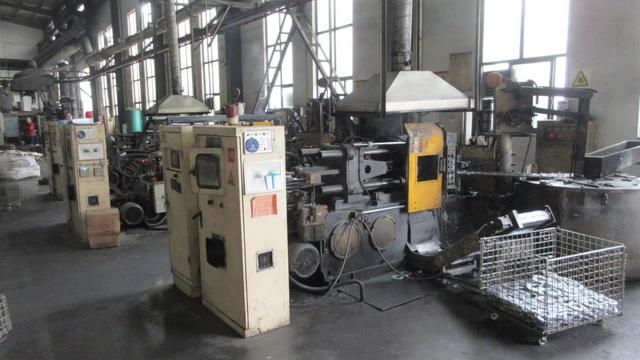
The global dominance of Chinese automotive component manufacturers stems not merely from cost-efficiencies, but from the systemic integration of material science, state-of-the-art tooling, and complete auxiliary supply chains. China's industrial clusters, particularly in Guangdong, Zhejiang, and Jiangsu, offer vertical integration where raw alloy steel is transformed into finished common rail systems within a unified logistical radius.
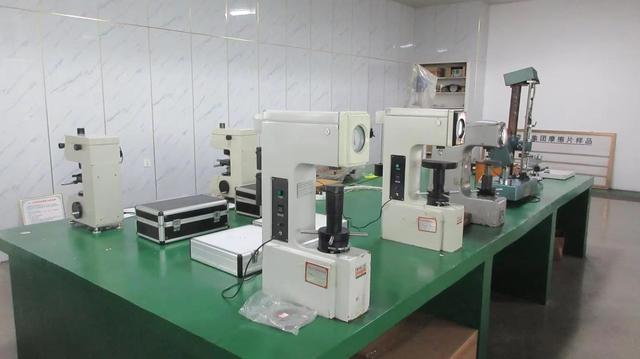
The longevity of fuel injector needles, control valves, and plungers (such as the Cummins Plunger 144178) hinges on surface hardness and core toughness. Chinese manufacturers leverage advanced vacuum carburizing furnaces and gas-nitriding technologies. Surface hardness values are strictly controlled between 60 to 64 HRC, establishing a protective oxide layer that resists chemical corrosion from low-lubricity fuels and biodiesel blends.
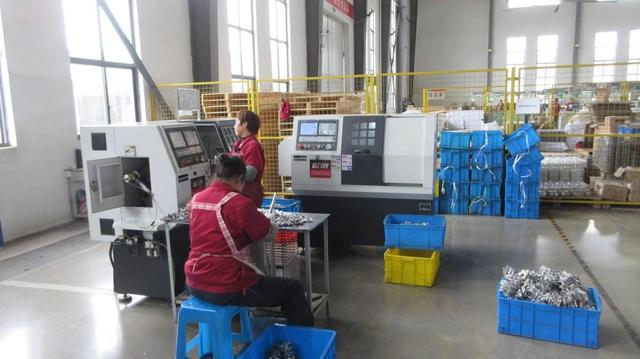
The clearances between the injector needle guide and the nozzle body are engineered within 0.5 to 1.5 microns (μm). To mass-produce components at these levels, factories utilize high-end imported and domestically developed CNC grinding machines (including Swiss Studer and German Mikron centers). Continuous thermal-compensation systems guarantee that deviations in concentricity and roundness do not drift over 24-hour continuous production schedules.
Global emission protocols (US EPA Tier 4 Final, Euro VI, China VI) impose strict standards on engine control systems. For procurement managers worldwide, sourcing parts from China requires assurance that items comply with regional regulatory and diagnostic expectations.
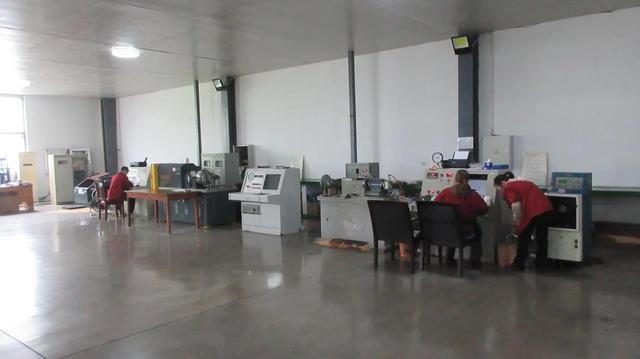
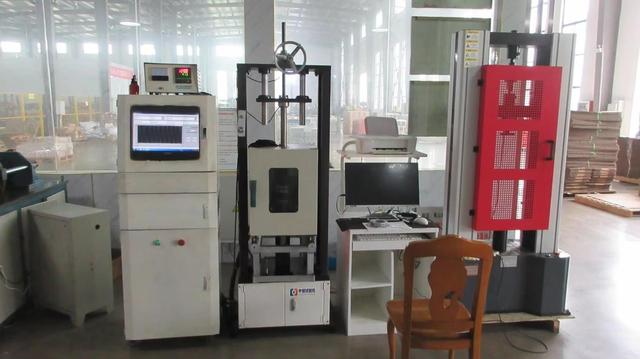
Production plants operate under IATF 16949 automotive quality management structures. Traceability systems record each product's material origin heat code, CNC grind run parameters, and test outcomes.
Modern common rail systems require individualized fuel injector calibration coding (IMA/C2I) to balance fuel delivery variations across cylinders. Chinese manufacturers supply units calibrated with code values to ensure seamless integration into OEM ECUs.
To comply with nitrogen oxide (NOx) regulations, modern diesel applications use Selective Catalytic Reduction (SCR). Integrating auxiliary parts, such as the 24V SCR Urea Measuring Pump for ISUZU, provides a complete emissions abatement system alongside primary fuel delivery.
Verified technical capabilities for top-tier fuel delivery systems under heavy stress conditions.
Guangzhou Yihe Auto Co., Ltd. is a professional Auto Parts Manufacturer | Engine Components, Suspension Parts & Automotive Systems dedicated to providing high-quality automotive components and customized manufacturing solutions for global vehicle manufacturers, distributors, wholesalers, and aftermarket suppliers. With years of industry experience, the company serves a wide range of automotive sectors, including passenger vehicles, commercial trucks, electric vehicles, and industrial transportation equipment.
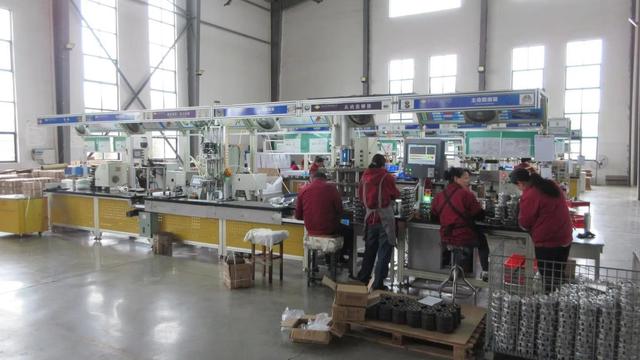
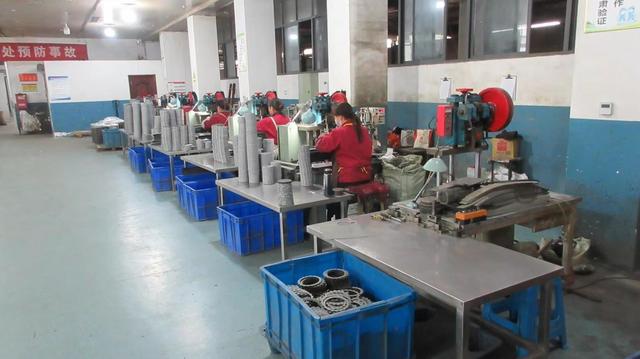
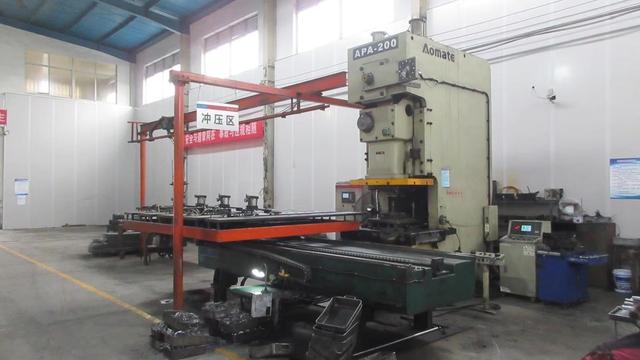
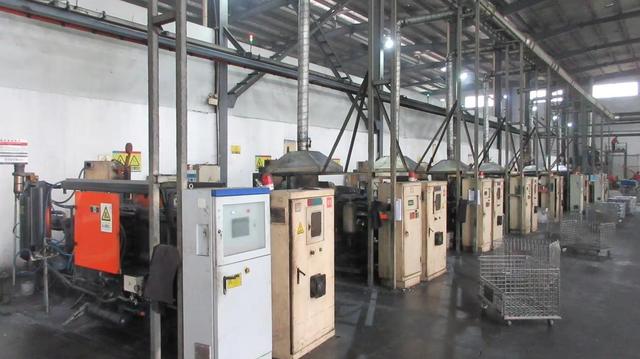
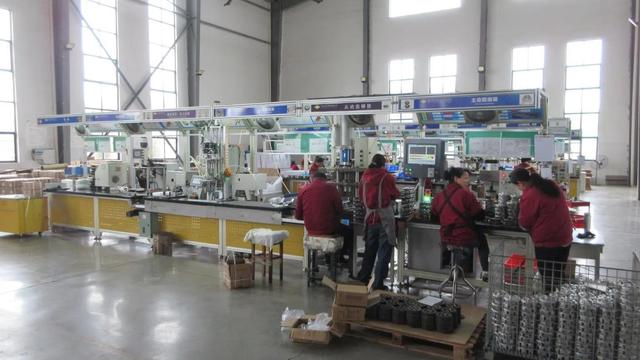
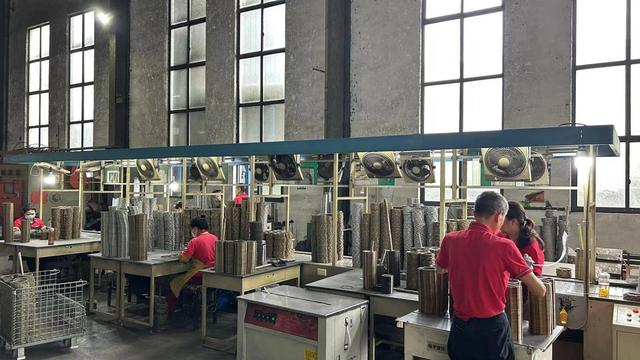
Located in Guangzhou, China, Yihe Auto operates modern production facilities equipped with advanced machining equipment, automated manufacturing lines, and comprehensive quality inspection systems. The company specializes in the development and production of engine components, suspension parts, steering system components, brake system parts, transmission components, chassis parts, automotive electrical systems, cooling system components, and various custom-engineered automotive solutions.
Quality, precision, and reliability are the foundation of the company's operations. Yihe Auto implements strict quality control procedures throughout every stage of production, from raw material sourcing and precision machining to assembly and final inspection. By utilizing advanced manufacturing technologies and high-performance materials, the company ensures that its products meet demanding industry standards for durability, safety, and long-term performance.
In addition to standard product manufacturing, Yihe Auto offers flexible OEM and ODM services tailored to customer requirements. The company's engineering and technical teams work closely with clients to develop customized automotive components that meet specific vehicle applications and market demands. From product design and prototyping to mass production and logistics support, Yihe Auto provides comprehensive manufacturing solutions under one roof.
Serving customers across North America, Europe, Southeast Asia, the Middle East, South America, and Africa, Guangzhou Yihe Auto Co., Ltd. has built a reputation for dependable quality, competitive pricing, and responsive customer service. The company remains committed to innovation, operational excellence, and long-term partnerships, helping customers achieve success in the rapidly evolving global automotive industry.
Technical clarification on purchasing, customization, calibration, and delivery of fuel system solutions.
The most common failure modes are internal control valve leakage, needle micro-seizure due to fuel contamination, and nozzle orifice erosion. We address these by using high-chromium, high-carbon alloy steel (18CrNi8) treated with vacuum nitriding to withstand aggressive chemicals and high temperatures. Additionally, our micro-holes undergo hydro-erosive rounded grinding to minimize cavitation wear.
Every fuel injector we produce undergoes diagnostic profiling on our EPS calibration test benches. The performance maps are consolidated into an ECU code (IMA code). This ensures that upon installation, the engine control unit can precisely adjust pulse widths to offset mechanical differences, avoiding cylinder balance errors or unexpected exhaust levels.
Yes, our engineering department provides comprehensive OEM and ODM support. Using solid modeling CAD/CAM and combustion flow simulations, we can customize parameters such as spray angle, number of spray orifices (e.g., 5-hole to 10-hole configurations), and flow velocity curves to match specific combustion chamber shapes.
Our manufacturing processes are certified to IATF 16949:2016, which is the global quality standard for the automotive industry. In addition, electronic components like controller PCBs and AdBlue/SCR dosing systems comply with CE and RoHS criteria for European and North American market entries.
Since moisture and humidity present challenges during global shipping, all raw steel assemblies, nozzles, and pump parts undergo oil-immersion rust prevention treatments. They are then vacuum sealed in anti-corrosive VCI plastic film and packed into robust outer wooden crates to ensure they arrive ready for assembly.
Our final array highlights specialized fuel nozzles, engine rebuild components, heavy-duty exhaust systems, and control assemblies.
 Yihe Auto