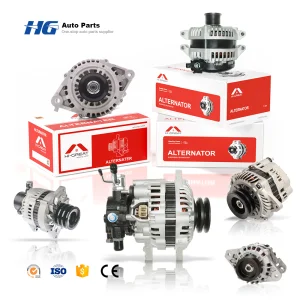
The global automotive industry is undergoing an unprecedented structural transition. With the rapid growth of Electric Vehicles (EVs), Hybrid Electric Vehicles (HEVs), and Autonomous Driving Systems (ADAS), the demand for high-reliability automotive sensors and integrated electronic systems is surging. Automotive sensors serve as the vital sensory network of modern vehicles, feeding real-time operational data into Electronic Control Units (ECUs) to manage engine performance, passenger safety, battery efficiency, and dynamics stabilization.
Key drivers behind this revolution include the mandate for reduced tailpipe emissions, increased functional safety protocols (ISO 26262), and the transition toward software-defined vehicles. Today's automotive ecosystem demands component level resilience against severe under-hood environments, high vibration, extreme temperature fluctuations, and exposure to aggressive fluids.
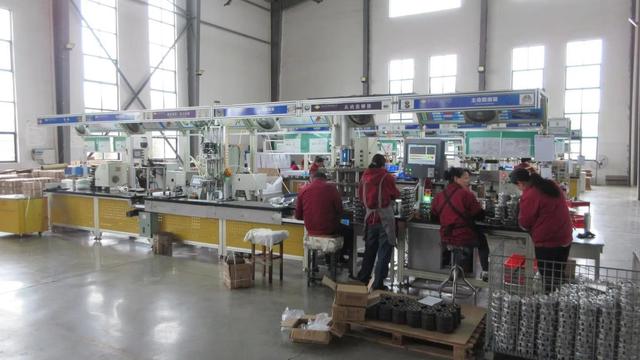
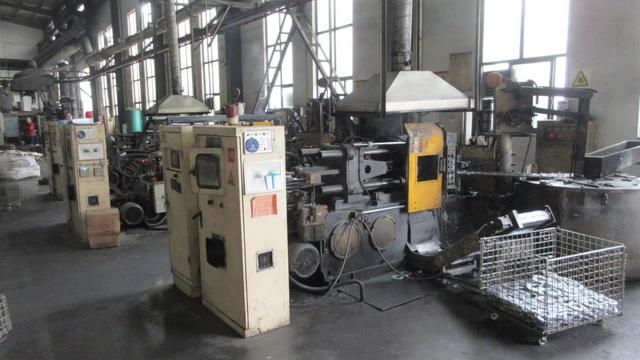
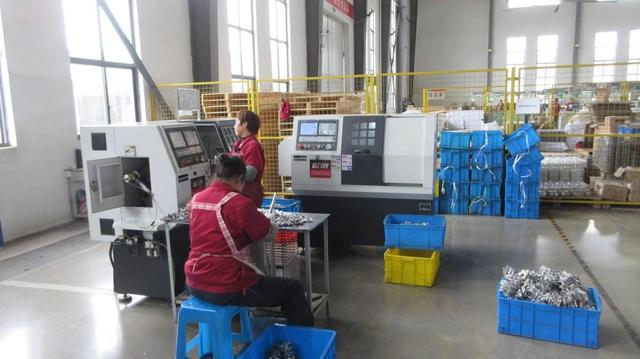
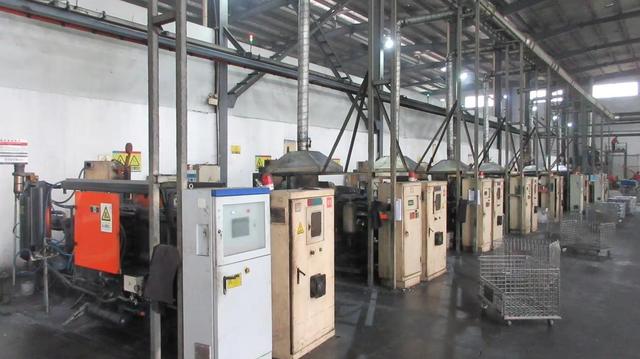
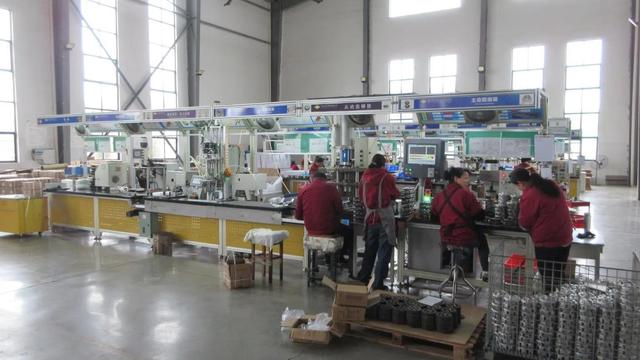
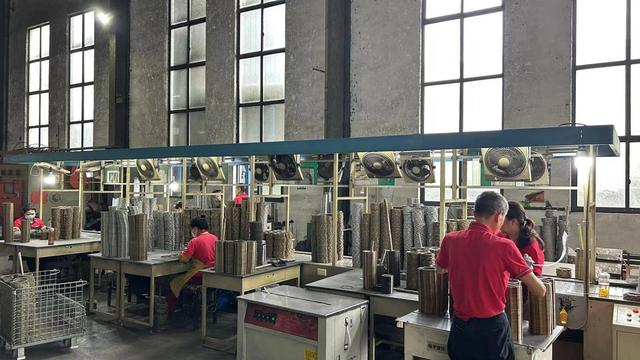
Guangzhou Yihe Auto Co., Ltd. leverages China's industrial manufacturing clusters, giving us direct access to raw material refineries, high-precision tooling makers, and automated assembly technologies. Our production lines feature multi-axis CNC machining centers, high-pressure injection molding machines, and automated heat-staking equipment to guarantee dimensional accuracy and structural repeatability.
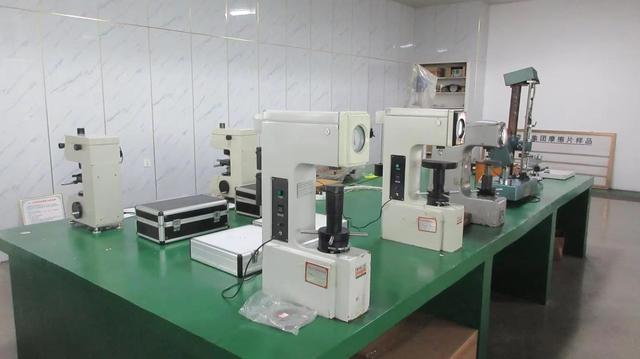
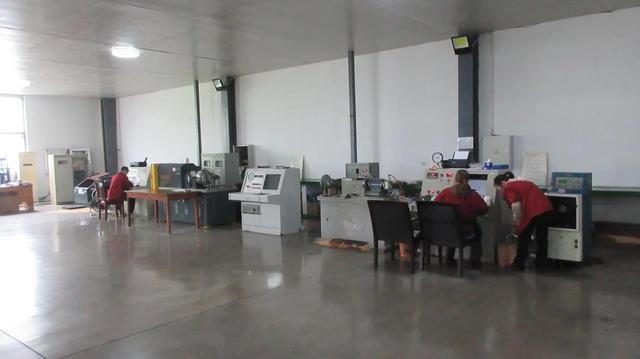
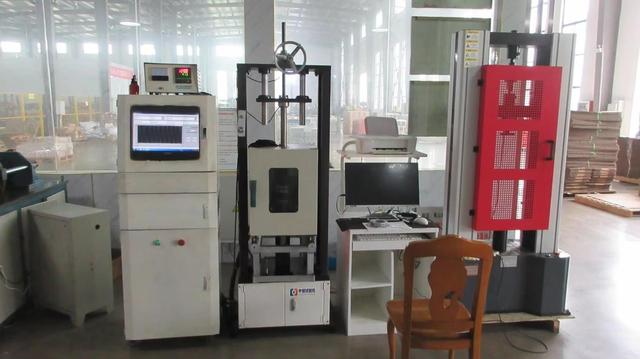
Operating under stringent quality management protocols, our facilities run comprehensive structural verification, material analysis, and environmental simulation. From incoming raw material verification (such as PA12 nylon validation) to final End-of-Line (EOL) functional testing, we ensure every part complies with the rigorous requirements of Tier-1 buyers and global aftermarket channels.
By streamlining our domestic supply chain, we dramatically compress product design and validation phases. Our engineering teams utilize CAD modeling, finite element analysis (FEA), and rapid prototyping to transition conceptual component designs to mass production phases up to 40% faster than traditional regional competitors, meeting prompt launch windows.
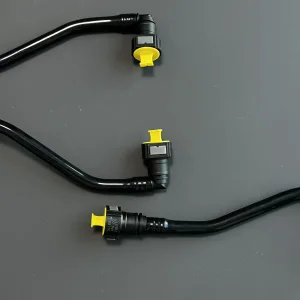
Modern internal combustion and hybrid engines require fuel line assemblies capable of enduring extreme pressures, aggressive biofuel formulations, and temperatures spanning -40°C to +125°C. Guangzhou Yihe Auto Co., Ltd. develops PA12 Nylon Fuel Pipe systems characterized by superior dimensional stability, low permeability, and exceptional chemical resistance.
PA12 (Polyamide 12) is selected for its superior stress-crack resistance and mechanical resilience, preventing fuel degradation and micro-cracking caused by under-hood chemical exposure. By incorporating multi-layer barrier technologies, these assemblies satisfy strict global evaporative emission standards, protecting vehicle fuel systems from environmental leaks and pressure loss.
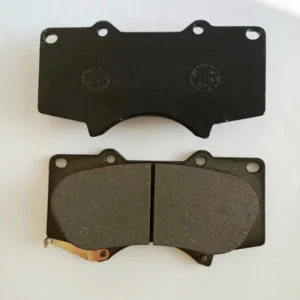
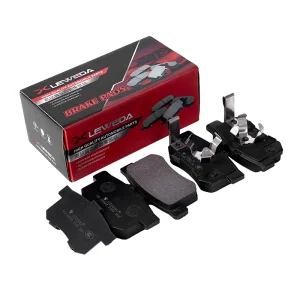
Brake systems require tight integration with safety sensors like Wheel Speed Sensors (ABS) and Brake Pad Wear Indicators. Our D2228M series brake pads are manufactured using low-metallic and ceramic-formulated friction materials. This formulation is engineered to maintain a stable friction coefficient under extreme thermal stress, preventing thermal decay during repetitive high-speed stops.
Every brake pad features precise slotting, chamfering, and dual-layer shim technology. These features dampen high-frequency vibrations that could interfere with nearby electronic sensors, ensuring noise-free and reliable braking feedback.
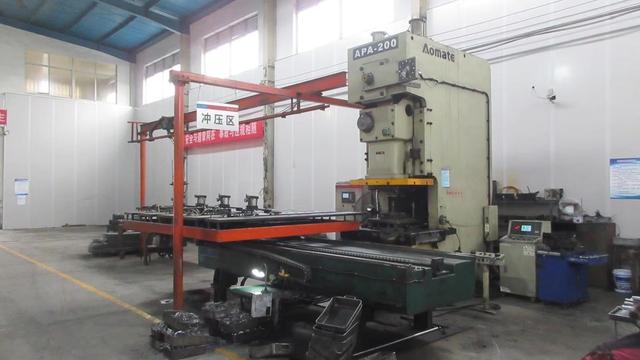
Autonomous and high-voltage vehicle architectures require specialized enclosures to protect delicate ECUs and sensor hubs from Electro-Magnetic Interference (EMI) and harsh environmental conditions. Our customized metal stamping enclosures, featuring high-durability blue zinc plating, provide robust protective shields.
These custom enclosures are manufactured to micron-level tolerances. This precision ensures seamless integration with automated assembly lines, high thermal conductivity for power dissipation, and protection ratings up to IP67/IP69K for sensitive control circuitry.
As the automotive market advances toward Level 3 and Level 4 autonomy, the sensor suite per vehicle is growing and diversifying. Traditional mechanical linkages are rapidly being replaced by drive-by-wire and brake-by-wire systems. These systems rely entirely on high-precision linear and rotary position sensors, pressure transducers, and Hall Effect sensors.
Additionally, the transition to high-voltage electric platforms requires advanced current and thermal management sensors. These sensors are vital for monitoring battery cells, power electronics, and high-efficiency electric motors, ensuring vehicle safety and maximizing range.
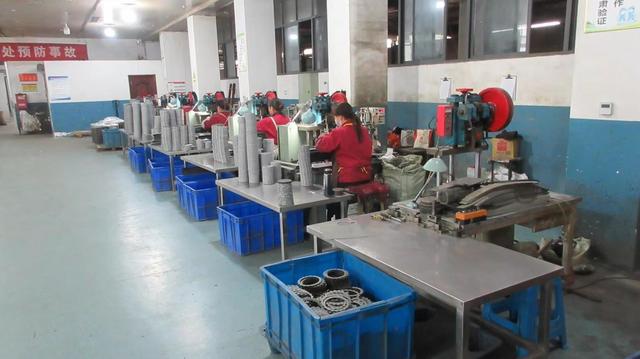
Guangzhou Yihe Auto Co., Ltd. serves a diverse network of Tier-1 OEMs, aftermarket brands, and wholesale distributors worldwide. We understand and conform to the strict procurement protocols required by global buyers.
We provide full PPAP (Production Part Approval Process) Level 3 documentation, including DFMEA/PFMEA reports, control plans, material lab certifications, and dimensional layouts, validating our tooling and production consistency prior to mass production.
Every component batch features complete material and batch code traceability. We utilize integrated tracking systems to monitor components from raw material receipt through production stages to final global transport.
Our experienced engineering team designs custom molds, injection tooling, and stamping dies in-house. This design control ensures long mold lifespans, low cycle times, and minimal unit-to-unit dimensional deviation.
 Yihe Auto