High-performance mechanical components, electrical regulators, and structural parts developed to meet rigorous international standards.
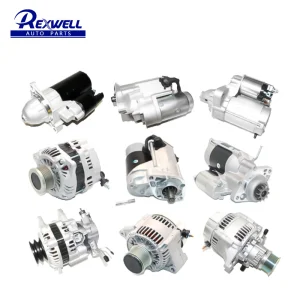
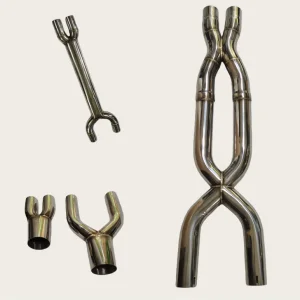
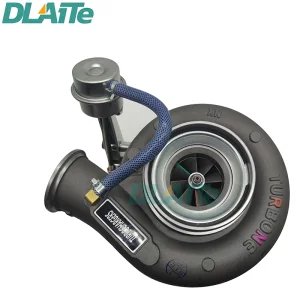
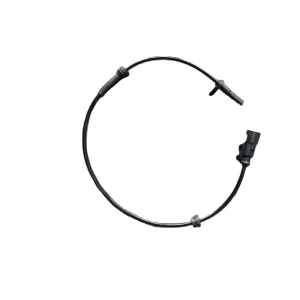
In the ultra-competitive global automotive sector, the automotive hood (engine bonnet) has transcended its traditional role as a simple protective engine cover. Today, it stands as a critical structural component, highly integrated with advanced vehicle aerodynamics, complex pedestrian safety mechanisms, thermal management subsystems, and corporate weight-reduction mandates. As automotive architectures shift toward electric drivetrains (EVs) and advanced hybrid powertrains, the demand for high-strength, lightweight, and sensor-compatible hood structures is experiencing unprecedented growth.
Guangzhou Yihe Auto Co., Ltd. is positioned at the forefront of this industrial transition. Operating as an industry-leading auto parts manufacturer, the company delivers comprehensive, custom-engineered engine components, structural chassis parts, advanced suspension configurations, and custom body panel solutions. Utilizing state-of-the-art production environments and cutting-edge design paradigms, Guangzhou Yihe Auto supports global Tier-1 suppliers, automotive distributors, and aftermarket operators with reliable, large-scale OEM/ODM automotive panel manufacturing services.
"The integration of progressive crash-softness algorithms and active actuator systems has transformed the humble vehicle hood into a sophisticated safety system that balances structural rigidity with impact energy absorption."
Designing a modern automotive hood requires balancing competing physical parameters. The structure must be sufficiently rigid to withstand wind resistance at high speeds, prevent vibrations that degrade Cabin Noise, Vibration, and Harshness (NVH) levels, yet yield predictably during pedestrian impact events.
Engineers typically rely on a dual-layer architecture consisting of an inner reinforcement panel and an outer aesthetic panel, bonded securely with structural adhesives and hemmed along the perimeter:
The exterior contour of the hood is shaped to direct airflow over the windshield to minimize drag coefficient (Cd). Internally, the underside structure acts as a thermal shield. Optimized air channels guide heat away from the engine block, protecting the outer painted surface from discoloration and managing heat dissipation to prolong the life of critical under-hood components.
Our ODM and OEM customization processes translate digital drafts into production-ready physical components. With advanced engineering setups, Guangzhou Yihe Auto Co., Ltd. supports global brands in navigating complex development cycles.
Utilizing CATIA and SolidWorks, our team processes complex body geometries, simulating structural stresses, pedestrian head-impact scenarios, and stamping deformation using advanced Finite Element Analysis (FEA).
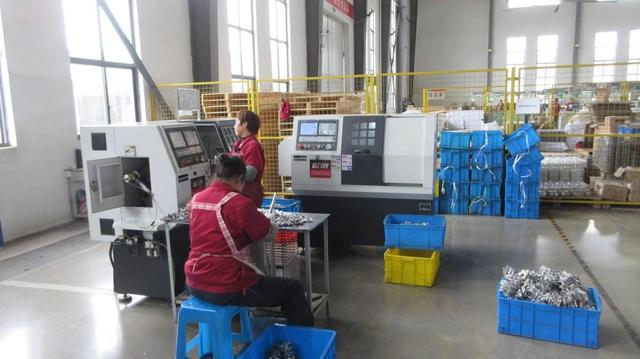
CNC machining centers carve high-durability toolings from premium steel grades. This step ensures that our stampings meet tight clearance tolerances, matching strict body-in-white (BIW) dimensions.
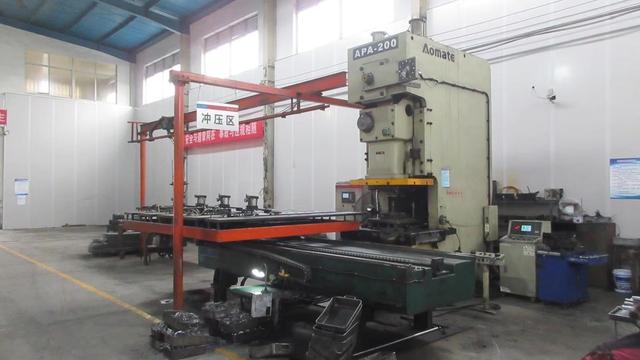
Double-action mechanical stamping presses shape the outer and inner panels. Robotic hemming cells join the panels, maintaining consistent gaps and clean edges for seamless vehicle assembly.
During the final assembly process, we integrate key auxiliary components, including safety latches, soundproof insulation pads, active actuator hinges, and integrated washer nozzles.
China represents the largest and most cost-effective automotive manufacturing hub globally. The industrial concentration in regions like Guangzhou allows manufacturers to benefit from a complete upstream and downstream raw material ecosystem.
Securing international regulatory approvals is essential for global automotive distribution. Standard aftermarket products or OEM replacements must meet strict validation criteria before being cleared for consumer vehicles.
Guangzhou Yihe Auto Co., Ltd. operates under the strict guidelines of the IATF 16949 Quality Management System, the gold standard for global automotive manufacturing. In addition, our manufacturing processes align with CAPA (Certified Automotive Parts Association) guidelines and E-Mark standards (for the European economic zone), ensuring that aftermarket replacement parts perform equivalently to original equipment components in terms of fit, alignment, and safety.
"All our structural panel offerings undergo rigorous environmental chamber tests, including salt spray resistance (ASTM B117) to verify zinc-phosphating and electro-deposition coating durability against premature corrosion."
As the automotive landscape shifts toward software-defined electric vehicles, the structural requirements of front hood systems are changing:
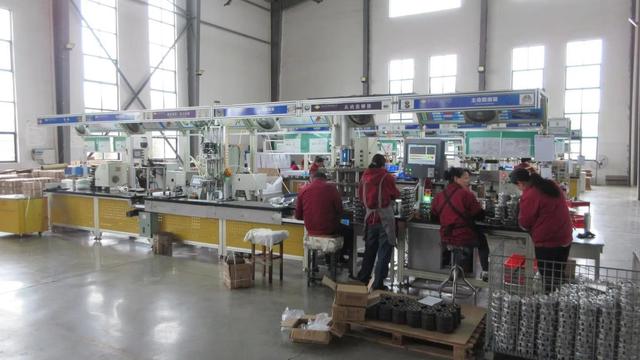
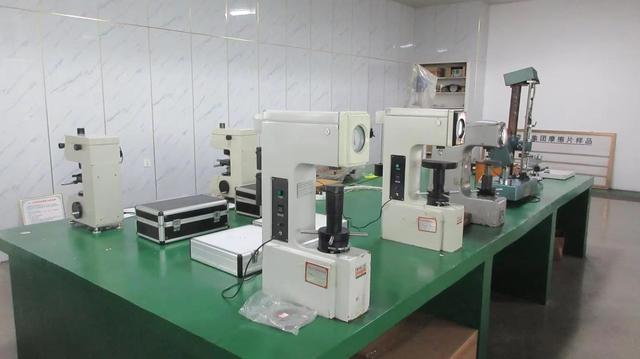
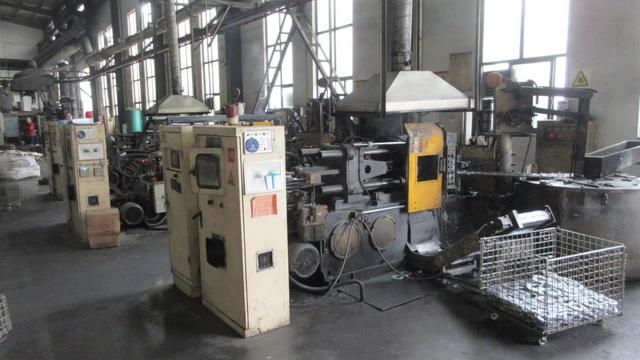
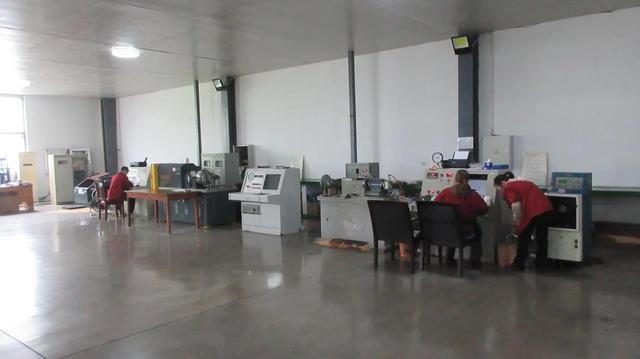
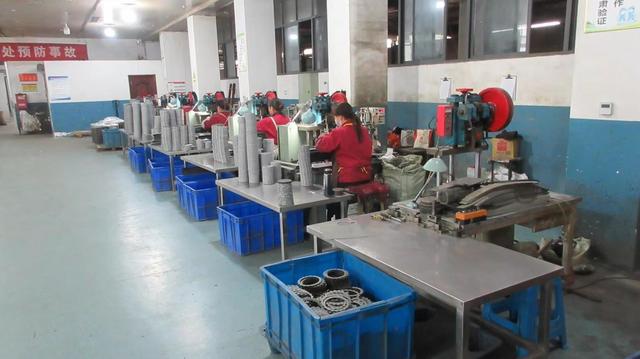
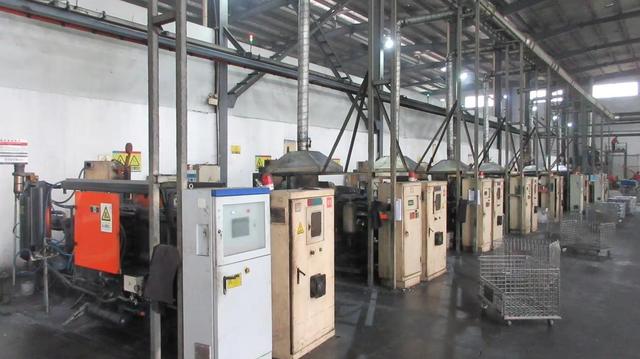
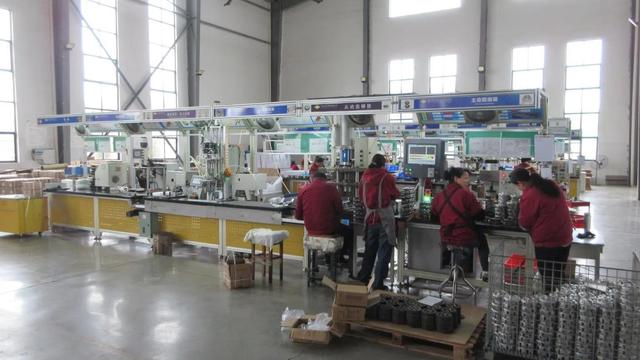
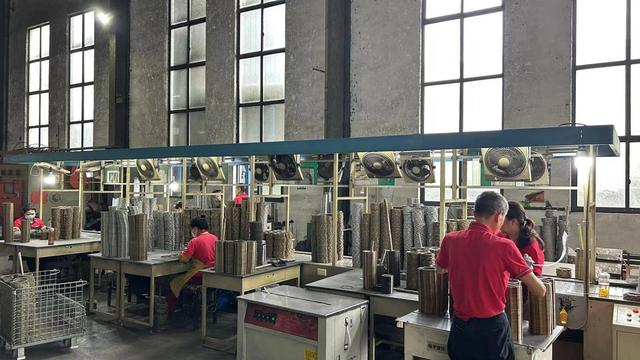
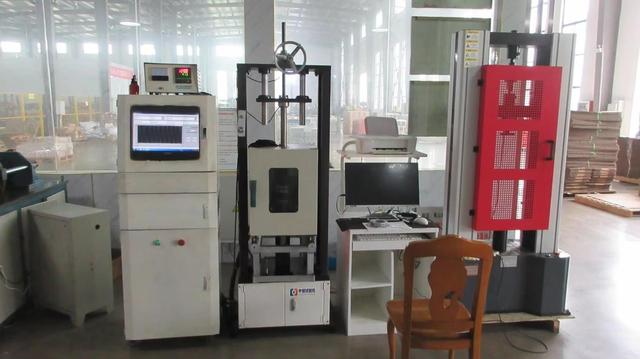
Below is a showcase of our actual operations, warehouse, production assets, and product testing environments at Guangzhou Yihe Auto Co., Ltd., demonstrating our focus on quality control and global exporting standards.
A1: We utilize precision reverse engineering and highly detailed 3D optical scanning equipment to capture coordinates from initial concept structures. Our heavy stamping tools are designed on CATIA platform with finite tolerances under ±0.5mm, and each batch is verified via Coordinate Measuring Machines (CMM) before leaving the factory floor.
A2: All of our steel panels undergo a rigorous zinc-phosphating pretreatment process followed by automated Electro-deposition (ED) coating (primer). For overseas export, parts are protected with Volatile Corrosion Inhibitor (VCI) poly-bags and packed inside heavily padded wood-reinforced pallet crates to prevent moisture contact and vibration scratching.
A3: Yes. Joining dissimilar metals is a core manufacturing capability. We utilize specialized structural adhesive bonding, self-piercing riveting (SPR), and advanced spot-welding processes designed specifically to manage different thermal expansion coefficients and prevent galvanic corrosion.
A4: Our quality control protocol involves rigorous raw material verification (spectroscopy testing of incoming steel and aluminum batches), automated online sensors to monitor welding and pressing pressures, and final quality gates checking edge hemming consistency. We maintain full batch-code traceability for every component manufactured.
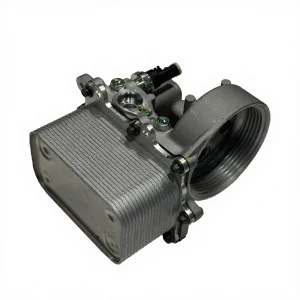
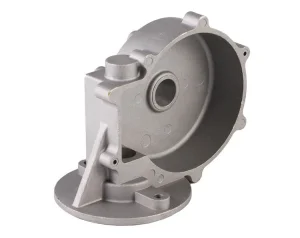
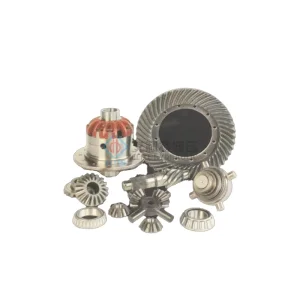
Explore our wider automotive parts offerings, from engine valves to drivetrain assemblies, catering to global auto system distributors.
 Yihe Auto