In the rapidly changing world of internal combustion engines, hybrid powertrains, and electric vehicles (EVs), the demand for highly efficient thermal management systems has grown rapidly. Radiator cooling fans are no longer simple components designed just to blow air across a core. They have evolved into complex subsystems responsible for maintaining optimal thermodynamic balance, reducing parasitic power losses, and ensuring compliance with strict global emission standards.
Industrial procurement managers and tier-1 automotive suppliers look for specific features from radiator fan manufacturers. In North America and Europe, the focus is heavily on durability, strict adherence to noise boundaries (NVH reduction), and seamless integration with complex engine control units (ECU) via Pulse Width Modulation (PWM) or Controller Area Network (CAN-bus) protocols. In fast-growing markets like Southeast Asia and South America, the priority shifts toward structural resistance against high ambient dust, moisture, and intense thermal cycling. A capable OEM/ODM radiator fan manufacturer must offer scalable architectures that address these distinct geographical requirements while keeping tooling costs and development timelines low.
Fans engineered for commercial vehicles must handle up to 30,000 continuous operating hours under extreme vibration levels, requiring heavy-duty fiberglass-reinforced polyamide blade construction.
Our custom control boards utilize PWM loops to dynamically match fan speed with system temperatures, lowering power consumption and stabilizing operating temperatures.
Advanced CFD modeling guides the development of forward-skewed blades. This minimizes air turbulence and reduces operating noise (dBA) while maximizing static pressure.
Achieving peak heat transfer efficiency in radiator applications requires a complete system-level approach. As an established OEM/ODM factory, we design custom cooling fans by analyzing the physical layout of the vehicle engine bay or industrial machinery compartment. Air restriction through dense radiators, charge air coolers (CAC), and air conditioning condensers creates high static pressure zones that can cause standard fans to stall.
To address high-resistance installations, our engineering team uses computational fluid dynamics (CFD) to design high-performance blade profiles. By adjusting the blade count, pitch angle, and camber line, we match the fan's pressure-to-flow curve to the system's drag characteristics. We also focus on the fan shroud design. A poorly designed shroud allows warm air to recirculate back through the fan blades. Our injection-molded shrouds fit tightly to the radiator core, minimizing air bypass and ensuring that all pulled air moves cleanly across the cooling fins.
Additionally, the transition from traditional brushed DC motors to Brushless DC (BLDC) motors has changed the industry. BLDC motors feature integrated electronics that allow precise speed steps, run much cooler, and offer an operating life that is 3 to 4 times longer than brushed options. This transition helps OEMs design narrower cooling modules, freeing up space for crash-absorption structures or larger auxiliary components.
The future of vehicle and machinery thermal control lies in adaptive, smart systems. We are currently developing and scaling cooling solutions that interface directly with predictive vehicle controllers. Instead of reacting to temperature spikes, these smart fans adjust speed preemptively based on engine load data, terrain changes, and GPS coordinates.
Traditional 12V electrical systems limit the maximum output of cooling fans to about 800W due to high current draw. By moving to 48V architectures, we can design high-power 1.5kW to 3kW electric cooling fans. These systems provide the high airflow needed for commercial vehicles, off-highway machinery, and high-performance cars without overloading the vehicle's electrical system.
Sustainability is key in global procurement. Our engineering roadmap includes using bio-resins and post-industrial recycled polyamides reinforced with structural glass fibers. These materials match the tensile strength and heat deflection temperatures of virgin plastics while lowering the carbon footprint of production.
Another key focus area is noise reduction. In hybrid and electric vehicles, the combustion engine is often off, making auxiliary fan noise much more noticeable. We solve this by designing unequal blade spacing (asymmetric blade angles) that spreads acoustic energy across a wider frequency range. This prevents high-pitch drone sounds and ensures quiet operation.
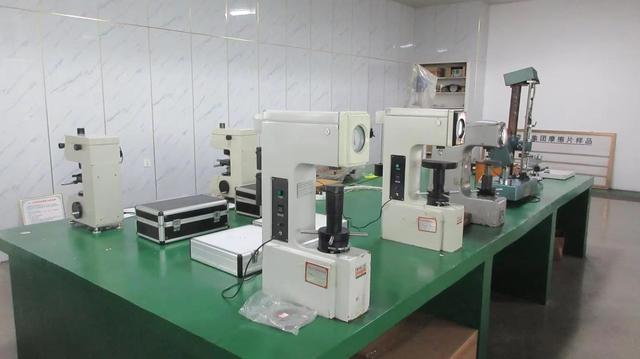
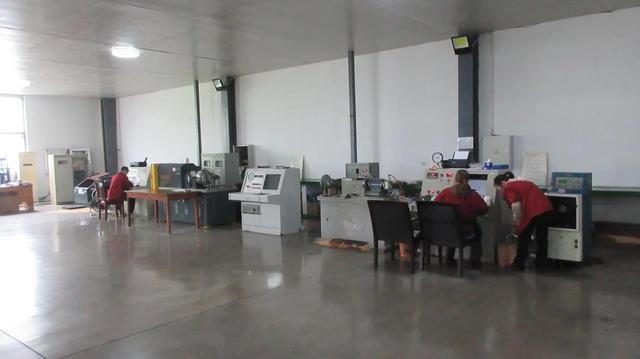
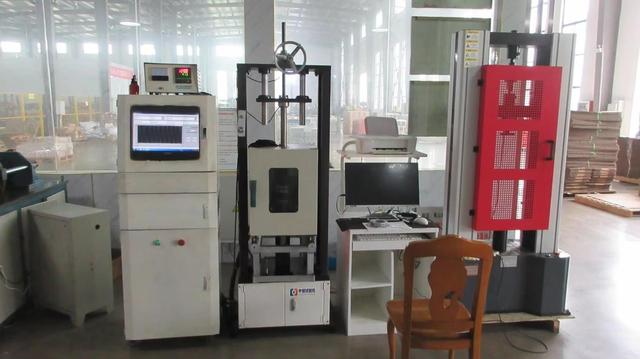
Operating in demanding global markets requires absolute product reliability. Every radiator fan model we manufacture undergoes a strict verification program in our certified testing facilities. This validation process ensures each unit can withstand years of exposure to environmental contaminants, extreme temperatures, and continuous mechanical stress.
Thermal Shock Test: Cycling between -40°C and +125°C within 10 seconds to verify material bonding integrity.
Ingress Protection: Testing to IP67 and IP69K standards to verify resistance against dust and high-pressure steam cleaning.
Salt Spray Resistance: Testing for 480 hours under ASTM B117 standards to confirm corrosion resistance of all metal parts and connectors.
Dual-Plane Dynamic Balancing: Every fan assembly is balanced down to less than 0.5 g-mm/kg to prevent bearing wear and vibration transfer.
Structural Destructive Overspeed: Testing assemblies at 150% of rated RPM at 120°C to verify the blades will not deform or contact the shroud.
Guangzhou Yihe Auto Co., Ltd. is a professional Auto Parts Manufacturer | Engine Components, Suspension Parts & Automotive Systems dedicated to providing high-quality automotive components and customized manufacturing solutions for global vehicle manufacturers, distributors, wholesalers, and aftermarket suppliers. With years of industry experience, the company serves a wide range of automotive sectors, including passenger vehicles, commercial trucks, electric vehicles, and industrial transportation equipment.
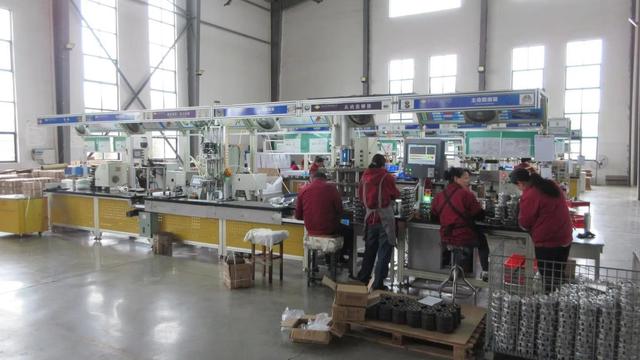
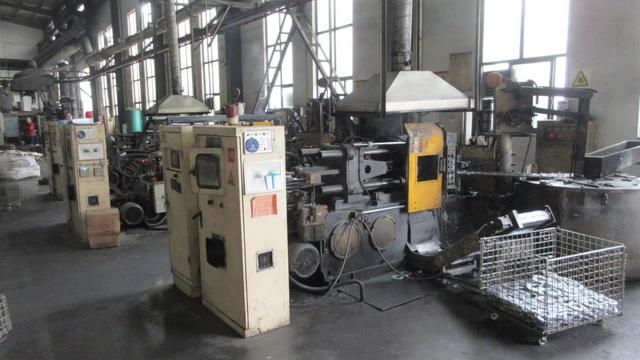
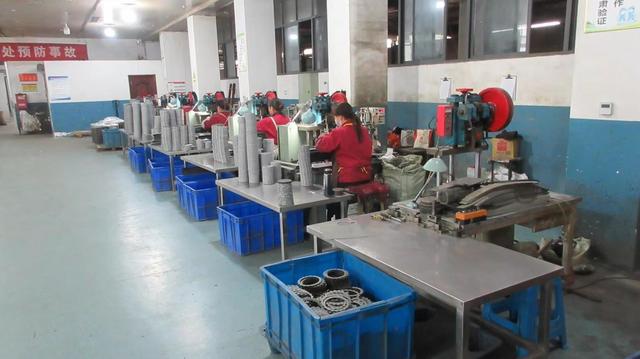
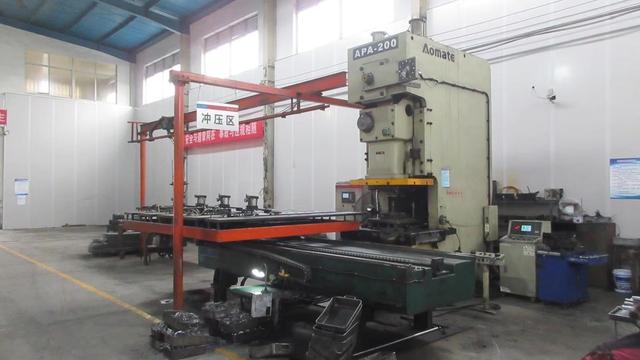
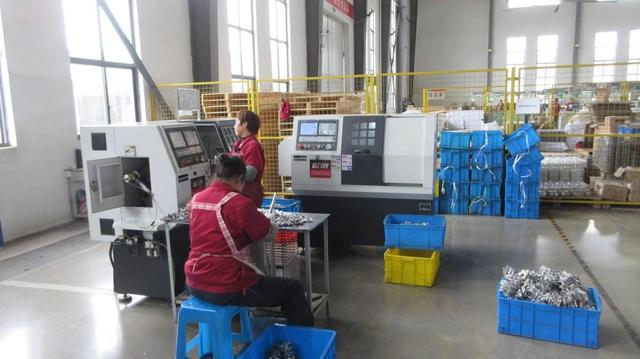
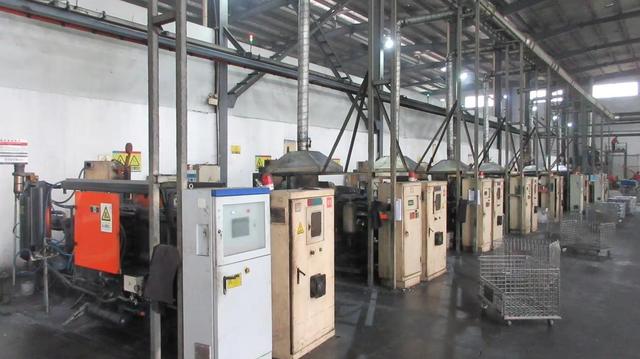
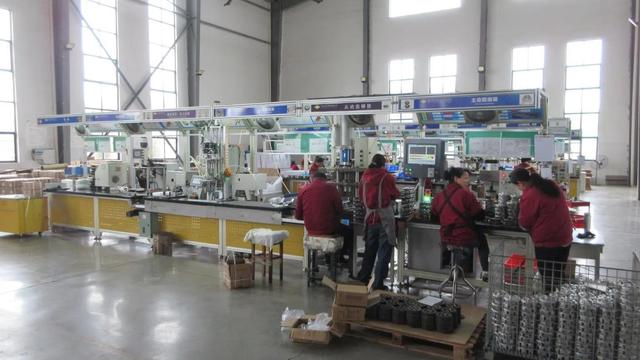
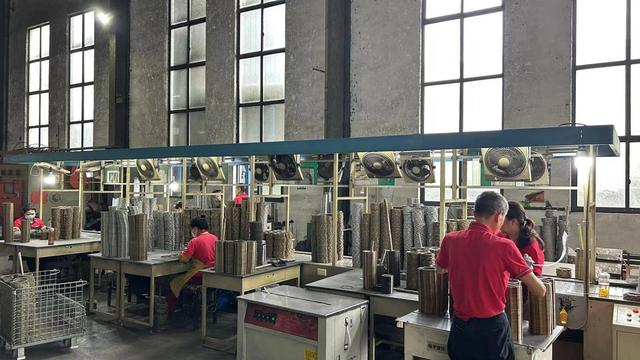
Located in Guangzhou, China, Yihe Auto operates modern production facilities equipped with advanced machining equipment, automated manufacturing lines, and comprehensive quality inspection systems. The company specializes in the development and production of engine components, suspension parts, steering system components, brake system parts, transmission components, chassis parts, automotive electrical systems, cooling system components, and various custom-engineered automotive solutions.
Quality, precision, and reliability are the foundation of the company's operations. Yihe Auto implements strict quality control procedures throughout every stage of production, from raw material sourcing and precision machining to assembly and final inspection. By utilizing advanced manufacturing technologies and high-performance materials, the company ensures that its products meet demanding industry standards for durability, safety, and long-term performance.
In addition to standard product manufacturing, Yihe Auto offers flexible OEM and ODM services tailored to customer requirements. The company's engineering and technical teams work closely with clients to develop customized automotive components that meet specific vehicle applications and market demands. From product design and prototyping to mass production and logistics support, Yihe Auto provides comprehensive manufacturing solutions under one roof.
Serving customers across North America, Europe, Southeast Asia, the Middle East, South America, and Africa, Guangzhou Yihe Auto Co., Ltd. has built a reputation for dependable quality, competitive pricing, and responsive customer service. The company remains committed to innovation, operational excellence, and long-term partnerships, helping customers achieve success in the rapidly evolving global automotive industry.
 Yihe Auto