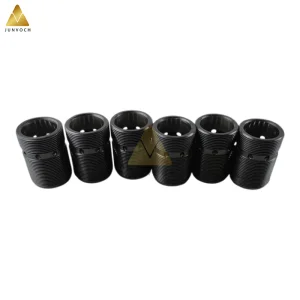
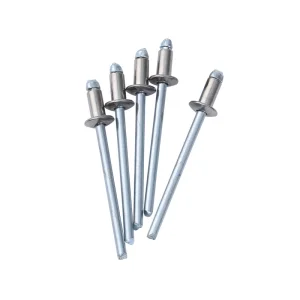
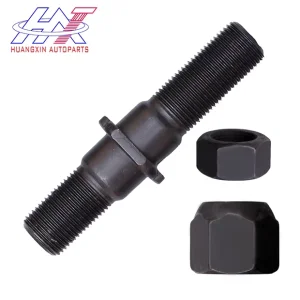
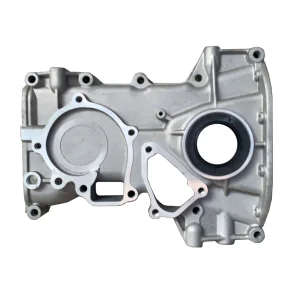
Explore our diverse portfolio of heavy-duty parts, exhaust systems, fasteners, and transmission rebuild components engineered for maximum reliability.
The automotive starter motor is a highly critical electro-mechanical component that converts electrical energy from the vehicle's battery into mechanical energy to crank the internal combustion engine. Without a robust, high-performance starting system, even the most advanced powertrain cannot begin its combustion cycle. In modern automotive engineering, starter manufacturing has evolved from standard direct-drive motor assembly into highly customized, engineered systems tailored to specific vehicle platforms, engine displacements, climate variations, and target service lives.
For global procurement directors, distributors, and Tier 1 system integrators, selecting the right OEM/ODM Starters Manufacturer is not merely about sourcing a component at a lower price point. It requires an alignment of engineering capabilities, raw material control, manufacturing automation, and validation processes. A premium manufacturer controls everything from copper wire purity and armature insulation grade to solenoid contact plating and planetary gear assembly tolerances. Guangzhou Yihe Auto Co., Ltd. represents this standard of manufacturing excellence, offering dedicated OEM and ODM services that deliver optimized electrical components to meet the stringent requirements of the global automotive aftermarket and assembly lines.
The global automotive starter motor market is driven by both new vehicle production (OEM/OES) and the rapidly expanding automotive aftermarket (IAM) servicing billions of existing internal combustion engine (ICE) and hybrid vehicles. Despite the rise of pure battery electric vehicles (BEVs), internal combustion and hybrid architectures will remain the dominant vehicle types globally for decades to come. Particularly in commercial vehicles, agricultural machinery, and heavy duty transport, pneumatic and electrical starter motors remain indispensable.
In mature markets like Europe and North America, strict environmental regulations mandate the use of start-stop systems. A traditional starter motor is engineered to handle roughly 30,000 start cycles over its lifetime. In contrast, start-stop configured starters (often utilizing reinforced planetary gears, heavy-duty solenoids, and dual-layer brushes) must withstand over 300,000 cycles without mechanical or electrical breakdown. This shift has placed immense technical demand on aftermarket manufacturers to deliver replacement parts that match or exceed original OE specifications. Additionally, emerging markets in Latin America, Asia-Pacific, and Africa show a surge in demand for affordable, highly durable direct-drive and gear-reduction starters capable of handling dusty environments and poor electrical maintenance conditions.
The core architecture of starter motors has seen massive refinements. Original direct-drive (DD) starters utilized heavy electromagnetic field coils to generate a magnetic field. While structurally simple and offering high torque at low speeds, they were heavy, bulky, and drew significant electrical current.
By integrating a compact planetary gearbox between the high-speed electric motor armature and the pinion shaft, manufacturers have successfully reduced physical starter volume by up to 40% while doubling cranking torque output. PLGR starters require less raw copper, making them lighter and highly energy-efficient.
Replacing traditional wound field coils with high-coercivity Neodymium-Iron-Boron (NdFeB) or Ferrite permanent magnets significantly reduces thermal output and weight. Permanent magnet gear reduction starters deliver rapid, high-torque cranking, optimal for stop-start hybrid applications.
Next-generation starter solenoids feature dual-coil relays with built-in thermal sensors and diagnostic microchips. These smart starters feed operating diagnostics directly to the vehicle's engine control unit (ECU), allowing predictive maintenance alerts before a critical ignition failure occurs.
Guangzhou Yihe Auto Co., Ltd. continues to push boundaries in starter design. By optimizing the tooth profiles of our pinion gears, using cold-chamber die casting for housing integrity, and implementing precision-welded copper commutators, our starters exhibit superior resilience against high vibrational fatigue and thermal cycles common in heavy industrial applications.
Starters are subjected to extremely harsh environments globally. To ensure reliability, starter components must undergo localization design iterations depending on where they are deployed.
At temperatures below -30°C, engine oil viscosity increases dramatically, requiring up to three times the normal torque to crank the engine. Concurrently, battery capacity drops by over 50%. An optimized starter for these regions features high-conductivity brushes, specialized low-temperature greases that do not freeze, and low-resistance wiring to maximize starter RPM at low voltages.
In deserts or active mines, abrasive dust particles can penetrate the starter clutch mechanism and wear out the carbon brushes rapidly. ODM specifications require high-grade rubber seals, rubber boot solenoid covers, and fully sealed starter nose cones to prevent fine silica particles from damaging the drive assembly and armature bearings.
Moisture and salt air lead to galvanic corrosion of electrical contacts, solenoid terminals, and copper connections. Marine-grade and tropical starters utilize double-impregnated epoxy coatings on stator windings, cadmium-free zinc-nickel plating on housings, and stainless steel fasteners to prevent rust-induced structural failures.
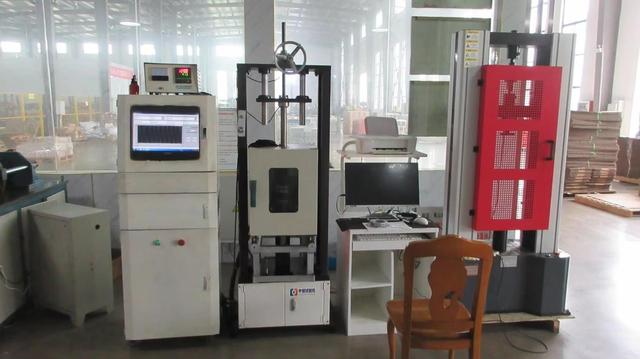
Our state-of-the-art production facilities, modern assembly lines, and rigorous quality inspection protocols guarantee top-tier engine parts, suspension systems, and electrical components.
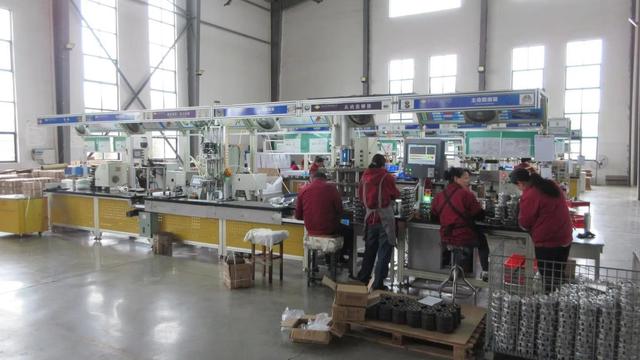
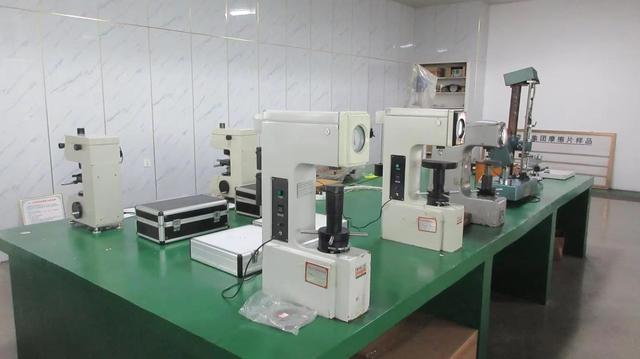
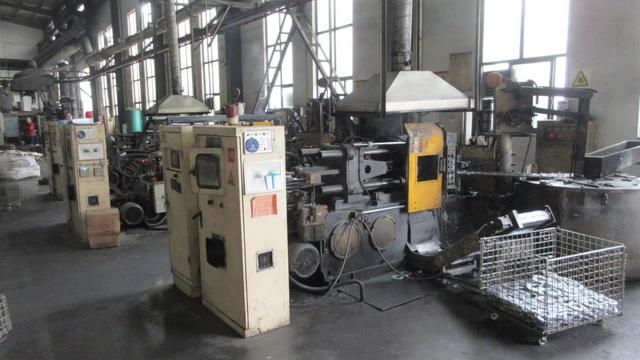
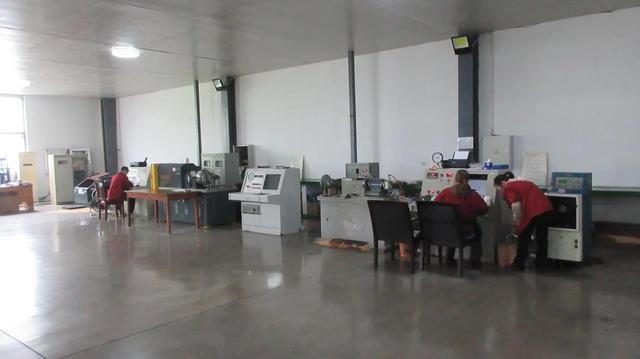
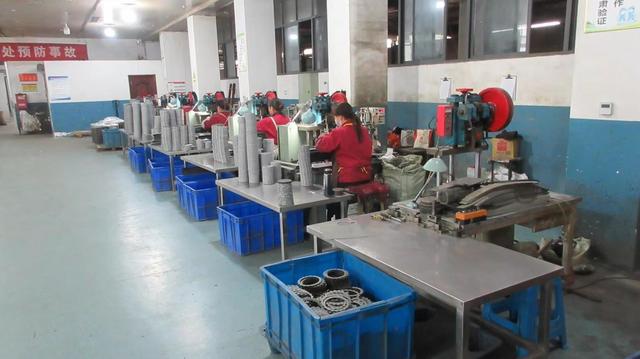
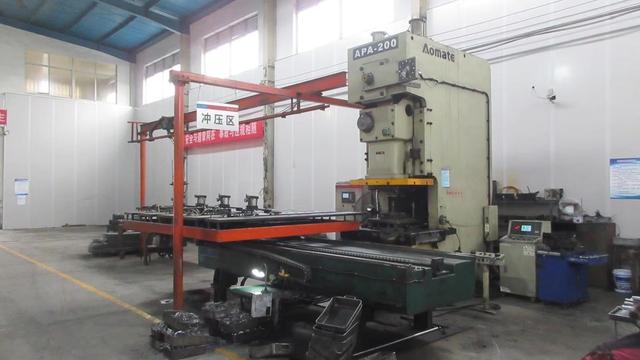
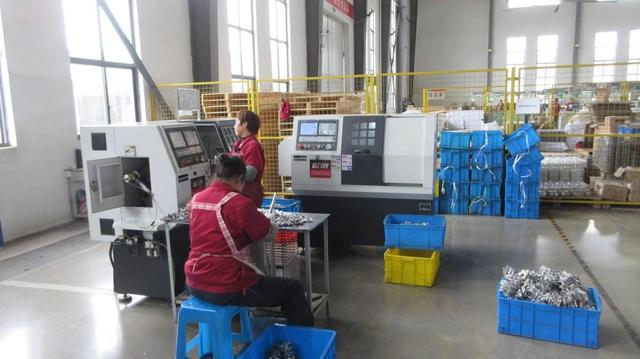
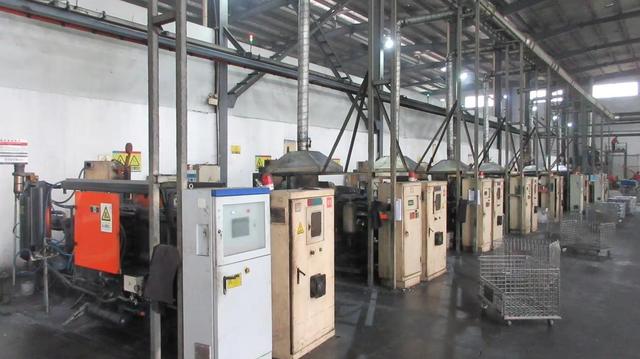
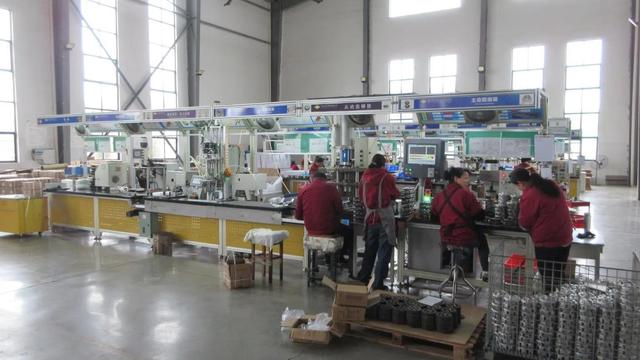
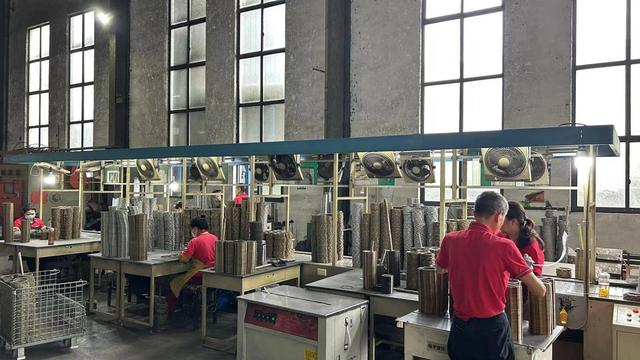
China remains the world's most robust manufacturing and supply chain hub for automotive parts. The integration of upstream raw material suppliers, specialized metallurgical processing plants, precision copper winding providers, and downstream logistics channels creates a unique cost-to-quality ratio that is hard to replicate elsewhere.
Guangzhou Yihe Auto Co., Ltd., located in Guangzhou, China, operates modern production facilities equipped with advanced machining equipment, automated manufacturing lines, and comprehensive quality inspection systems. As an experienced auto parts manufacturer, our operation is highly vertically integrated. Rather than outsourcing key processes, we perform stamping, CNC machining, commutator welding, and assembly in-house. This direct oversight enables us to guarantee raw material purity, strict tolerances, and rapid design changes for customized OEM and ODM orders.
Engineering high-voltage or standard 12V/24V starting equipment requires deep compliance with localized regulatory bodies. For vehicles in the European Union, starters must align with CE marking directives and RoHS standards, ensuring they are free from hazardous substances like lead and hexavalent chromium. In the North American market, SAE (Society of Automotive Engineers) standard validation is essential for mounting configurations, gear tooth profiles, and terminal block designs.
Guangzhou Yihe Auto Co., Ltd. supports our clients through comprehensive documentation, providing detailed test reports including:
Additionally, our global engineering support team works closely with customer engineering teams. Whether through 3D CAD modeling, FEA simulation review, or rapid custom prototyping, we streamline the process from initial design to final volume delivery.
Discover more high-grade replacement parts, heavy truck components, fuel system kits, and engine timing accessories designed for global distribution networks.
 Yihe Auto