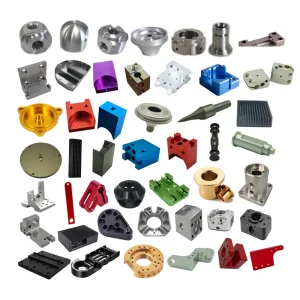
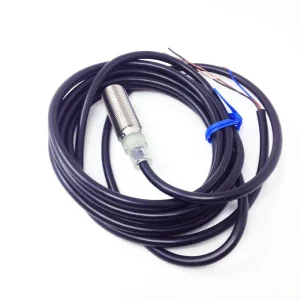
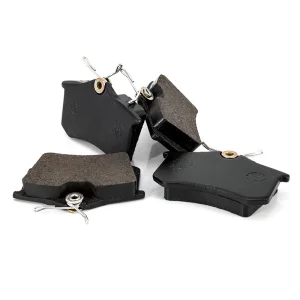
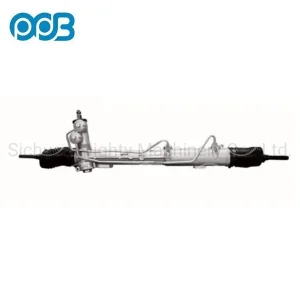
Explore our engineering excellence across chassis systems, sensor integration, customized CNC machining, and high-performance aftermarket replacement kits.

Analyzing Generation 1 through Generation 3 Hub Bearing Assembly design paradigms and engineering considerations.
Featuring independent inner and outer rings utilizing either balls or tapered rollers. Designed for precise preload management, Gen 1 assemblies require highly skilled manual pressing and external seal containment. Ideal for compact economy platforms demanding high structural stability.
Integrating the mounting flange directly onto the outer ring. Gen 2 eliminates the need for separate retaining rings, drastically reducing component count and mounting error margins. This design minimizes radial runout and improves vehicle lateral dynamics during high-speed cornering.
The premium contemporary standard. Incorporating dual flanges (one for brake disk/wheel mounting and one for the steering knuckle) alongside integrated digital ABS/ESP speed sensors. Gen 3 systems maximize NVH control, optimize system weight, and simplify factory floor assembly.
Modern wheel bearing manufacturing must resolve the delicate balance between structural durability and energy efficiency. Historically, wheel hub units were perceived as purely mechanical rotation devices. However, with the rapid digitization of safety systems (such as electronic stability programs and regenerative braking protocols), wheel bearing assemblies now function as integral electronic nodes within the automotive Ethernet structure.
Guangzhou Yihe Auto Co., Ltd. continuously leverages metallurgical advancements, refining steel sourcing parameters. Our processes restrict oxygen concentration in high-purity vacuum degassed GCr15 (SAE 52100/100Cr6) bearing steel to less than 5 ppm. This dramatically delays sub-surface fatigue initiation, extending L10 bearing life cycle ratings far past traditional industry baselines.
Electric Vehicles demand entirely redesigned wheel bearing infrastructures. High startup torque profiles subject rolling elements to sudden tangential shearing forces. Additionally, the massive battery pack configurations increase overall vehicle curb weight by 20% to 30%, shifting the dynamic load spectrum.
Electrical Erosion Protection: Induced stray currents passing through the drive axles seek paths to the ground, causing micro-arc discharge across the lubricant film in the bearing. Over time, this causes microscopic pitting (fluting), leading to premature bearing failure. To counter this, Guangzhou Yihe Auto integrates hybrid ceramic balls and conductive bypass paths, shielding the rolling tracks from electrical degradation.
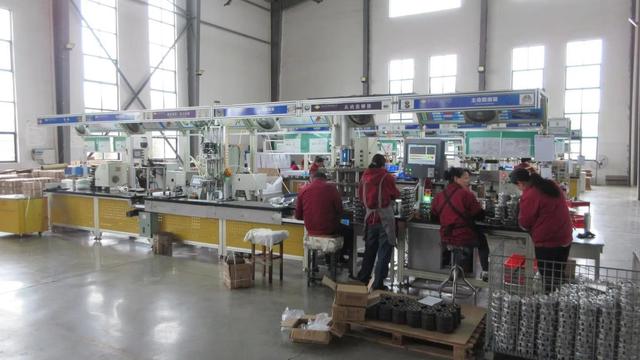
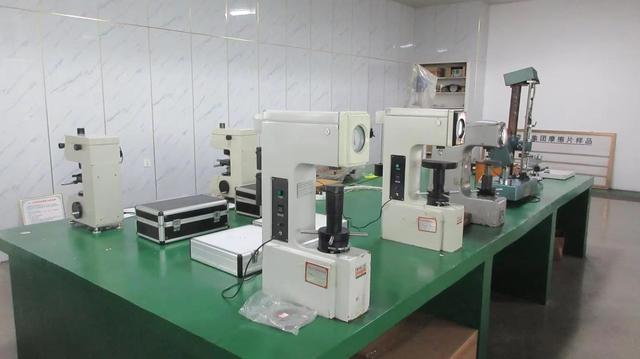
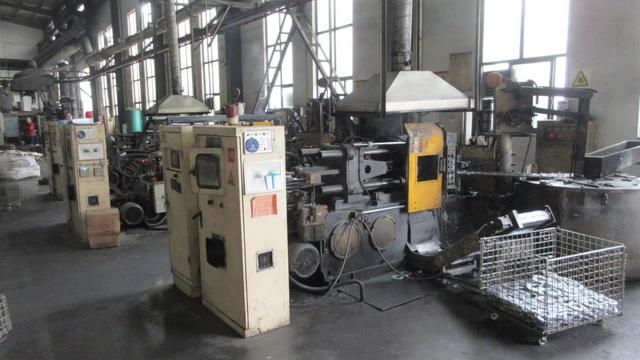
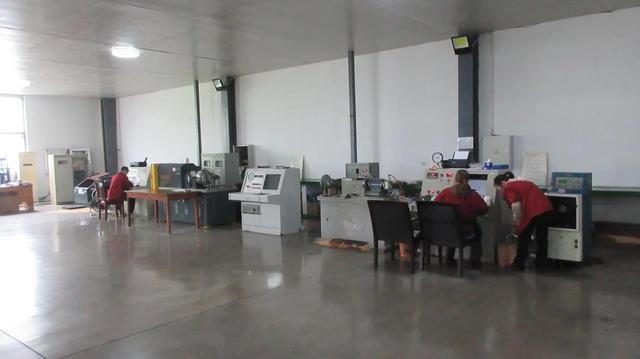
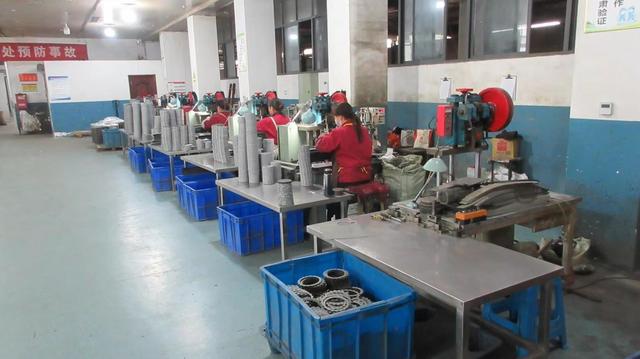
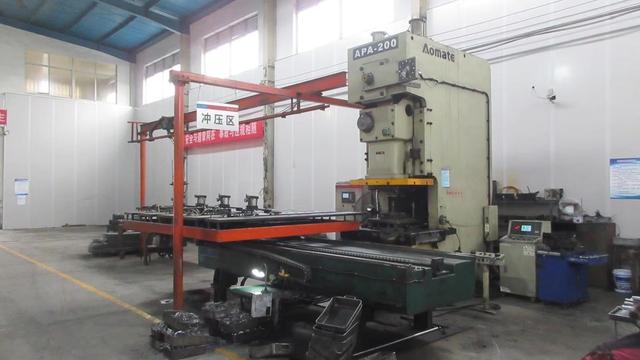
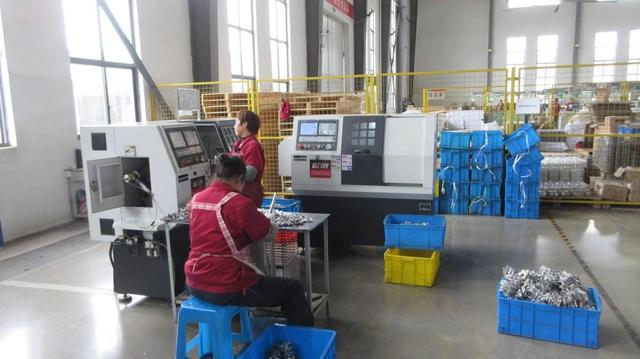
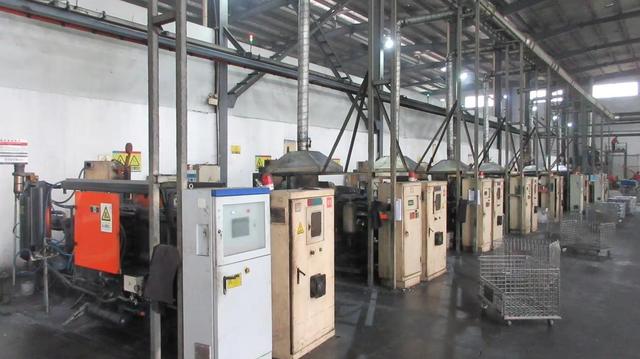
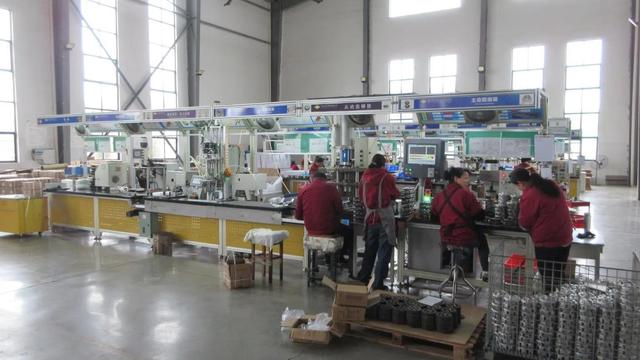
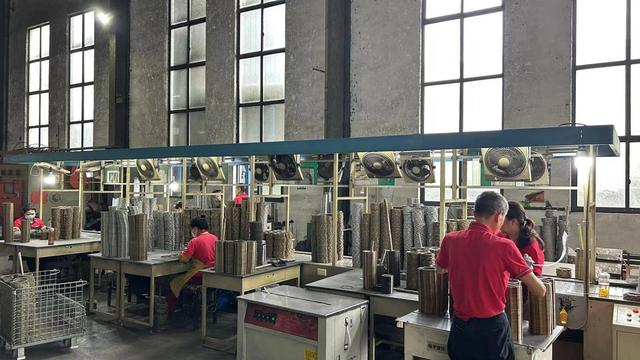
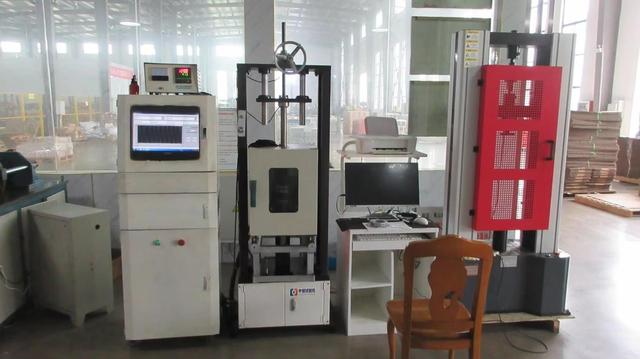
Located in Guangzhou, China, our advanced manufacturing hub implements high-precision CNC automation, induction hardening, and systematic QA workflows.
Guangzhou Yihe Auto Co., Ltd. serves a diverse and growing base of global passenger and commercial automotive accounts. By deploying fully automated machining cells and intelligent production networks, we execute high-volume OEM/ODM projects with speed and reliability. Our facilities feature in-line optical sorting systems, automatic sensor air-gap measurement units, and ultrasonic non-destructive testing for material integrity verification.
Proactive approaches to solving severe operational challenges and maximizing system lifetime efficiency.
Standard wheel bearings operating in extreme environmental zones (snow, saline coastlines, mud roads) frequently fail due to moisture ingress, which causes grease emulsification and metal-on-metal micro-scuffing.
The Solution: Our engineering team designs optimized multi-lip cassette seals featuring spring-loaded garter configurations. These seals maintain contact force over long service periods, shielding critical rolling elements from moisture ingress.
Uneven loading, high road vibrations, and improper manual preload application during field replacements can lead to localized stress concentration, resulting in surface spalling.
The Solution: By switching to fully integrated Generation 3 Hub Assemblies, preload values are locked during factory fabrication through orbital forming processes (riveting). This eliminates the risk of field installation errors and extends component life.
Total Cost of Ownership (TCO) evaluation framework for Tier-1 automotive purchasing directors.
Through-hardened steel and precision heat-treating ensure our products resist micro-cracking and material fatigue, minimizing warranty return claims.
Located in Guangzhou, our manufacturing facility benefits from proximity to global shipping networks, reducing freight transit windows and stabilizing lead times.
We provide full Level 3 Production Part Approval Process documentation, including failure mode effect analysis and control plans, to speed up integration verification.
Guangzhou Yihe Auto Co., Ltd. strictly adheres to localized environmental regulations in key target markets. We conform to EU RoHS (Restriction of Hazardous Substances) and REACH directives, ensuring that no banned chemical agents or heavy metal alloys enter the production loop.
Our forging facilities utilize high-efficiency energy management networks to minimize their carbon footprint. We optimize material usage, reducing recycling scrap rates and lowering energy consumption per metric ton of steel processed.
Our product development roadmap focuses on integrating digital sensors into Gen 3 and Gen 4 hub bearings. By embedding multi-axis accelerometer nodes into the hub assembly, we enable real-time telemetry of load, structural temperature, and micro-vibration patterns.
This data feeds directly into vehicle driver-assist computer systems, allowing predictive maintenance schedules to alert drivers before bearing components fail.
Direct technical answers addressing critical design, sourcing, and metallurgy inquiries.
Premium replacement systems and manufacturing support for global passenger, heavy transport, and specialty vehicle platforms.
 Yihe Auto