Explore high-precision automotive electronic assemblies, mechanical fasteners, system components, and custom-engineered industrial materials.

An in-depth look at how the shift toward Software-Defined Vehicles (SDVs) is driving demand for advanced infotainment and specialized auto component manufacturing.
The global automotive industry is undergoing a structural transition toward Software-Defined Vehicles (SDVs). At the center of this revolution is the In-Vehicle Infotainment (IVI) system, commonly referred to as the Head Unit. No longer merely serving as a basic radio and media receiver, today’s head units act as the primary operational gateway for intelligent cabins, vehicle diagnostics, advanced driver-assistance systems (ADAS) visualization, and cloud-connected telematics.
From a procurement perspective, global Tier-1 suppliers and automotive OEMs face dual challenges: securing high-computing SoC chipsets and sourcing highly durable mechanical, thermal, and electrical components. The physical head unit enclosure, connectors, mounting brackets, and sensory sub-systems must withstand extreme cabin temperature fluctuations, mechanical shock, and electromagnetic interference (EMI).
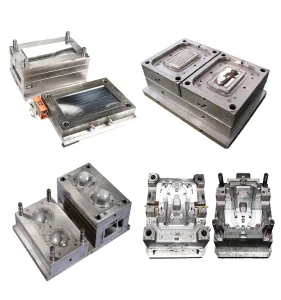
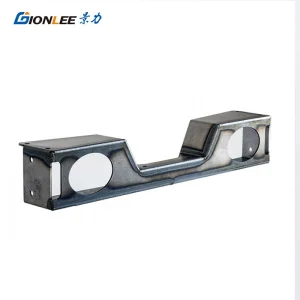
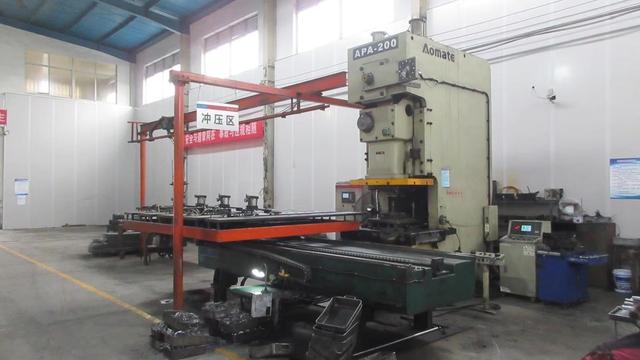
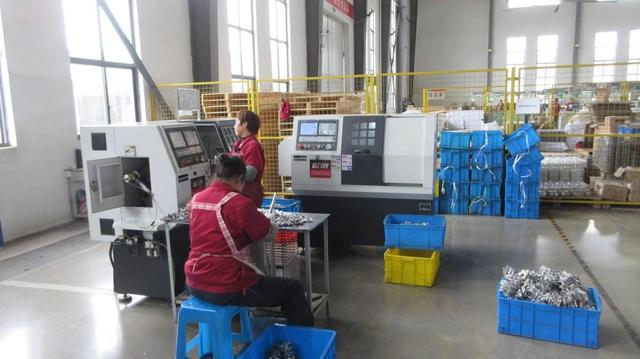
Consequently, sourcing managers look beyond traditional consumer electronics suppliers to partner with specialized automotive component manufacturers. Partners must demonstrate compliance with strict quality management frameworks like IATF 16949, alongside precision manufacturing techniques such as In-Mold Labeling (IML), CNC multi-axis machining, and progressive sheet metal stamping.
When selecting Tier-2 component suppliers for head unit mounting systems, custom wiring harnesses, thermal heatsinks, and sensor interfaces, procurement departments focus on:
Mapping the future trajectory of automotive hardware platforms, operating software architectures, and hardware-software integration.
Modern vehicle head units increasingly consolidate domains. Utilizing high-performance hypervisors (such as QNX or ACRN), a single system-on-chip (SoC) can concurrently run Android Automotive OS for user infotainment alongside safety-critical RTOS platforms for instrumentation cluster readouts.
Next-generation head units are moving beyond basic cellular modems. Integrating Cellular Vehicle-to-Everything (C-V2X) technology allows direct communication with surrounding smart infrastructure, pedestrian devices, and neighboring vehicles to deliver low-latency hazard alerts and navigation updates.
Modern infotainment platforms must support Over-the-Air (OTA) firmware updates. This capability permits automotive manufacturers to patch system security vulnerabilities, deploy feature enhancements, and introduce new functional apps throughout the vehicle lifecycle, establishing ongoing revenue streams.
As head units connect directly to vehicle CAN and LIN communication networks, security protocols must be designed at the hardware level. Integrating Secure Hardware Extensions (SHE) or Hardware Security Modules (HSM) is now a standard requirement during the early RFQ phases of head unit development.
Delivering high-precision structural, mechanical, and electronic components for the global automotive supply chain.
Guangzhou Yihe Auto Co., Ltd. is a professional Auto Parts Manufacturer | Engine Components, Suspension Parts & Automotive Systems dedicated to providing high-quality automotive components and customized manufacturing solutions for global vehicle manufacturers, distributors, wholesalers, and aftermarket suppliers. With years of industry experience, the company serves a wide range of automotive sectors, including passenger vehicles, commercial trucks, electric vehicles, and industrial transportation equipment.
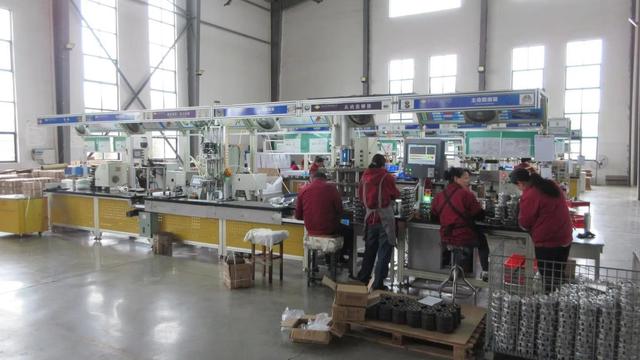
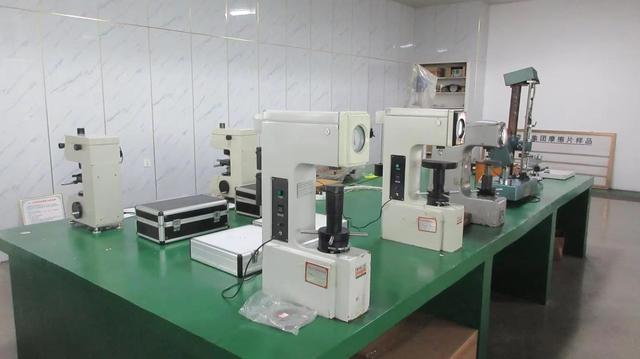
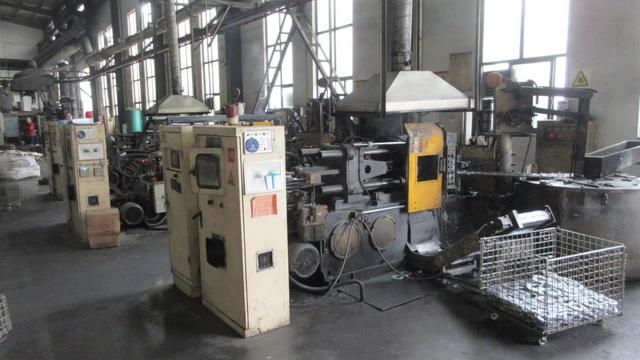
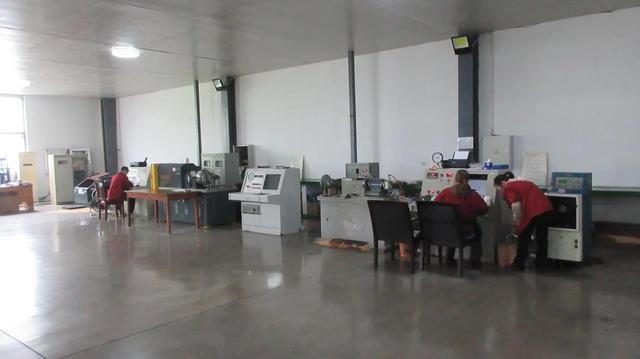
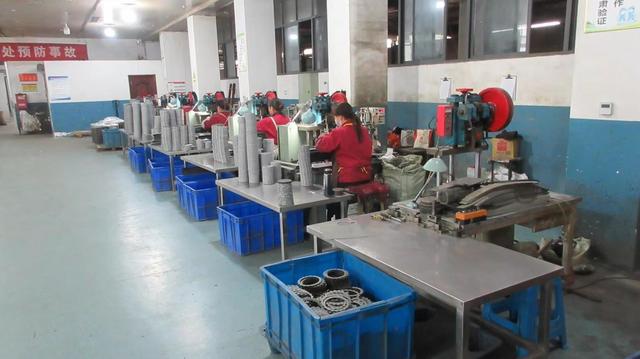
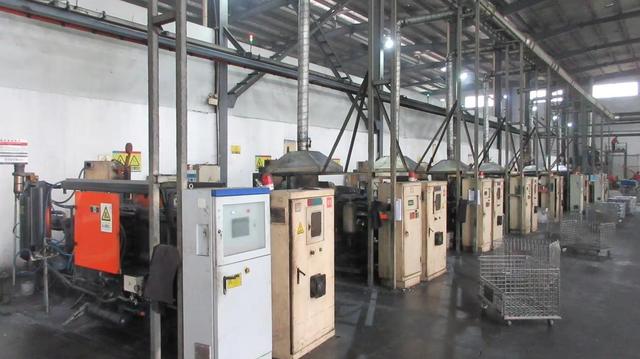
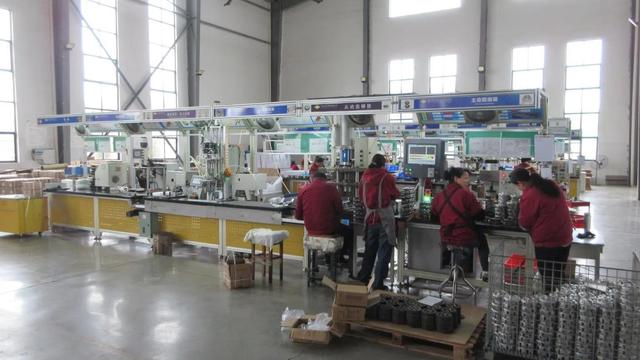
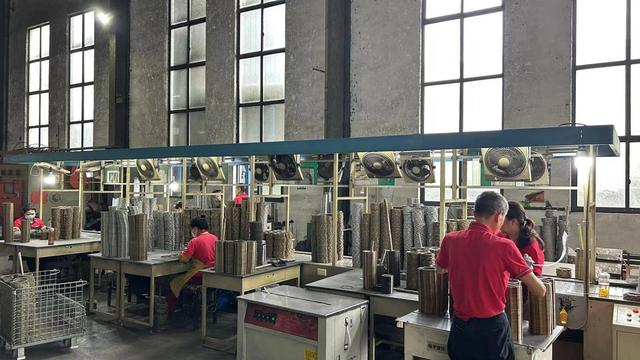
Located in Guangzhou, China, Yihe Auto operates modern production facilities equipped with advanced machining equipment, automated manufacturing lines, and comprehensive quality inspection systems. The company specializes in the development and production of engine components, suspension parts, steering system components, brake system parts, transmission components, chassis parts, automotive electrical systems, cooling system components, and various custom-engineered automotive solutions.
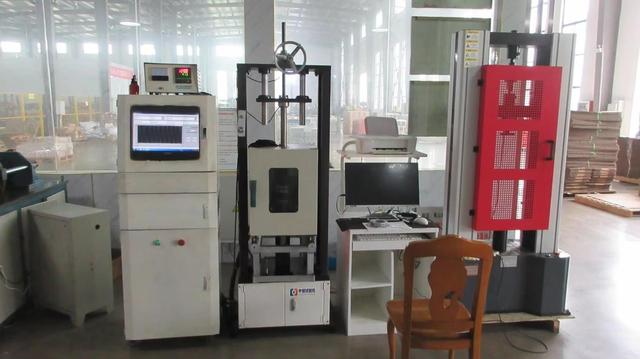
Quality, precision, and reliability are the foundation of the company's operations. Yihe Auto implements strict quality control procedures throughout every stage of production, from raw material sourcing and precision machining to assembly and final inspection. By utilizing advanced manufacturing technologies and high-performance materials, the company ensures that its products meet demanding industry standards for durability, safety, and long-term performance.
In addition to standard product manufacturing, Yihe Auto offers flexible OEM and ODM services tailored to customer requirements. The company's engineering and technical teams work closely with clients to develop customized automotive components that meet specific vehicle applications and market demands. From product design and prototyping to mass production and logistics support, Yihe Auto provides comprehensive manufacturing solutions under one roof.
Serving customers across North America, Europe, Southeast Asia, the Middle East, South America, and Africa, Guangzhou Yihe Auto Co., Ltd. has built a reputation for dependable quality, competitive pricing, and responsive customer service. The company remains committed to innovation, operational excellence, and long-term partnerships, helping customers achieve success in the rapidly evolving global automotive industry.
A comparative synthesis of the dominant market leaders shaping the in-vehicle infotainment landscape.
| Manufacturer Name | HQ Region | Primary Operating System Focus | Core Market Strengths & Specialty |
|---|---|---|---|
| 1. Bosch (Robert Bosch GmbH) | Germany | Linux / Android / QNX | Pioneering smart cockpit domain controllers (Cockpit Integration Platform). High-security gateway integration. |
| 2. Continental AG | Germany | Android Automotive / QNX | Excellent high-performance computer (HPC) platforms for vehicle servers. Focus on dynamic displays and HUD integrations. |
| 3. Denso Corporation | Japan | Proprietary RTOS / QNX | Highly reliable, safety-first cockpit systems tightly coupled with Toyota’s vehicle networks and ADAS suites. |
| 4. Harman International | USA / South Korea | Android / Linux / QNX | Exceptional brand equity in automotive acoustics and customized HMI software. Supported by parent company Samsung's chip design. |
| 5. Pioneer Corporation | Japan | Android Automotive / Linux | Strong dual presence in both OEM line-fit and consumer aftermarket channels. Leading sound tuning and navigation processing. |
| 6. Alpine Electronics | Japan | QNX / Android | High-end premium audio integration, specialized vehicle-specific tuning designs, and large-format screen assemblies. |
| 7. Panasonic Automotive | Japan / USA | Android / QNX / Linux | Global leader in OEM display supply. Deep integration capabilities with vehicle battery and energy management interfaces in EVs. |
| 8. JVCKENWOOD Corporation | Japan | Android / Proprietary | Strong performance in localized fleet management hardware and highly durable aftermarket multimedia receiver products. |
| 9. Visteon Corporation | USA | Android Automotive / Linux | Pioneering the SmartCore™ cockpit domain controller architecture, supporting multi-display setups from a single SoC. |
| 10. Desay SV | China | Android Automotive / Linux | Rapid agile development lifecycles, specializing in intelligent cabin platforms integrated with domestic ecosystems and smart driving chips. |
Understanding the stringent regulatory frameworks required for international distribution and vehicle line-fit approval.
Exporting head units or related electronic control components requires strict compliance with international regional markets. Every component housed in the passenger compartment must conform to safety, emission, and recycle guidelines:
Infotainment hardware must pass certification testing to ensure it does not emit harmful electromagnetic waves that could interfere with key vehicle functions (like steering or brake sensors), nor be vulnerable to interference from outdoor transmission towers. Regulatory standards include CISPR 25 and UN ECE R10.
Components inside the cabin are subject to high ambient temperatures and solar radiation. Test standards like ISO 16750 define strict temperature profiles (typically Class III: -40°C to +85°C) that head units and structural plastic components must pass to prevent chemical outgassing, structural warping, or micro-cracks.
With head units possessing cellular connectivity, they are points of entry for digital threats. Adhering to ISO/SAE 21434 (Road vehicles — Cybersecurity engineering) is critical for securing communication lines between infotainment clusters and vehicle control networks.
Direct, technical answers to common questions raised by procurement managers, automotive engineers, and Tier-1 system specifiers.
The typical lead time for custom automotive components spans from 4 to 8 months. This duration accounts for initial tooling design, DFM (Design for Manufacturing) analysis, mold creation, and pilot testing (T1 samples), followed by product validation stages (PPAP Level 3) before entering series production.
IATF 16949 defines the quality management system requirements specifically for the automotive sector. It focuses on continuous improvement, defect prevention, and the reduction of variation and waste in the supply chain. Partnering with certified facilities like Guangzhou Yihe Auto ensures standardized quality controls across manufacturing runs.
The primary challenges center on hardware abstraction layers (HAL) and device driver stability. Infotainment hardware must communicate seamlessly with vehicle communication networks (CAN/LIN buses). Ensuring real-time responsiveness for safety systems (e.g., rearview camera feeds appearing within 2.0 seconds of ignition) requires optimized firmware-to-hardware coordination.
Modern head units house high-performance CPU/GPU modules in small, unventilated dashboard spaces. Without proper thermal dissipation, units will experience thermal throttling or component failures. Engineers resolve this by utilizing high-conductivity aluminum heatsinks (often CNC-machined or die-cast) and thermal interface materials (TIMs) to route heat away from crucial processor chips.
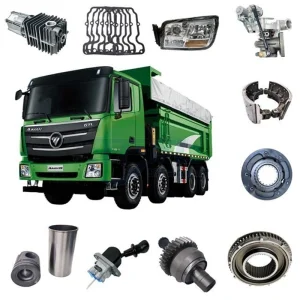
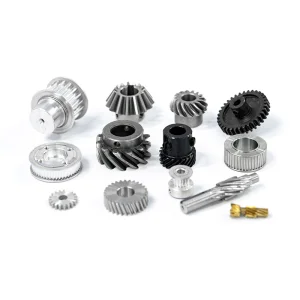
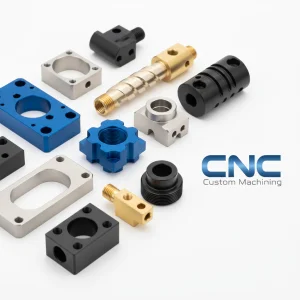
Select from our range of structural components, engine spares, high-precision transmission gears, and custom CNC metal fabrications.

 Yihe Auto