Yihe Auto
Latvian Industrial Realities: High-Performance Demand in Challenging Environments
Latvia serves as the vital logistics gateway of the Baltic region, connecting Western Europe with Eastern transit corridors. With primary industrial hubs anchored around Riga, Liepāja, and Ventspils, the domestic commercial transport fleet is subject to intense operational loads. Latvia’s transportation corridors (such as the Via Baltica motorway) require continuous reliability. Additionally, the agricultural and forestry machinery operating in the dense rural hinterlands requires specialized fuel injection systems capable of withstanding extreme environmental stress. Heavy equipment, from dump trucks to specialized excavators, requires high-durability components to ensure zero-downtime performance.
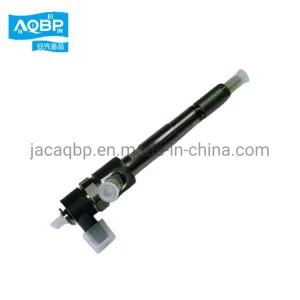
Furthermore, Baltic winters present significant thermal challenges. Diesel fuel systems must handle operating temperatures as low as -30°C. Cold-start sequences place excessive stress on pressure control valves, common rail diesel injectors, and fuel supply lines. The introduction of modern biofuel blends (biodiesel) mandated by EU environmental directives requires components constructed from advanced, corrosion-resistant polymers and specialized sintered stainless steel to prevent polymer degradation and internal rust. Guangzhou Yihe Auto Co., Ltd. addresses these specific challenges by engineering components that meet these rigorous local conditions.
Global Fuel System Evolution & Future Tech Roadmap
The global automotive industry is undergoing a strict regulatory transition, with the European Union leading the charge through Euro VI emission standards and the upcoming Euro VII framework. Modern internal combustion engines (ICE) and hybrid drivetrains require extremely high injection pressures (up to 2,500 bar and beyond) to achieve optimal air-fuel mixing and minimize particulate emissions. At this pressure threshold, conventional metallurgy fails due to mechanical fatigue, requiring the implementation of precision sintering and advanced powder metallurgy.
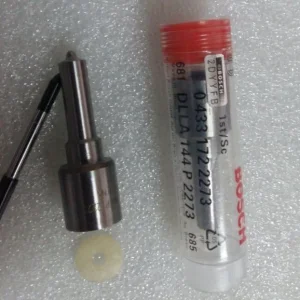
Key Tech Trend: Micron-level tolerances in common rail injection systems are no longer optional. Precision control valves must modulate fuel flow with millisecond accuracy to optimize combustion profiles, directly reducing particulate matter (PM) and nitrous oxide (NOx) output.
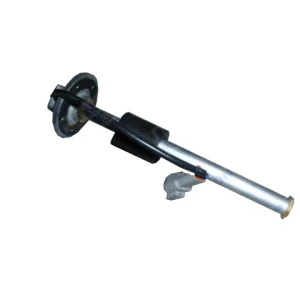
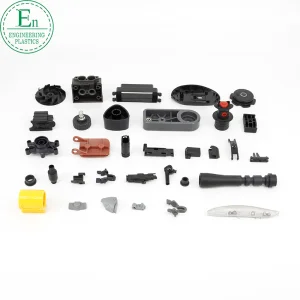
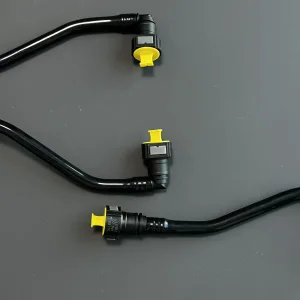
To align with these advancements, modern material pathways rely heavily on specialized materials such as polyamide 12 (PA12) for high-pressure fuel lines. PA12 provides exceptional chemical resistance to biofuel blends, high mechanical strength to resist pulsing fuel pressures, and vibration-damping characteristics that protect connections from fatigue failure. Additionally, the implementation of PBT (Polybutylene Terephthalate) injection-molded components ensures robust electrical connectors and housings for fuel level sensors and solenoids operating in thermal-cycling engine bays.
2,500+
Bar Injection Pressure
< 2μm
Precision Tolerances
IATF
16949 Standards
100%
Pressure-Tested