Yihe Auto
Danish Automotive & Commercial Vehicle Market Outlook
The Kingdom of Denmark, strategically bridging Central Europe and the Scandinavian Peninsula, hosts one of the most demanding operational environments for automotive and heavy-duty commercial suspension systems. With key logistics corridors running along the E45 and E20 freeways, linking German industrial hubs to Sweden and Norway, Denmark’s heavy transport infrastructure is subject to immense, continuous cargo throughput. This high traffic intensity demands uncompromising structural durability from trailer truck chassis, suspension linkages, and absorption units.
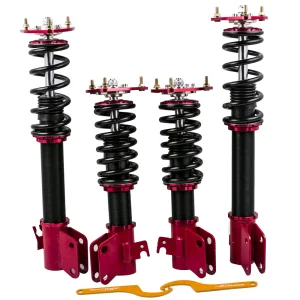
Moreover, Denmark's unique geographic topology—surrounded by the North Sea, the Kattegat, and the Baltic Sea—creates high atmospheric salinity. For vehicle components, this marine climate means constant exposure to sodium chloride, accelerating electrochemical corrosion processes. During the winter season, municipal services aggressively apply chemical de-icers and liquid brines. These corrosive elements lodge in the crevices of control arm bushings, coil spring mounts, and stabilizer links. Sourcing replacement parts that lack robust multi-layer surface coatings inevitably leads to premature micro-cracking, structural oxidation, and catastrophic metal fatigue failure.
Denmark's Transport Authority (Færdselsstyrelsen) enforces rigorous biennial vehicle safety inspections, known locally as "Bilsyn". Inspectors pay meticulous attention to the steering and suspension geometry. Any perceptible play in control arm ball joints, degradation of stabilizer bushings, dampness indicating shock absorber fluid leakage, or deep-seated rust on structural subframes results in an immediate safety failure. Consequently, Danish fleet managers, workshops, and aftermarket retailers prioritize sourcing parts built to exact OE specifications to avoid costly vehicle downtime and regulatory non-compliance.
The EV Revolution and Its Impact on Chassis Dynamics in Denmark
Denmark is a global leader in the adoption of clean energy vehicles, with electric vehicles (EVs) representing the fastest-growing segment of the national car parc. However, the physical architecture of modern EVs imposes unprecedented mechanical stresses on chassis components. The heavy lithium-ion battery packs add an average of 400kg to 700kg of unsprung and deadweight to the chassis compared to traditional internal combustion engines.
This sustained payload changes the dynamics of kinetic energy absorption:
- Continuous High Static Load: Heavy battery installations mean suspension systems, air springs, and control arms are subjected to high compression rates, requiring stiffer deflection rates and stronger fatigue resistance.
- Instantaneous Torque Stress: EV motors deliver maximum torque instantly. This sudden longitudinal force places massive load demands on the front control arm bushings and steering knuckles during acceleration and regenerative braking cycles.
- Low-Frequency Vibrations: Without the sound and mechanical mask of a diesel or gasoline engine, cabin isolation requirements are higher. Suspension bushings must filter out road micro-vibrations without introducing steering play.
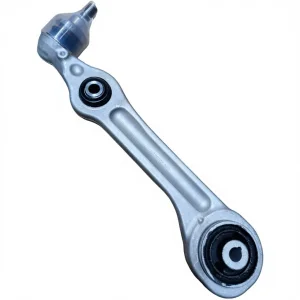
To address these structural shifts, our manufacturing protocols have evolved. We utilize high-tensile forged aluminum alloys to reduce unsprung mass while increasing tensile yield limits. Our heavy-duty rubber and polyurethane components are formulated with proprietary anti-ozonant compounds to maintain elasticity down to -30°C, ensuring that Danish EV owners experience OE-level ride comfort and longevity.
Why Sourcing Direct from a China Factory Offers the Ultimate Advantage
For Danish wholesalers, commercial fleet operators, and industrial distributors, buying directly from a highly specialized Chinese automotive component manufacturer like Guangzhou Yihe Auto Co., Ltd. offers structural economic and technical advantages. By shifting away from multi-tiered domestic European distributors, procurement departments can capture higher gross margins while securing direct technical alignment with the factory floor.
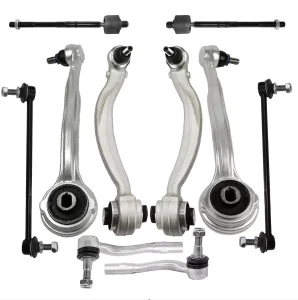
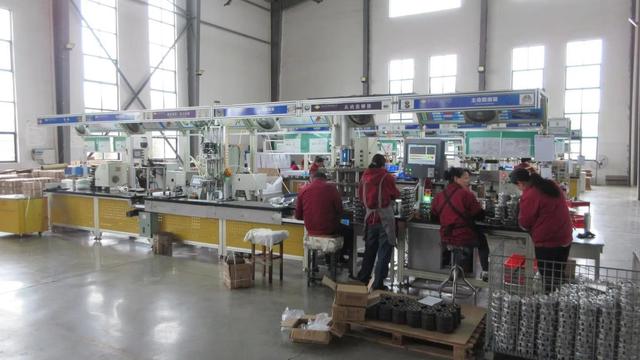
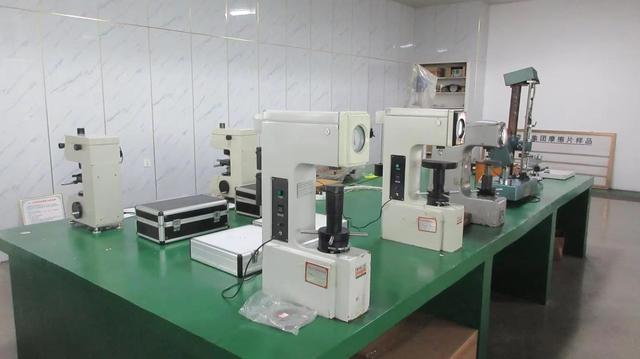
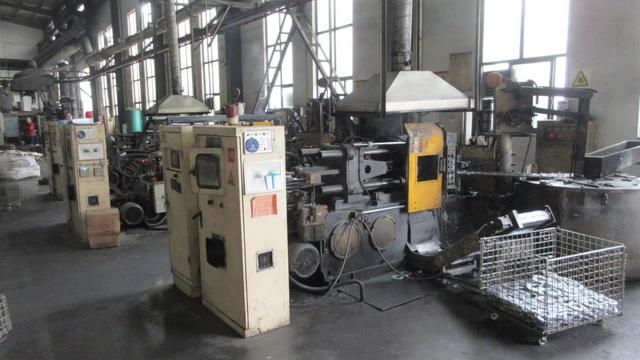
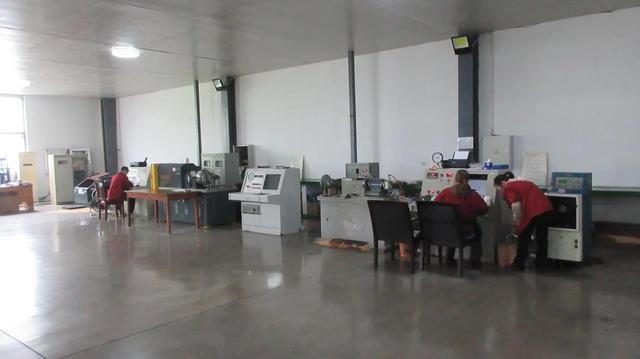
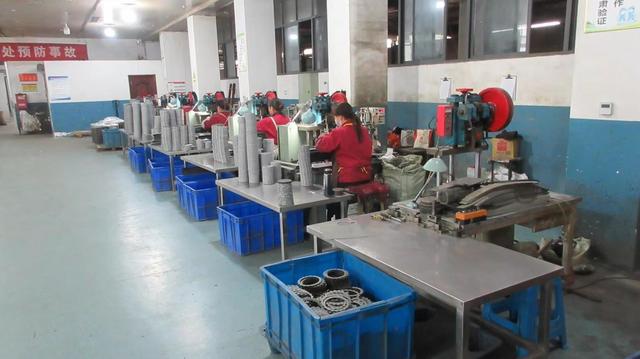
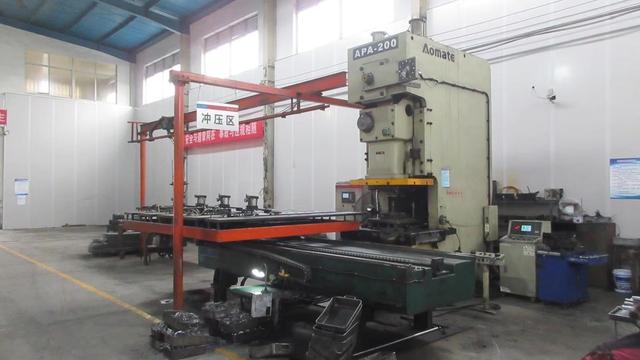
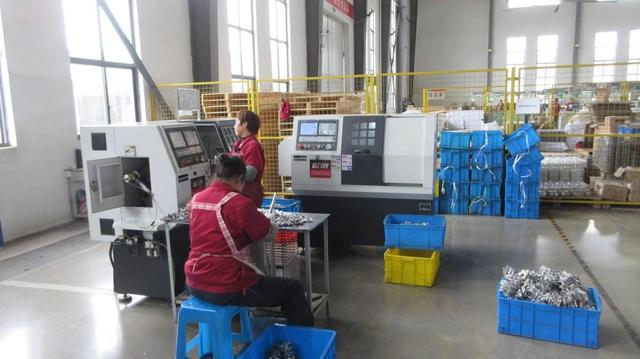
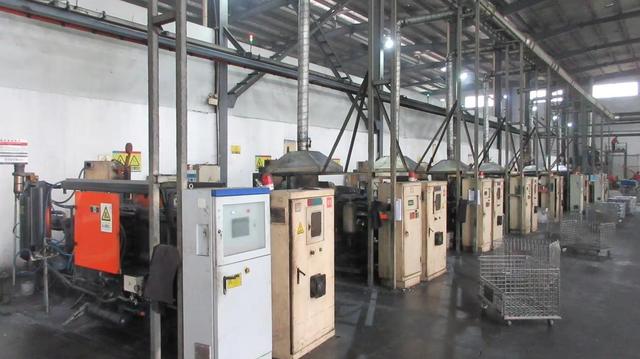
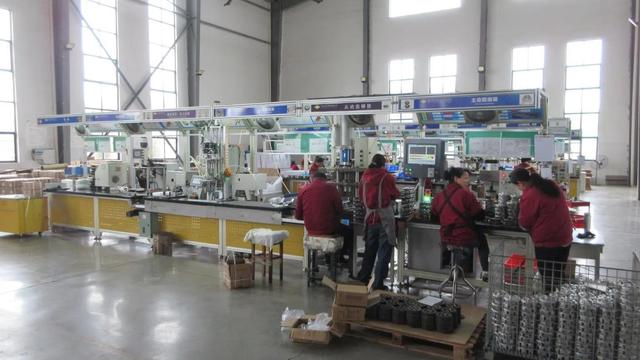
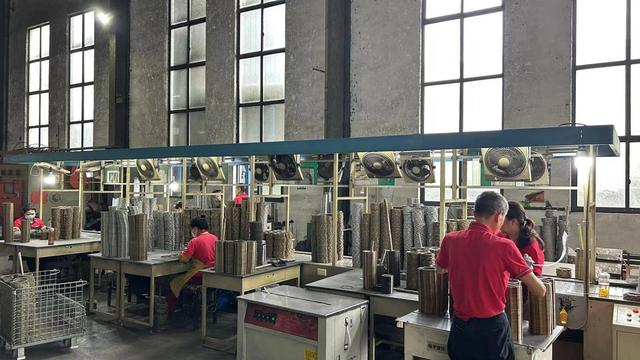
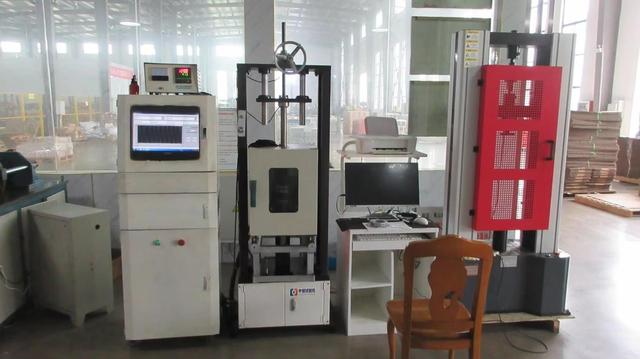
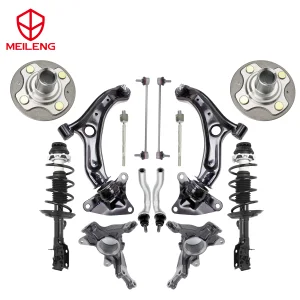
At Guangzhou Yihe Auto, we align our manufacturing systems with rigorous German and Japanese automotive standards. Our production plant is equipped with precision multi-axis CNC machines, automated robotic welding stations, and specialized heat treatment chambers. This level of automation guarantees that the dimensional tolerances of our steering knuckles, hub bearings, and control arms remain within microscopic margins (±0.02mm), ensuring direct, hassle-free replacement on European vehicles.
Furthermore, our direct export capabilities allow us to customize packaging, shipping routes, and labeling configurations (including customized EAN barcodes and private labeling branding) to integrate with Danish warehouse management systems. By leveraging optimized sea-freight routes from Guangzhou port directly to the Ports of Aarhus or Copenhagen, we ensure reliable stock replenishment cycles.