Explore our top-tier automotive products designed to achieve seamless mechanical power transmission, high thermal resilience, and exact dimensions matching international OEM standardizations.
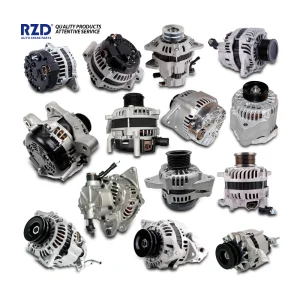
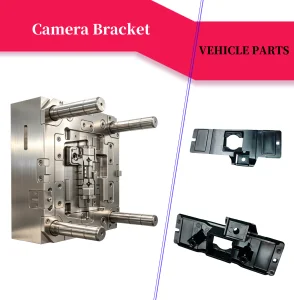
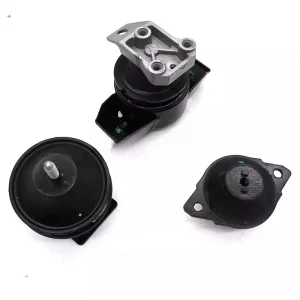
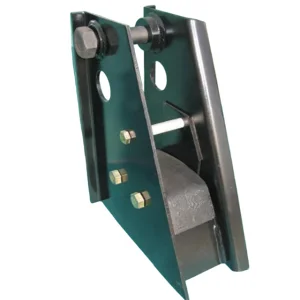
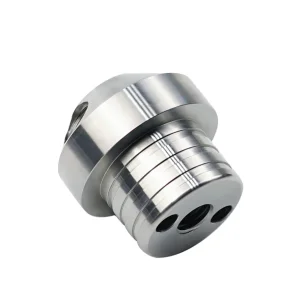
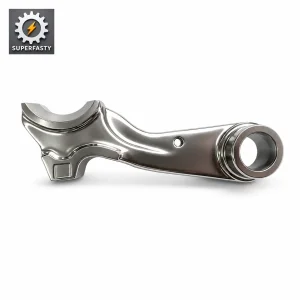
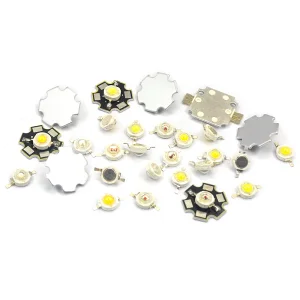
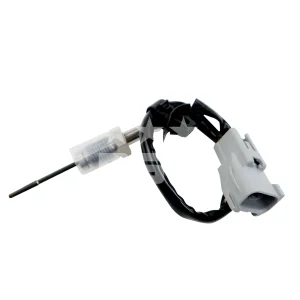
Guangzhou Yihe Auto Co., Ltd. is a professional Auto Parts Manufacturer | Engine Components, Suspension Parts & Automotive Systems dedicated to providing high-quality automotive components and customized manufacturing solutions for global vehicle manufacturers, distributors, wholesalers, and aftermarket suppliers. With years of industry experience, the company serves a wide range of automotive sectors, including passenger vehicles, commercial trucks, electric vehicles, and industrial transportation equipment.
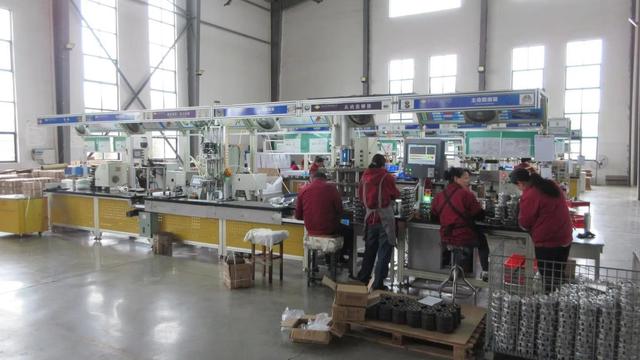
Located in Guangzhou, China, Yihe Auto operates modern production facilities equipped with advanced machining equipment, automated manufacturing lines, and comprehensive quality inspection systems. The company specializes in the development and production of engine components, suspension parts, steering system components, brake system parts, transmission components, chassis parts, automotive electrical systems, cooling system components, and various custom-engineered automotive solutions.
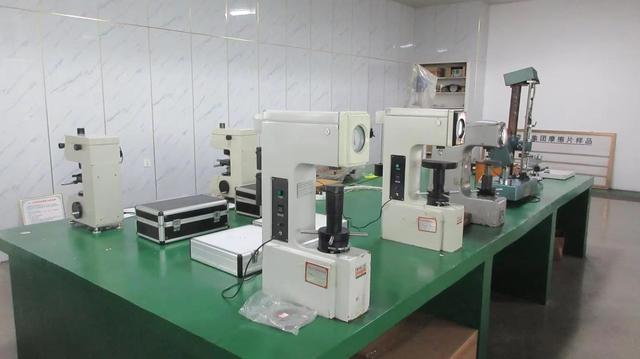
Quality, precision, and reliability are the foundation of the company's operations. Yihe Auto implements strict quality control procedures throughout every stage of production, from raw material sourcing and precision machining to assembly and final inspection. By utilizing advanced manufacturing technologies and high-performance materials, the company ensures that its products meet demanding industry standards for durability, safety, and long-term performance.
High-performance drive belts and serpentine systems represent the critical link in kinetic power distribution across modern engines, assembly automation, and heavy transport infrastructure.
Modern industrial and automotive power transmission relies heavily on high-tensile belts (such as timing belts, ribbed V-belts, and heavy-duty conveyor belts) to transfer energy from the crankshaft to vital subsystems like alternators, water pumps, air conditioning compressors, and steering pumps. With the rapid expansion of global logistics networks, the requirements for belts have escalated from standard commercial grades to high-stability, zero-stretch compounds capable of operating continuously under intense pressure, extreme heat (up to 150°C), and sub-zero Arctic conditions (-40°C).
As a leading supplier based in China, we leverage highly integrated supply chains, advanced synthetic rubber vulcanization, and robotic cord-winding technology to bridge the gap between premium performance and economic viability. Today, our belt manufacturing technology serves passenger cars, commercial transport fleets, structural mining conveyor grids, and specialized agricultural machinery globally.
Understanding the multi-layered compounds, fiber reinforcements, and mechanical interfaces that prevent slip and ensure decade-long fatigue resistance.
A reliable transmission belt is never just a strip of rubber. It is a highly engineered composite material consisting of multiple distinct layers:
By engineering these distinct elements together, Guangzhou Yihe Auto Co., Ltd. produces drive belts that operate with an efficiency index exceeding 98%, cutting down fuel consumption and preventing early catastrophic failure in high-performance cooling or alternator charging circuits.
From freezing high-altitude transportation corridors to the dust-heavy environment of tropical mining hubs, our belts are tailored to withstand diverse physical conditions.
In regions such as Northern Europe, Canada, and high-altitude transport lines in Western China, standard rubber belts become brittle and crack instantly on morning ignition. Our EPDM formulated belts maintain complete flexibility down to -45°C, ensuring instant power generation for alternator systems without slipping.
Heavy-duty diesel applications in Middle Eastern or Australian mining sectors require maximum resistance to sand abrasion and scorching block temperatures. Our outer layer fabric is infused with dust-repellant chemistry and HNBR compounds that withstand oil mist and continuous temperatures of 140°C.
Modern hybrid vehicles switch on and off repeatedly, creating massive sudden torque spikes on the starter-generator drive system. Our carbon-cord reinforced synchronous belts minimize mechanical lag, dampening acoustic vibrations for comfortable cabin performance.
We utilize digital controls, cleanrooms, and testing facilities to meet the stringent demands of global automotive aftermarket procurement and OE replacement specifications.
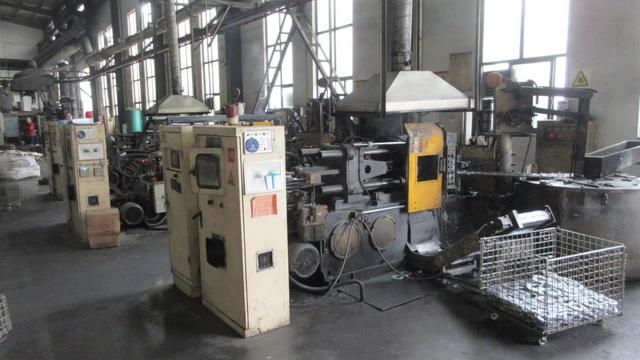
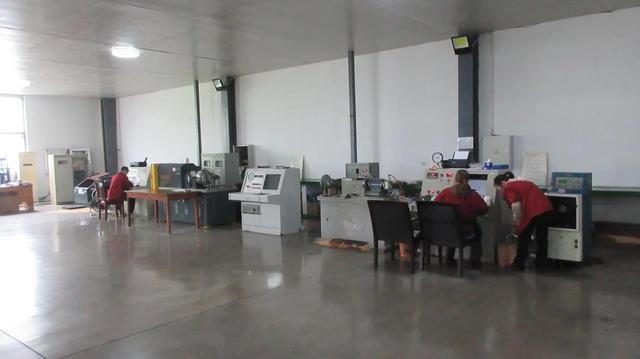
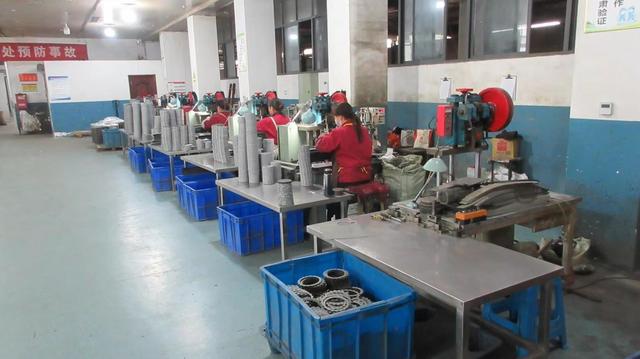
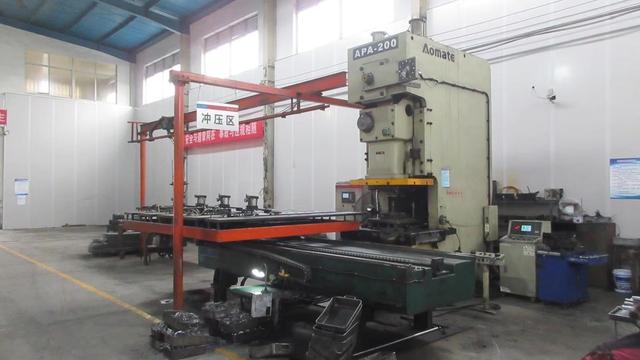
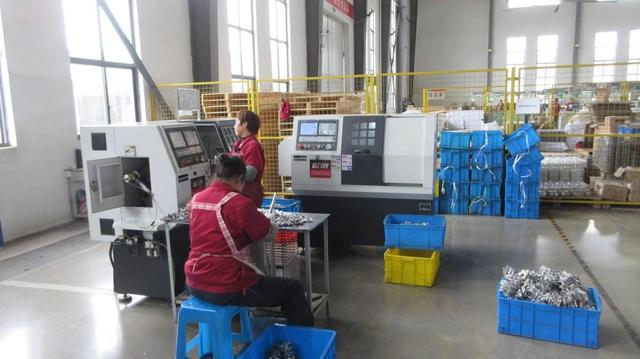
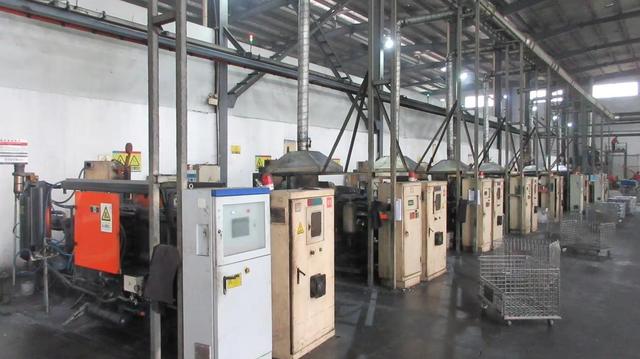
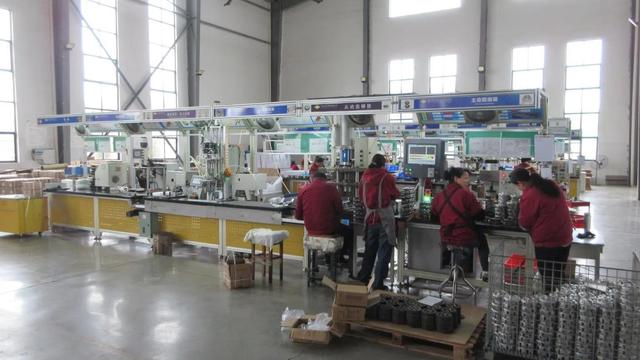
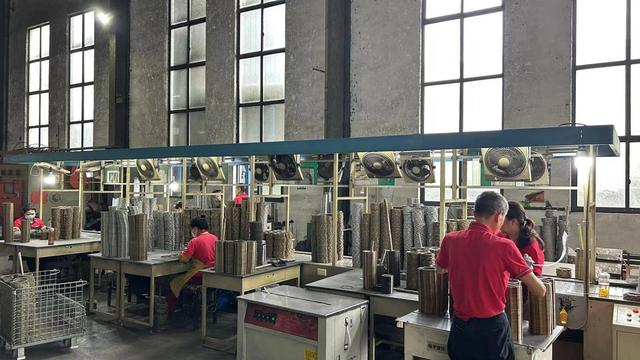
Our commitment to OEM adaptation has positioned Guangzhou Yihe Auto Co., Ltd. as a preferred supplier for multinational automotive brands. The factory floor combines automated compression molding with online quality monitors that screen each belt for thickness deviations down to the micron. This mechanical discipline ensures that when our belts are paired with associated products (like heavy-duty alternators or drivetrain components), they run true, avoiding premature edge wear, heat buildup, and system noise.
How we are adapting power transmission belts to meet the demands of tomorrow’s hybrid, electric, and smart autonomous vehicles.
As the global automotive industry moves towards hybrid propulsion systems and thermal optimization, transmission belt requirements are changing. Standard designs are being replaced by high-performance systems capable of handling rapid acceleration and recovery cycles. Our research division is actively developing solutions to meet these future demands:
By investing in these advanced material pathways, we ensure that global procurement managers receive cutting-edge belt designs that comply with both rigorous mechanical standards and evolving eco-regulations.
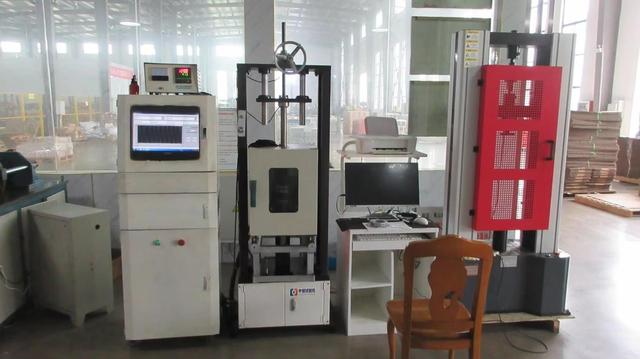
Streamlining the procurement process with consolidated component sourcing, custom compound formulation, and end-to-end quality guarantees.
For large-scale international auto parts distributors, managing multiple suppliers for drive belts, pulleys, alternators, and engine mounts leads to high administrative costs and quality discrepancies. Guangzhou Yihe Auto Co., Ltd. addresses this challenge by providing single-source manufacturing. We supply not only premium power transmission belts but also the corresponding metal tensioners, brackets, alternators, and electrical systems, ensuring perfect compatibility across all parts.
Whether you require aftermarket parts designed to match original equipment parameters, or fully customized belts engineered for new machinery, our engineering division handles everything from initial custom elastomer compound development to thermal testing and mass manufacturing. This integrated approach ensures consistent quality, simplifies logistics, and reduces lead times for major distributors in North America, Europe, Asia, and Africa.
Read our detailed technical answers addressing key design features, materials, and troubleshooting tips for automotive and industrial power transmission systems.
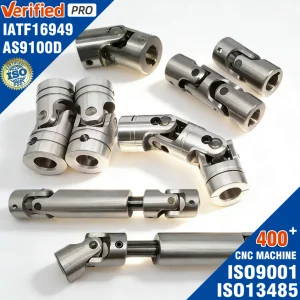
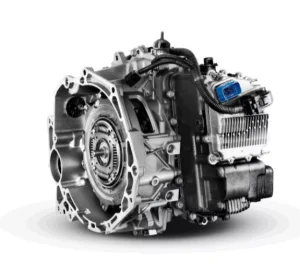
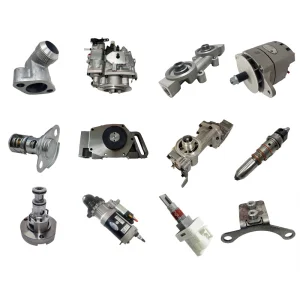
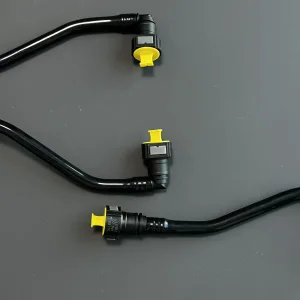
Explore our range of heavy-duty industrial components, including gearbox replacements, CNC-machined connectors, and high-pressure fuel lines designed to operate alongside our power transmission systems.
 Yihe Auto