High-durability mechanical systems, drivetrain parts, and suspension components manufactured under IATF 16949 standards.
As the global automotive industry undergoes its most rapid transformation in a century, the demand for high-precision mechanical connection technologies—specifically automotive fasteners—has reached unprecedented levels. Modern vehicles are no longer merely mechanical assemblies; they are complex, electrified cyber-physical systems requiring mechanical integrity that can withstand extreme environmental and structural stresses.
The global automotive fasteners market, valued at over USD 22 billion, is increasingly dependent on Chinese manufacturing hubs. This transition is not merely driven by cost efficiencies but by the rapid evolution of metallurgical sciences, cold-heading automation, and supply chain consolidation. Today's tier-1 automotive suppliers and Original Equipment Manufacturers (OEMs) demand fasteners that fulfill rigorous E-E-A-T (Experience, Expertise, Authoritativeness, and Trustworthiness) requirements. From engine cylinder head bolts capable of resisting high dynamic fatigue to insulated fastening mechanisms designed specifically for high-voltage Electric Vehicle (EV) battery packs, China’s industrial ecosystem provides the critical baseline of engineering precision needed globally.
In terms of supply chain security, localized production capabilities in regions like Guangzhou, China, offer global buyers a diversified risk profile. With access to major deep-water ports, highly integrated raw material networks (such as specialized alloy wire rod mills), and localized heat treatment facilities, Chinese automotive fastener factories have transformed into world-class partners for global automotive assemblies.
Guangzhou Yihe Auto Co., Ltd. stands at the forefront as a professional Auto Parts Manufacturer specializing in Engine Components, Suspension Parts, and Automotive Systems. The company is dedicated to providing high-quality, customized automotive components and engineering solutions for global vehicle manufacturers, aftermarket distributors, and tier-1 assembly suppliers. Serving passenger vehicles, heavy-duty commercial trucks, electric vehicles (EVs), and specialized industrial transport machinery, Yihe Auto has integrated advanced manufacturing technology with rigorous regulatory compliance.
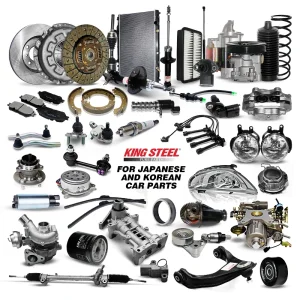
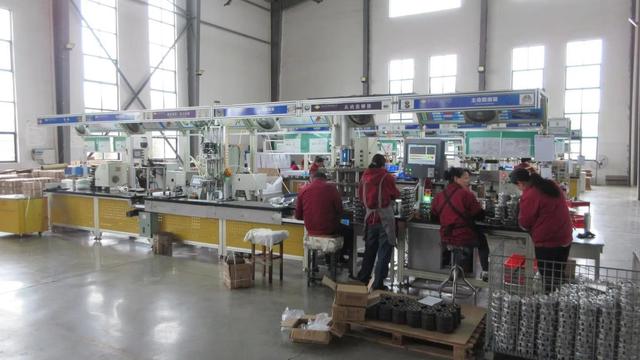
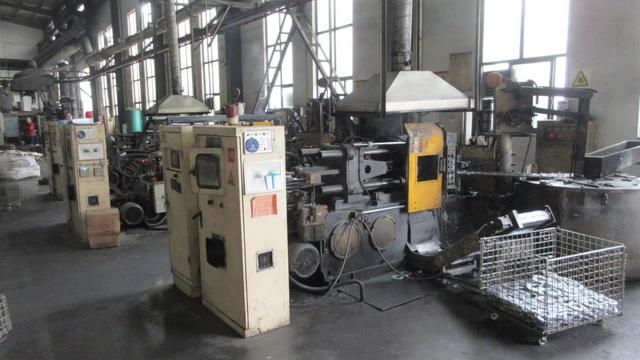
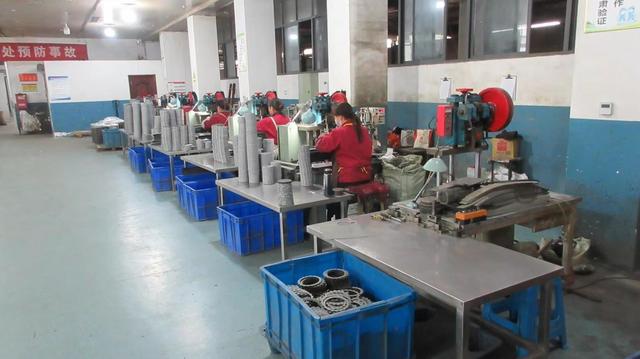
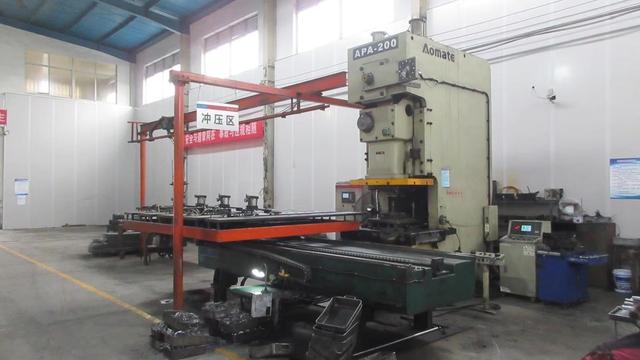
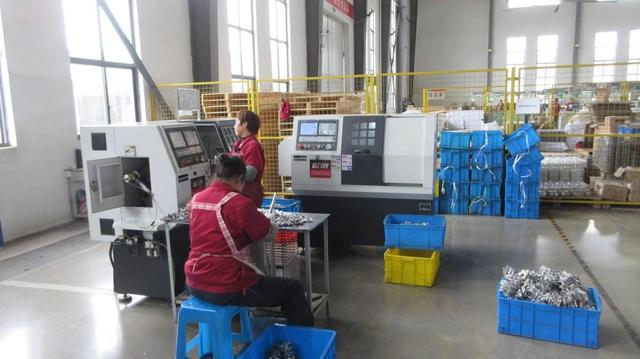
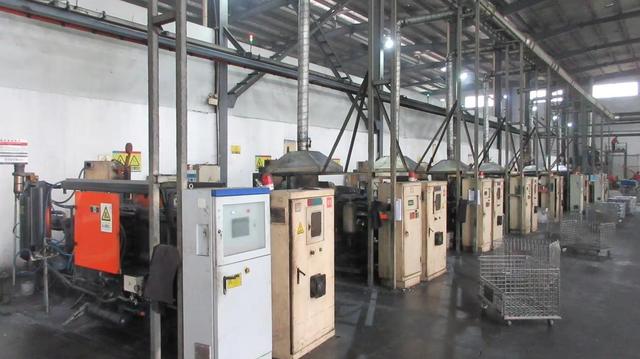
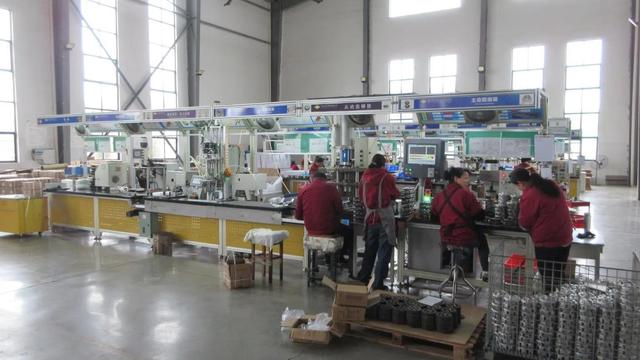
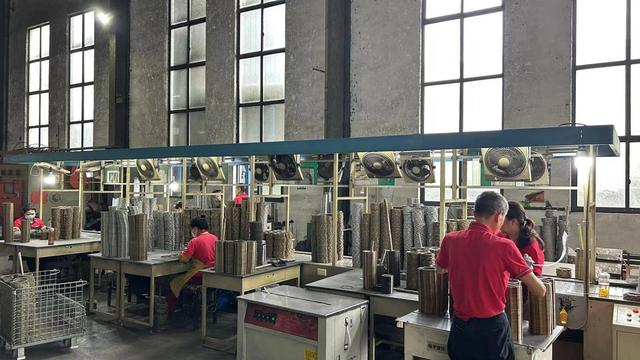
Located in Guangzhou, a core automotive industrial cluster in South China, Yihe Auto operates state-of-the-art production facilities. These operations are equipped with multi-station cold heading machinery, high-precision CNC machining centers, automated welding and stamping lines, and proprietary surface treatment technologies. The enterprise specializes in the production of critical components including:
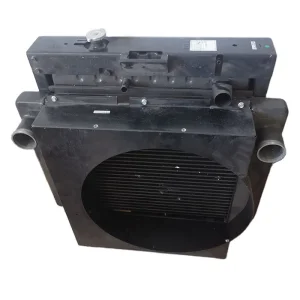
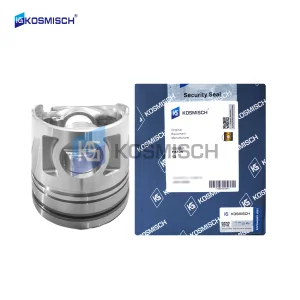
High-precision piston kits, crankshaft assemblies, cooling system components, and advanced valve train hardware engineered for thermal resilience.
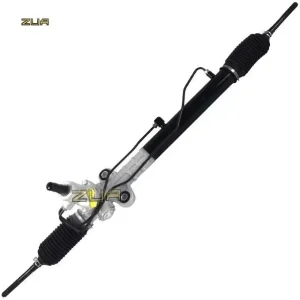
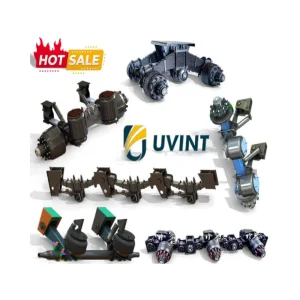
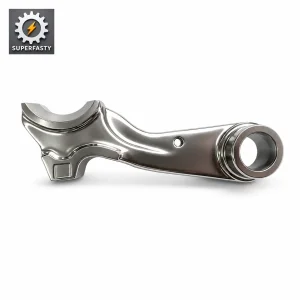
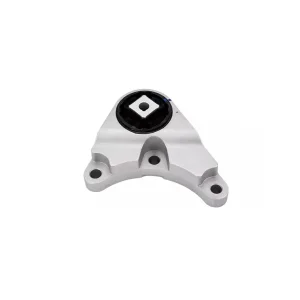
Steering gear rack and pinion mechanisms, heavy-duty mechanical suspension leaf-spring systems, tie rods, control arms, and vehicle stabilizer linkages.
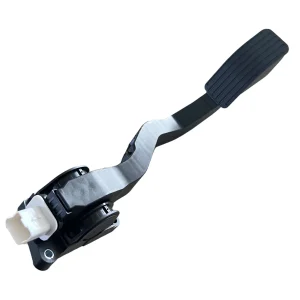
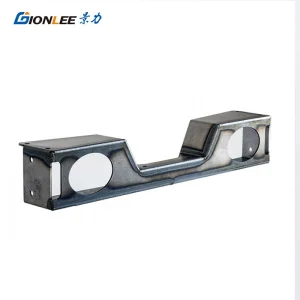
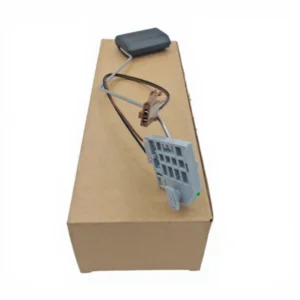
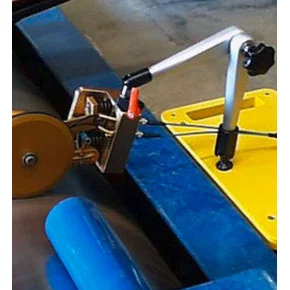
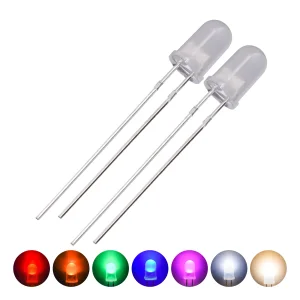
Electronic throttle pedals, chassis dynamometer speed sensors, LED indicators, custom sheet metal chassis stamping, welding, and corrosion-resistant coating parts.
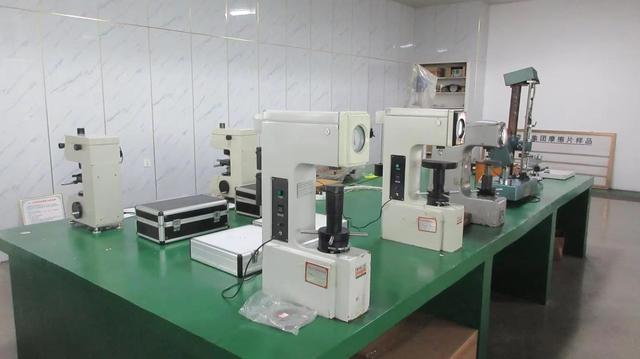
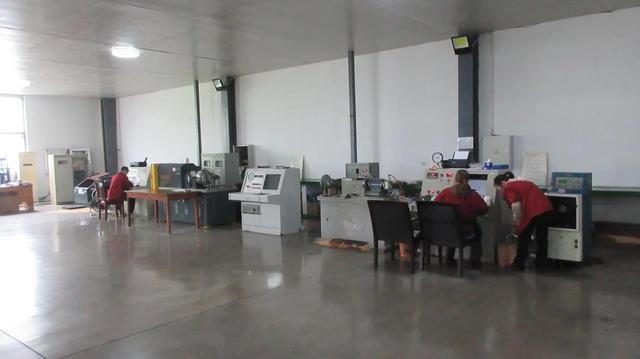
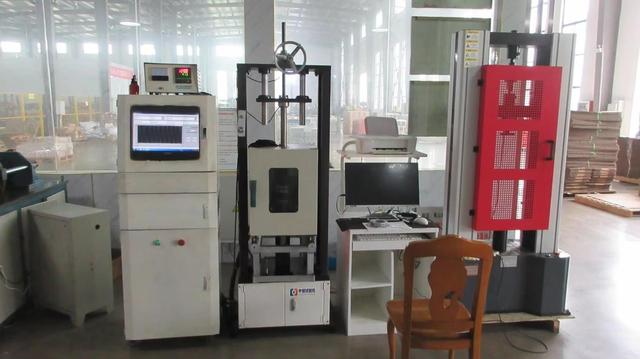
Guangzhou Yihe Auto Co., Ltd. implements total quality management procedures across all production phases—from metallurgical verification and raw material inspection to automated dimensions measurement and acoustic emission testing. Offering robust OEM and ODM partnerships, the company aligns its engineering teams directly with clients to facilitate customized product design, prototyping, pilot runs, and volume manufacturing, thereby providing a comprehensive one-stop industrial supply chain solution.
International procurement agents handling fastener imports face strict requirements concerning mechanical safety, structural integrity, and chemical formulation. Fasteners represent only a small fraction of a vehicle's build cost, yet they account for over 45% of the total components used in a passenger car. Failure of a single critical fastener, such as a wheel hub bolt or a steering rack assembly screw, can result in catastrophic product recalls.
To mitigate these risks, procurement strategies are evaluated against several key technical benchmarks:
The shift from Internal Combustion Engines (ICE) to Battery Electric Vehicles (BEVs) and Plug-in Hybrid Electric Vehicles (PHEVs) has introduced new requirements for fastening technology. Guangzhou Yihe Auto Co., Ltd., along with key tier-1 Chinese factories, is developing specialized joining solutions to meet these electric powertrain challenges:
Battery enclosures contain high-voltage busbars and module configurations. Fasteners must incorporate plastic-overmolded heads or specialized ceramic coatings to prevent electric arcing and stray current paths.
Lightweighting involves joining aluminum battery housings with high-strength steel vehicle bodies. This creates a galvanic cell risk, which is managed through customized isolation barriers and high-performance organic coatings.
Battery packs cycle between ambient and high operating temperatures during fast charging. Fasteners must maintain target clamping force across these temperature variations without inducing thermal fatigue.
The integration of hybrid multi-material joining technologies is a key focus on the technical roadmap. Self-tapping screws for high-strength thin-sheet steel, flow-drill screws (FDS) for aluminum profiles, and blind rivet nuts for single-sided access applications are now standard parts of modern vehicle production. Additionally, development continues on "smart fasteners" embedded with piezo-resistive films that measure and transmit clamp-load data in real-time, allowing predictive maintenance on heavy industrial vehicles.
To maintain status as a qualified supplier in the automotive sector, factories must operate under the IATF 16949 quality system. This standard requires comprehensive risk management via FMEA (Failure Mode and Effects Analysis) and structured APQP (Advanced Product Quality Planning) protocols. High-precision manufacturing is managed through several key quality controls:
Operating in a global marketplace requires strict adherence to international trade regulations, environmental standards, and localized delivery timelines. Chinese exporters, such as Guangzhou Yihe Auto Co., Ltd., align their manufacturing processes with key international frameworks to ensure smooth operations:
Detailed answers to frequently asked engineering and procurement questions regarding automotive hardware, suspension parts, and custom fabrication.
Compliance is verified through documentation and manufacturing monitoring. We provide full Production Part Approval Process (PPAP) Level 3 packages, including Process Flow Diagrams, Process FMEA, Control Plans, Measurement System Analysis (MSA) studies, and Material Certification sheets traceable back to the steel melt.
To prevent hydrogen embrittlement, high-tensile components are baked in temper-controlled ovens at 200°C to 220°C for at least 4 hours immediately following the electroplating process. This allows atomic hydrogen to diffuse out of the steel grid before the surface layer closes.
Friction coefficients are maintained by applying integrated lubricants or sealers (such as Gleitmo or Torq-Tect) over our zinc-flake or zinc-nickel platings. Standardized testing is conducted on ISO 16047 torque-tension equipment to confirm the friction coefficient remains within the μ = 0.12 - 0.18 range.
For chassis and suspension components, we recommend Zinc-Nickel (Zn-Ni) electroplating with a trivalent passivation sealer, or organic zinc-flake coatings. These treatments provide over 1,000 hours of resistance to red rust in neutral salt spray testing (ASTM B117) without causing hydrogen embrittlement.
To prevent galvanic corrosion between steel fasteners and aluminum structural components, we use isolation coatings, non-conductive washers, or zinc-flake platings with organic topcoats. These coatings act as a barrier to interrupt the electrical path between the different metals.
For custom components, lead times vary from 30 to 45 days depending on design complexity and tooling requirements. Minimum order quantities are determined based on the setup costs for cold heading or CNC production lines, with flexible options available for initial PPAP samples.
Yes, we manufacture lightweight fastening components using high-grade aluminum alloys (such as 7075-T6) and titanium alloys (Ti-6Al-4V). These alternatives are designed to meet weight reduction goals in electric vehicles while maintaining the necessary structural strength.
Raw materials are tracked through unique batch identification numbers assigned upon arrival. Each production step, including cold heading, heat treatment, plating, and packaging, is logged under this batch number, ensuring complete traceability back to the original steel melt chemical composition.
High-performance electric vehicle components, chassis hardware, drivetrain assemblies, and sensor technologies.
 Yihe Auto