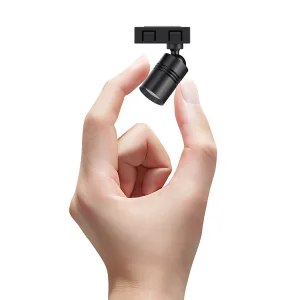
Engineered to withstand high UV indices, extreme thermal fluctuations, and corrosive desert-to-coast environments across Southern Africa.
Namibia is rapidly scaling its industrial footprint, driven by intensive uranium, diamond, and gold mining operations in regions such as Erongo and Karas, coupled with major infrastructure logistics expansions at the Port of Walvis Bay. As the nation pivots toward smart industrialization and urban modernization in metropolitan hubs like Windhoek, Swakopmund, and Rundu, the demand for high-reliability, energy-efficient lighting systems has soared. However, deploying lighting solutions in Namibia presents extreme challenges unlike almost any other territory in sub-Saharan Africa.
First, the climatic load in Namibia requires exceptional engineering tolerance. Coastal zones suffer from high salt-fog salinity, accelerating the electrochemical corrosion of standard metal lighting housings and driver connections. Conversely, the vast inland deserts and central plateau experience intense solar radiation (with UV indices reaching extreme levels), thermal shifts swinging from sub-zero night-time temperatures to daytime highs of 45°C, and severe sand and dust storms. These harsh conditions demand IP-rated optical modules, UV-stabilized diffusers, and non-degradable thermal substrates that standard consumer lighting components cannot provide.
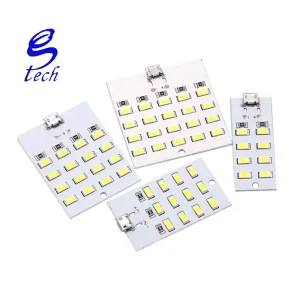
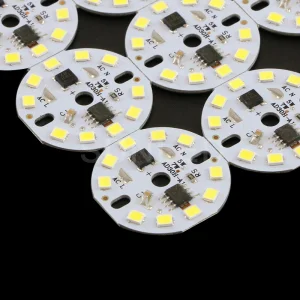
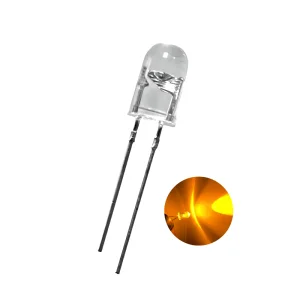
Furthermore, Namibia’s vast geographic scale necessitates rural electrification models leveraging off-grid solar-powered networks. Standard municipal street lighting and remote mining perimeter systems are increasingly shifting toward low-voltage DC-coupled microgrids. High-efficiency LEDs, driverless AC modules, and intelligent PCB assemblies are essential to minimize current draw, maximize lifespan, and eliminate the vulnerability of traditional electrolytic capacitor-based drivers, which frequently fail under desert thermal stresses.
How our advanced optoelectronic modules are optimized for harsh Southern African applications.
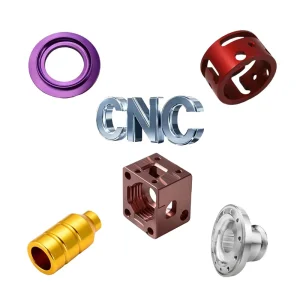
Designed for coastal ports like Walvis Bay. High-precision CNC parts utilize custom anodized aluminum and grade 316 stainless steel to prevent salt-fog oxidation.
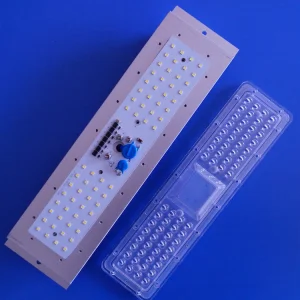
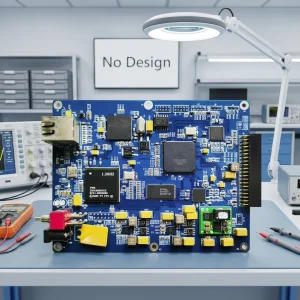
Substrates are printed on high-conductivity metal-clad PCBs (MCPCB), ensuring junction temperatures remain within safe limits even in ambient temperatures up to 50°C.
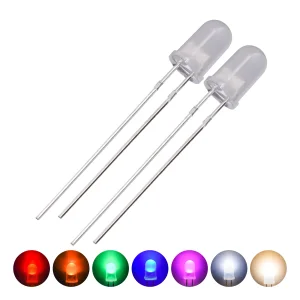
By utilizing premium solid-state LED chips and ruggedized circuitry, maintenance cycles in remote mining sites are reduced by up to 85% compared to HID fixtures.
To successfully integrate industrial lighting within the Namibian context, products must be configured according to specific vertical applications:
As the industrial world transitions from legacy discharge lighting to intelligent solid-state arrays, we track and lead the technology roadmap to secure a competitive advantage for our clients in Southern Africa:
Transitioning from FR4 boards to Metal-Clad PCBs (MCPCB) with high thermal conductivity (up to 3.0 W/m·K) to ensure rapid heat transfer away from the LED dies, crucial for high-temperature desert applications.
Eliminating the traditional electrolytic capacitor by deploying onboard solid-state driver circuitry. This prevents early component failure caused by voltage spikes and extreme ambient heat.
Integrating intelligent sensor platforms and microcontrollers directly onto the lighting board, enabling automatic adjustments based on environmental ambient light levels or motion detection, maximizing power savings.
High-precision manufactured products built to military and industrial endurance criteria.
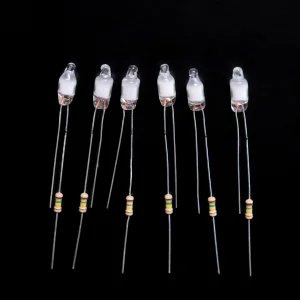
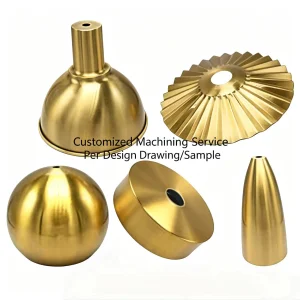
For Namibia and the wider Southern African Development Community (SADC) region, sourcing lighting components directly from a leading Chinese manufacturer offers strategic supply chain advantages. The Chinese optoelectronics ecosystem provides unmatched speed, quality control, and cost efficiencies:
Strategic supply components for engineering, procurement, and construction (EPC) contractors in Namibia.
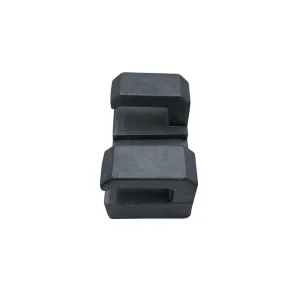
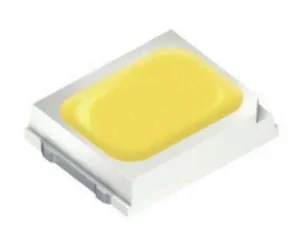
Deploying lighting hardware in Namibia requires adherence to South African Bureau of Standards (SABS) criteria and broader International Electrotechnical Commission (IEC) standards. We guarantee total regulatory compliance across all our components:
 Yihe Auto