The global automotive air conditioning (A/C) compressor market is undergoing an unprecedented structural transition. No longer treated as simple mechanical ancillary units driven directly by auxiliary belts, compressors have evolved into the core thermal heart of modern vehicles. As automotive manufacturers worldwide face rigorous targets to lower carbon footprints and minimize parasite energy draws, modern A/C compressors have shifted toward variable displacement technologies and high-voltage, hermetically sealed electrical architectures.
In terms of commercial volume, industrialized regions like North America, the European Union, and rapidly expanding manufacturing hubs across Asia-Pacific command the highest demands for precision-engineered compressors. Industrial applications span beyond personal transport, directly feeding into commercial transit, logistics networks, heavy duty mining equipment, and agricultural fleets. For procurement managers and global distributors, identifying a partner capable of delivering consistent volumetric efficiency, low NVH (Noise, Vibration, and Harshness) metrics, and robust mechanical longevity is essential to mitigating warranty liabilities and system failures.
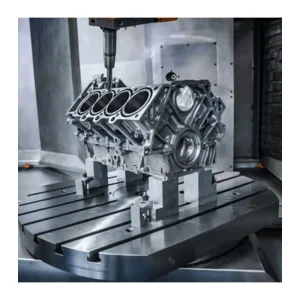
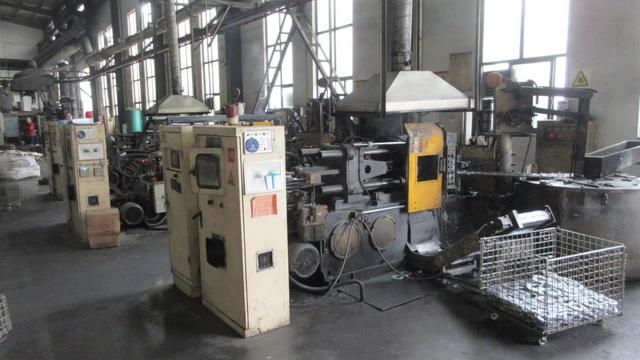
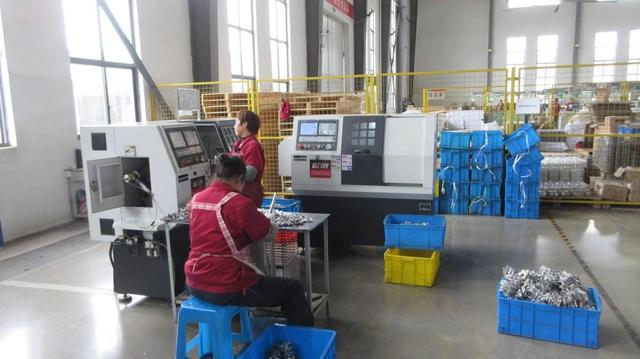
This evolution places immense pressure on raw materials sourcing. High-purity die-cast aluminum alloys, specialized rubber sealants compatible with aggressive synthetic lubricants, and complex scroll profiles require high-tolerance CNC machining. As a premier automotive OEM/ODM manufacturer, Guangzhou Yihe Auto Co., Ltd. continues to set benchmarks in the precision fabrication of critical vehicle aggregates, ensuring that our clients receive components engineered to survive extreme thermal stress cycles.
To achieve the desired Information Gain for engineering personnel, it is critical to break down the architectural classifications of modern compressors. Selecting the correct technical blueprint dictates the system’s overall Coefficient of Performance (COP) and longevity.
Primarily utilized in entry-level passenger vehicles and heavy duty utility trucks. They rely on constant stroke lengths of internal pistons, controlled by an electromagnetic clutch. Reliable and easy to maintain, but carry a larger energy penalty.
Adapts internal displacement dynamically (ranging from 1% to 100%) through an internal control valve that senses crankcase pressure differential. This layout removes the sudden load spikes of clutch cycling, saving significant fuel and reducing wear.
The standard for modern hybrids and Battery Electric Vehicles (BEVs). Powered by integrated 400V–800V inverters and BLDC motors, these run independently of engine RPMs, permitting remote precooling and sophisticated battery thermal management.
Furthermore, international environmental regulations—specifically the Kigali Amendment to the Montreal Protocol—have initiated a global shift away from high-GWP (Global Warming Potential) refrigerants like R-134a. Modern HVAC systems are predominantly engineered for low-GWP alternatives, notably R-1234yf and natural refrigerants like CO2 (R-744).
R-1234yf requires specialized Polyalkylene Glycol (PAG) oils with modified additive packages to prevent moisture absorption and chemical breakdown at elevated temperatures. CO2 (R-744) systems, on the other hand, operate at pressures up to ten times higher than conventional systems, necessitating heavy-wall casings, custom-engineered dynamic shaft seals, and robust internal pressure relief mechanisms.
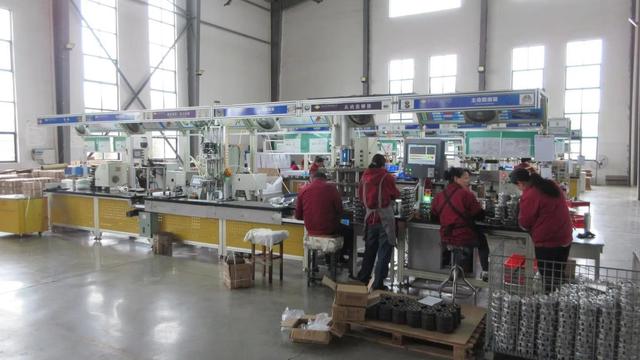
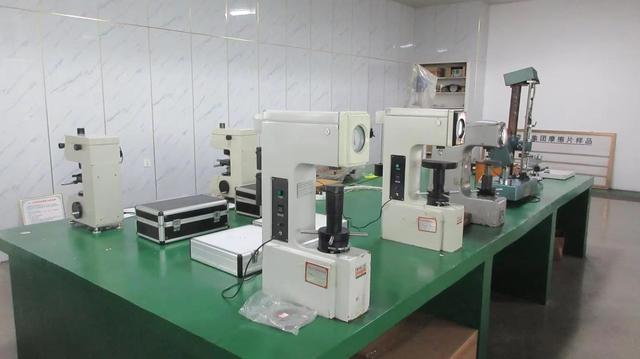
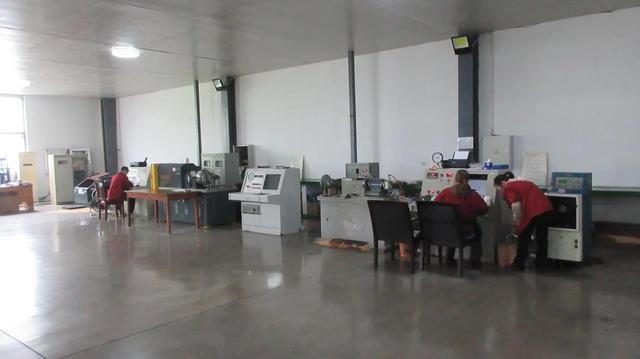
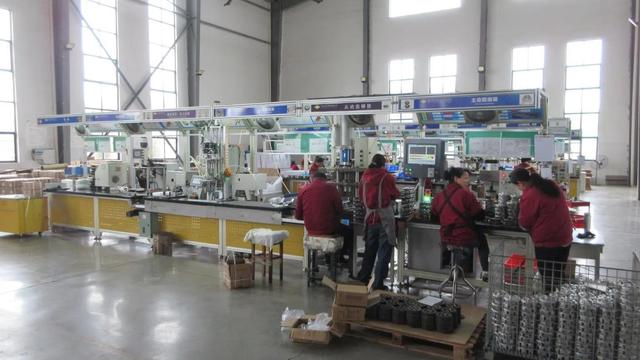
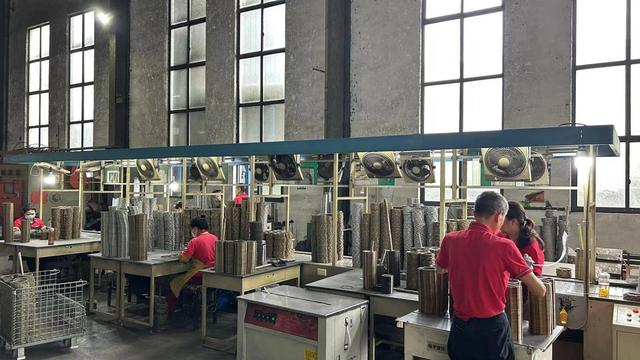
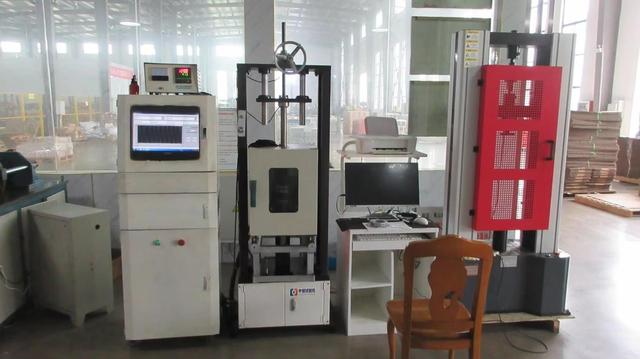
High-performance automotive manufacturing requires unwavering adherence to strict quality control frameworks. Guangzhou Yihe Auto Co., Ltd. leverages state-of-the-art facilities in Guangzhou to execute rigorous evaluations. Below are the key manufacturing benchmarks achieved through our persistent investment in technological innovation and quality control.
Our testing procedures include comprehensive NVH chambers to measure acoustic signatures under dynamic loads, ensuring quiet cabin environments for luxury vehicles and commercial cabins. Additionally, high-stress endurance testing simulating 150,000 kilometers of mixed driving conditions guarantees that the internal pistons, swash plates, and valve reeds remain free of stress-induced microfractures.
A/C Compressors do not work in isolation; their technical configurations must be customized based on distinct localized environments and commercial profiles.
Urban Logistics and Last-Mile Delivery: In local logistics fleets operating in tropical climates, compressors undergo continuous start-stop cycles. Here, variable displacement compressors with intelligent oil separators are crucial. The frequent idling of delivery trucks requires that the compressor maintain high volumetric efficiency even at low engine RPMs to prevent cargo and cabin overheating.
Heavy-Duty Mining and Construction: In highly abrasive environments, mechanical reliability is constantly threatened by dust, vibration, and debris. Standard passenger car grade compressors would fail rapidly under these conditions. Solutions involve heavy-duty cast iron mountings, reinforced magnetic clutches, and multi-lip shaft seal assemblies designed to block micro-fine particles from entering the internal lubricant loop.
EV Thermal Management Systems (TMS): For electric vehicles, the compressor plays a dual role: cabin climatization and direct liquid cooling of the high-voltage battery array. If the compressor fails, the vehicle's fast-charging capability is disabled to prevent thermal runaway. Thus, our electric scroll compressors feature redundant diagnostic controllers communicating directly via CAN bus or LIN bus to provide real-time status telemetry to the central vehicle computer.
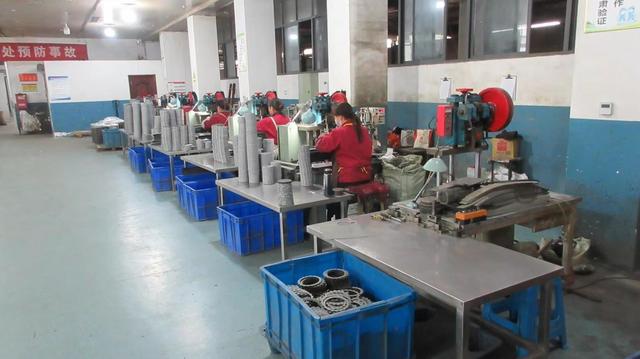
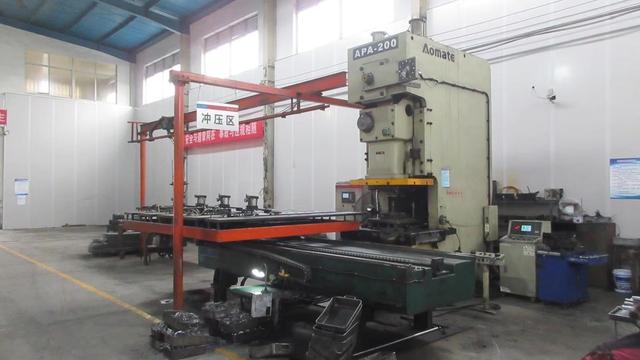
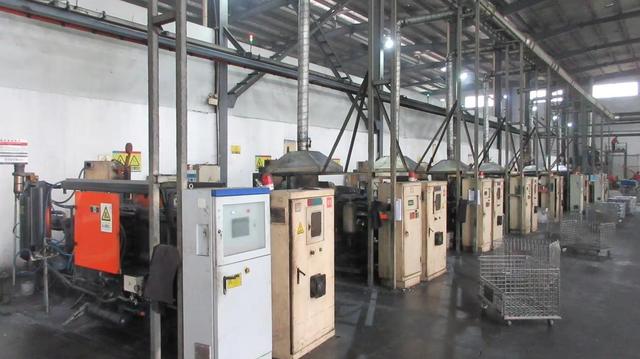
Located in the manufacturing hub of Guangzhou, China, Guangzhou Yihe Auto Co., Ltd. operates modern production facilities equipped with high-precision machining centers, automated assembly lines, and comprehensive quality assurance systems. Our capabilities extend from development to high-volume manufacturing, offering bespoke OEM and ODM solutions to clients in North America, Europe, Southeast Asia, the Middle East, South America, and Africa.
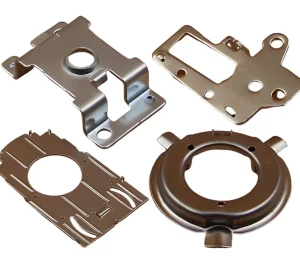
Our product portfolio spans across various essential automotive segments. In addition to A/C compressor components, we produce precision engine components, suspension and steering systems, heavy-duty truck components, and custom-engineered stamping parts. Our engineering department works hand-in-hand with clients, ensuring rapid prototyping (including advanced 3D mold printing) and smooth transitions into serialized mass production.
Addressing common engineering, operational, and procurement inquiries to assist system designers in specifying the proper compressor configurations.
 Yihe Auto